Quick Response (QR) codes have evolved far beyond their original role of directing users to a simple URL. Today’s advanced QR code generators offer dynamic content updates, detailed analytics, branded customization, security enhancements, and integrations with marketing platforms. Businesses now use QR codes for payments, event check-ins, app downloads, digital menus, and even augmented reality experiences. As technology advances, modern QR solutions have transformed these black-and-white squares into powerful interactive tools.
TLDR: Modern QR code generators do much more than link to websites. They enable dynamic content editing, advanced analytics, branded designs, secure transactions, and integrations with CRM and marketing tools. Businesses can use them for payments, events, digital menus, lead generation, and more. Choosing the right platform depends on features, scalability, and reporting capabilities.
Once viewed as a novelty, QR codes became mainstream during the rise of smartphones and contactless interactions. Their ease of use—scan and access—makes them incredibly versatile. However, the real innovation lies not in the code itself but in the generators powering them. Advanced platforms have redefined how organizations engage audiences through QR technology.
The Evolution Beyond Static URL Codes
Traditional QR codes are static. Once generated, the embedded information cannot be changed. If a business updates its website or marketing campaign, the original code becomes obsolete. Modern QR code generators address this limitation with dynamic QR codes.
Dynamic QR codes allow administrators to edit the destination content without changing the printed code. This means marketing materials, packaging, or signage can remain the same even if the target link changes. Additionally, dynamic codes provide valuable scan data such as:
- Number of scans
- Geographic location of users
- Device type
- Date and time of access
This transformation enables QR codes to function as measurable marketing tools rather than simple access points.
Advanced Features That Redefine QR Capabilities
Modern QR generators incorporate a wide array of features designed to expand use cases across industries.
1. Custom Branding and Design
Black-and-white squares are no longer the default. Advanced platforms permit full customization, including:
- Logo embedding
- Custom color palettes
- Unique frame designs
- Call-to-action text overlays
This level of personalization strengthens brand consistency and increases scan engagement. Studies have shown that visually branded QR codes tend to generate higher interaction rates compared to generic designs.

2. Multi-Function QR Codes
Some generators offer multi-URL or conditional redirection features. These codes redirect users based on specific conditions such as:
- User location
- Device operating system
- Time of day
- Language preference
For example, a global brand can use one QR code that directs users to different localized pages depending on their country. This reduces complexity while enhancing personalization.
3. Secure Payment Integration
QR code generators have become central to contactless payment systems. Advanced platforms integrate with payment gateways and digital wallets, facilitating secure transactions in retail, hospitality, and peer-to-peer environments.
Security layers such as encryption, tokenization, and password protection ensure sensitive information remains protected. Some generators even offer expiring QR codes for added transaction security.
4. Event Management and Ticketing
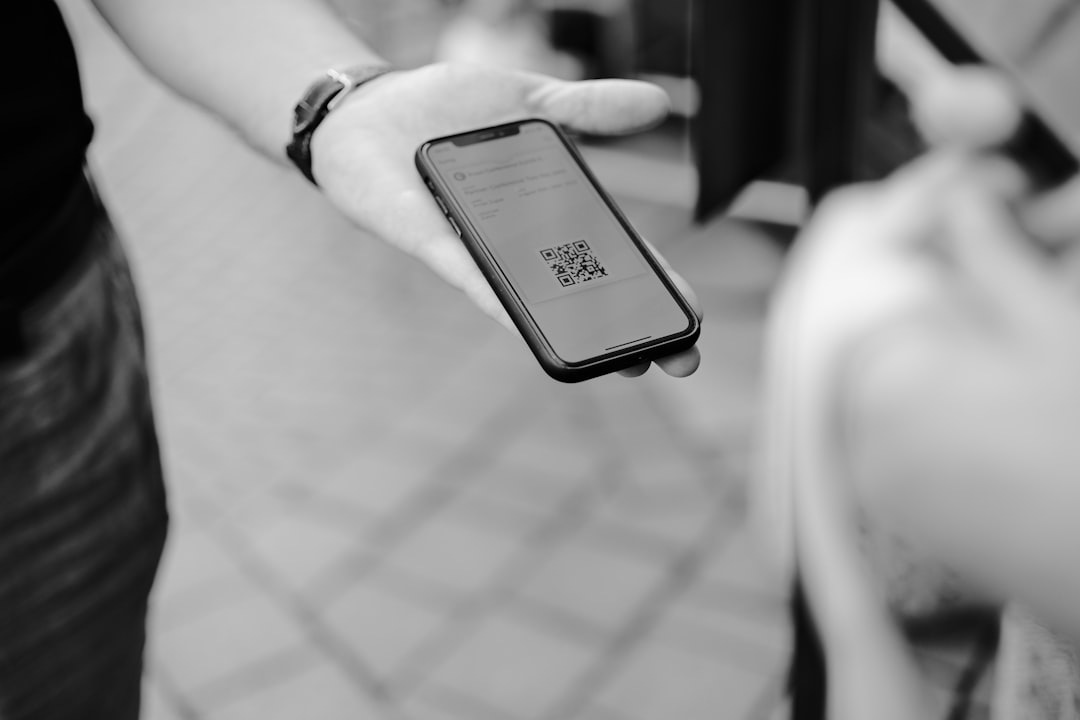
Event planners increasingly rely on QR codes for ticket distribution, registration, and check-ins. Advanced systems enable:
- Unique QR codes per attendee
- Real-time validation scanning
- Entry tracking analytics
- Fraud prevention measures
This technology improves crowd flow and provides organizers with valuable attendance metrics.
5. CRM and Marketing Automation Integration
One of the most powerful advancements is direct integration with CRM systems and marketing automation tools. When a user scans a QR code and submits information, the data can automatically sync with platforms such as HubSpot, Salesforce, or Mailchimp.
This enables:
- Automated follow-up emails
- Lead scoring
- Targeted remarketing campaigns
- Performance tracking at the campaign level
QR codes are no longer passive tools—they actively feed marketing ecosystems.
Leading QR Code Generators That Go Beyond URL Codes
Several platforms stand out for offering feature-rich QR code solutions.
1. Beaconstac
- Dynamic QR codes
- Advanced analytics dashboard
- CRM integrations
- Custom branding
- Enterprise-grade security
2. QR Code Generator Pro
- Multi-URL redirection
- Editable dynamic codes
- Scan tracking
- Design customization
3. Flowcode
- Highly visual custom designs
- Real-time analytics
- Event and product marketing tools
4. The QR Code Generator (by Bitly)
- Link management integration
- Data tracking
- Brand-consistent codes
- Scalable business solutions
Comparison Chart of Advanced QR Code Generators
| Feature | Beaconstac | QR Code Generator Pro | Flowcode | Bitly QR Generator |
|---|---|---|---|---|
| Dynamic Codes | Yes | Yes | Yes | Yes |
| Advanced Analytics | Yes | Yes | Real-time | Yes |
| CRM Integration | Extensive | Limited | Moderate | Via Bitly |
| Custom Branding | Full | Full | Highly Visual | Brand Focused |
| Payment Integration | Yes | No | Limited | No |
| Best For | Enterprises | SMBs | Marketing Campaigns | Link Management Users |
Emerging Use Cases in 2026
North of traditional marketing, QR code generators are entering new frontiers.
Augmented Reality Experiences
Brands are using QR codes to launch AR filters, 3D product previews, and immersive storytelling experiences. Customers scanning packaging can visualize products in their own space before purchasing.

Smart Packaging
Manufacturers embed dynamic QR codes on packaging to provide real-time updates, user manuals, sustainability details, and authenticity verification.
Healthcare Applications
Hospitals and clinics use QR codes for patient check-ins, prescription verification, and secure document sharing. Dynamic management ensures compliance and minimizes paperwork.
Key Considerations When Choosing a Generator
Organizations evaluating QR code platforms should consider:
- Scalability: Can it handle thousands of dynamic codes?
- Security: Does it offer encryption and compliance support?
- Analytics Depth: Are reports detailed and exportable?
- Integration Options: Does it connect with existing systems?
- Cost Structure: Is pricing subscription-based or per code?
Selecting the right platform requires evaluating both immediate campaign goals and long-term digital strategy.
The Future of QR Code Technology
As smartphone capabilities expand and IoT ecosystems grow, QR codes are likely to integrate even more seamlessly into everyday life. Artificial intelligence may personalize landing content automatically based on user behavior patterns. Blockchain integration could enhance authenticity verification for luxury goods and official documents.
The once simple square barcode has matured into a dynamic digital gateway. Businesses leveraging advanced QR code generators gain not only convenience but measurable, interactive engagement tools.
Frequently Asked Questions (FAQ)
- What is the difference between static and dynamic QR codes?
Static QR codes permanently store information and cannot be edited after creation. Dynamic QR codes allow content updates and provide analytics tracking without changing the physical code. - Are advanced QR code generators secure?
Most reputable platforms include encryption, password protection, access controls, and compliance features to ensure secure data handling. - Can QR codes accept payments?
Yes. Many generators integrate with digital wallets and payment gateways to facilitate secure, contactless transactions. - Do branded QR codes scan as reliably as standard ones?
When designed correctly within recommended contrast and sizing guidelines, branded QR codes scan just as effectively as traditional black-and-white versions. - What industries benefit most from advanced QR generators?
Retail, events, healthcare, hospitality, education, manufacturing, and marketing agencies all benefit from dynamic QR functionalities. - Are analytics provided in real time?
Many advanced platforms offer real-time or near-real-time scan reporting dashboards. - Is there a limit to how many QR codes a business can create?
Limits depend on the subscription plan and provider. Enterprise solutions typically support large-scale deployments.

I’m Sophia, a front-end developer with a passion for JavaScript frameworks. I enjoy sharing tips and tricks for modern web development.