Property maintenance has evolved far beyond spreadsheets, sticky notes, and late-night emergency phone calls. In today’s fast-paced rental and property management environment, landlords, property managers, and maintenance teams rely on digital platforms to organize, assign, and track repair requests efficiently. Apps like Property Meld have become essential tools, helping property professionals streamline communication, reduce delays, and deliver better experiences to tenants. As technology continues to reshape real estate operations, understanding how these platforms work—and what features matter most—can help you choose the right solution for your portfolio.
TLDR: Property maintenance apps like Property Meld simplify repair tracking, automate communication, and improve accountability between tenants, managers, and vendors. They centralize work orders, provide real-time updates, and reduce costly delays. Key features include automated workflows, vendor coordination, reporting tools, and tenant portals. Choosing the right platform can significantly increase operational efficiency and tenant satisfaction.
Why Property Maintenance Tracking Matters
Maintenance is one of the most time-consuming and expensive aspects of property management. Whether managing a handful of units or thousands of doors across multiple regions, staying on top of repairs requires consistent communication and clear documentation.
Without a structured system, common issues arise:
- Lost or forgotten maintenance requests
- Slow vendor response times
- Incomplete repair documentation
- Tenant frustration due to lack of updates
- Difficulty tracking recurring issues
Property maintenance platforms eliminate these pain points by providing a centralized, transparent workflow that keeps everyone aligned.
How Apps Like Property Meld Work
At their core, maintenance tracking apps function as communication and workflow hubs. They connect three primary groups:
- Tenants who submit repair requests
- Property managers who oversee approvals and budgets
- Vendors or maintenance teams who complete the work
The process typically follows these steps:
- Tenant submits a repair request through a portal or app.
- The system automatically categorizes and prioritizes the request.
- A vendor is assigned based on availability or specialty.
- Updates are tracked in real time.
- Completion photos and notes are logged for records.
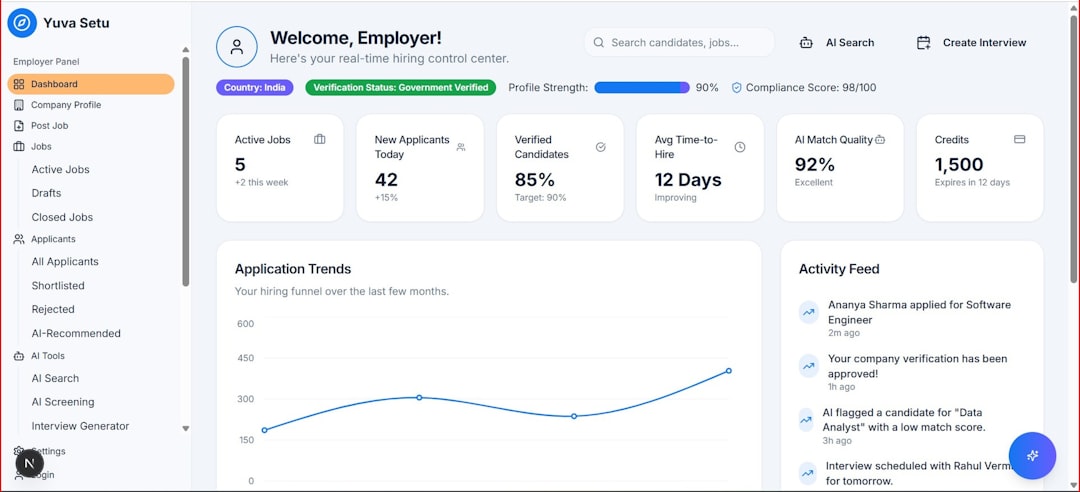
This structured workflow ensures that no request is overlooked and that every repair has a digital paper trail.
Key Features to Look For
While many platforms offer similar core functionality, the best property maintenance apps distinguish themselves through advanced features that improve efficiency and accountability.
1. Automated Communication
Communication breakdowns are one of the biggest causes of maintenance delays. Modern apps send:
- Automatic confirmation messages to tenants
- Scheduling reminders to vendors
- Status updates at every stage of the job
This reduces inbound calls and emails, freeing up property managers to focus on higher-level tasks.
2. Real-Time Work Order Tracking
Instead of wondering whether a repair is scheduled or completed, managers can track each work order from submission to closure. Real-time dashboards provide visibility into:
- Open versus completed requests
- Average completion times
- Overdue jobs
- Vendor performance metrics
3. Vendor Management Tools
Coordinating multiple vendors can be chaotic. Maintenance apps often include:
- Vendor performance ratings
- Automated job assignments
- Insurance document tracking
- Integrated invoicing
This helps ensure that only qualified vendors are dispatched and that billing remains consistent and transparent.
4. Tenant Self-Service Portals
Tenants increasingly expect digital convenience. Self-service portals allow them to:
- Submit repair requests 24/7
- Upload photos or videos
- Select preferred appointment times
- Track repair progress
Providing this level of visibility significantly boosts tenant satisfaction.
The Operational Benefits
Adopting a platform like Property Meld goes far beyond convenience. It produces measurable operational improvements.

Faster Response Times
Automated job routing means requests are assigned immediately instead of waiting for manual review. Faster response times reduce tenant complaints and prevent minor issues from escalating into expensive repairs.
Data-Driven Decision Making
With performance dashboards and analytics, property managers can identify trends such as:
- Frequently failing appliances
- Properties with recurring plumbing issues
- Vendors who consistently underperform
This data supports smarter budgeting and preventative maintenance strategies.
Improved Accountability
Every action—assignment, update, completion—is logged in the system. This documentation protects property managers in disputes and ensures vendors meet agreed service standards.
Scalability
As portfolios grow, manual systems break down. Maintenance apps provide structured processes that scale seamlessly from dozens to thousands of units without increasing administrative workload proportionally.
Comparing Property Meld to Similar Platforms
While Property Meld is a well-known solution, the market includes several comparable maintenance tracking platforms. When evaluating alternatives, consider these criteria:
- Ease of use – Is the interface intuitive for tenants and vendors?
- Customization – Can workflows be tailored to your processes?
- Integration – Does it sync with your accounting or property management software?
- Mobile accessibility – Can all parties operate from smartphones?
- Reporting depth – Are analytics detailed enough for strategic planning?
Some platforms emphasize automation and performance metrics, while others focus heavily on tenant experience. The right choice depends on operational priorities and portfolio complexity.
Challenges to Consider
Although these apps offer powerful advantages, implementation requires thoughtful planning.
Onboarding and Training
Staff and vendors must be trained to use the system consistently. Without proper onboarding, adoption rates may be low, reducing potential benefits.
Vendor Resistance
Some contractors may prefer traditional communication methods. Clear expectations and training sessions can help ease the transition.
Initial Setup Costs
Subscription fees vary depending on unit count and features. However, most property managers find that improved efficiency offsets the expense over time.
Best Practices for Maximizing Value
To get the most from a maintenance tracking app, follow these best practices:
- Standardize categories for common repair types.
- Define clear response-time goals.
- Regularly review performance reports.
- Encourage tenants to include photos.
- Evaluate vendor metrics quarterly.
By actively using the platform’s analytics instead of treating it as a simple ticket system, managers unlock its full strategic value.
The Role of Automation and AI
The next generation of property maintenance apps is incorporating artificial intelligence and predictive analytics.
Smart systems may soon be able to:
- Predict equipment failures before they happen
- Automatically prioritize emergency repairs
- Optimize vendor scheduling based on traffic and workload
- Analyze tenant communication sentiment
This shift moves maintenance management from reactive problem-solving to proactive asset preservation.
Impact on Tenant Retention
Maintenance quality is one of the top factors influencing lease renewals. Tenants who experience fast, transparent, and hassle-free repairs are significantly more likely to renew their leases.
A reliable digital maintenance process demonstrates professionalism and care. When tenants feel heard and informed, trust increases. In competitive rental markets, that trust becomes a powerful differentiator.
Who Benefits Most?
While any property professional can benefit from maintenance tracking software, it is particularly valuable for:
- Mid-sized property management firms scaling operations
- Institutional investors requiring performance reporting
- Build-to-rent communities managing high service expectations
- Maintenance-heavy portfolios with aging infrastructure
Even independent landlords with smaller portfolios increasingly recognize the efficiency gains these tools provide.
The Future of Property Maintenance Management
As digital transformation continues, maintenance apps are no longer optional add-ons—they are becoming central operating systems for property performance. Integration with smart home devices, automated procurement systems, and tenant engagement platforms will further streamline operations.
The real value of platforms like Property Meld lies not just in tracking repairs but in transforming maintenance into a measurable, strategic function. By improving transparency, communication, and accountability, these tools elevate both operational efficiency and tenant satisfaction.
In an industry where reputation, responsiveness, and reliability matter deeply, embracing a modern maintenance tracking solution can be the difference between constant fire-fighting and confidently managed growth.

I’m Sophia, a front-end developer with a passion for JavaScript frameworks. I enjoy sharing tips and tricks for modern web development.