
Use hotel APIs when you need licensed, stable access to supplier or partner data; use travel data scraping when public pricing, ranking, availability, or competitor movement is not available through an API. For serious price intelligence, the best setup is often a mix: official APIs for clean inventory data, monitored scraping for public market signals, and a dedicated pricing workflow that checks data quality before anyone changes rates.
TLDR: Hotel APIs are cleaner and safer, but they rarely show the full market picture. Travel data scraping can capture OTA prices, parity issues, discounts, and competitor visibility, but it needs compliance controls and strong validation. For example, a 120-room hotel tracking 18 competitors across 6 OTAs may find that 22% of displayed rates differ from its expected parity rules on weekends. A price intelligence system turns that raw data into alerts, rate recommendations, and revenue reports.
Hotel APIs vs travel data scraping: the practical difference
A hotel API is a formal connection that sends structured data between systems. It may come from a channel manager, PMS, CRS, bed bank, OTA, metasearch platform, or travel wholesaler. The data is usually documented. Access is approved. Usage limits are clear.
Travel data scraping collects publicly visible data from websites such as OTAs, hotel brand sites, metasearch pages, and review platforms. It is often used when the needed data is not offered through an API, or when the API only provides a narrow slice of the market.
The catch is that hotel pricing is messy. A rate can change by device, market, loyalty status, occupancy, cancellation policy, meal plan, and tax display. One OTA may show a “cheaper” rate only because it hides fees until checkout. Another may bundle breakfast. A third may apply a mobile discount. If your system treats all three as equal, your pricing team will make bad calls.

Where hotel APIs work best
APIs are usually the right choice when reliability matters more than market coverage. They are common in operational systems where weak data can cause real damage.
- Inventory distribution: sending room availability to OTAs and wholesalers.
- Booking retrieval: pulling reservations into a PMS or CRM.
- Room and rate mapping: connecting room types, meal plans, and policies across systems.
- Direct partner access: receiving net rates, allotments, and restrictions from contracted suppliers.
- Metasearch bidding: sending rates and availability to Google Hotel Ads, Tripadvisor, or similar platforms.
APIs give teams a clear audit trail. They also reduce technical guesswork. If an API says a room is unavailable, there is usually a defined reason. If a scraped page changes layout at 2 a.m., your collector may fail until someone fixes it.
Still, APIs have limits. Access may be expensive. Approval can take weeks. Some providers restrict how data may be stored or reused. Others return only your own rates, not competitor rates. Honestly, it feels like many travel APIs were built for transactions first and analysis second.
Where travel data scraping adds value
Scraping becomes useful when the question is about what customers actually see. Revenue managers care about that view because it shapes booking behavior.
Useful scraped data includes:
- Competitor room prices by date, occupancy, and cancellation rule.
- Rate parity gaps between direct, OTA, mobile, logged-out, and package views.
- Availability signals showing when rival hotels sell out or restrict stays.
- Ranking positions on OTA search results for selected destinations.
- Review scores and volume tied to pricing power.
- Promotion tracking for member deals, coupons, flash sales, and opaque discounts.
This is where price intelligence gets stronger. A hotel may know its own ADR, occupancy, and pickup. That is internal truth. But it also needs external truth: who is cheaper, who is sold out, who is discounting, and where the hotel appears in search results.
Expect to waste time on false comparisons unless the collection method is strict. A refundable king room should not be compared with a prepaid twin room. A tax-inclusive rate should not be compared with a tax-exclusive rate. A mobile-only offer should be tagged, not mixed into the main benchmark.
Price intelligence is not just data collection
Raw hotel data has low value until it becomes a decision. A proper price intelligence system should clean, classify, compare, and explain the numbers.
Strong systems usually include:
- Rate normalization: aligning currency, taxes, fees, room type, meals, and cancellation policy.
- Competitor set management: tracking only hotels that share real demand with the property.
- Data freshness checks: marking rates by collection time and source reliability.
- Anomaly detection: catching outliers such as impossible prices or broken pages.
- Parity alerts: flagging when an OTA undercuts direct rates.
- Recommendation rules: suggesting rate moves based on demand, pickup, and competitor behavior.
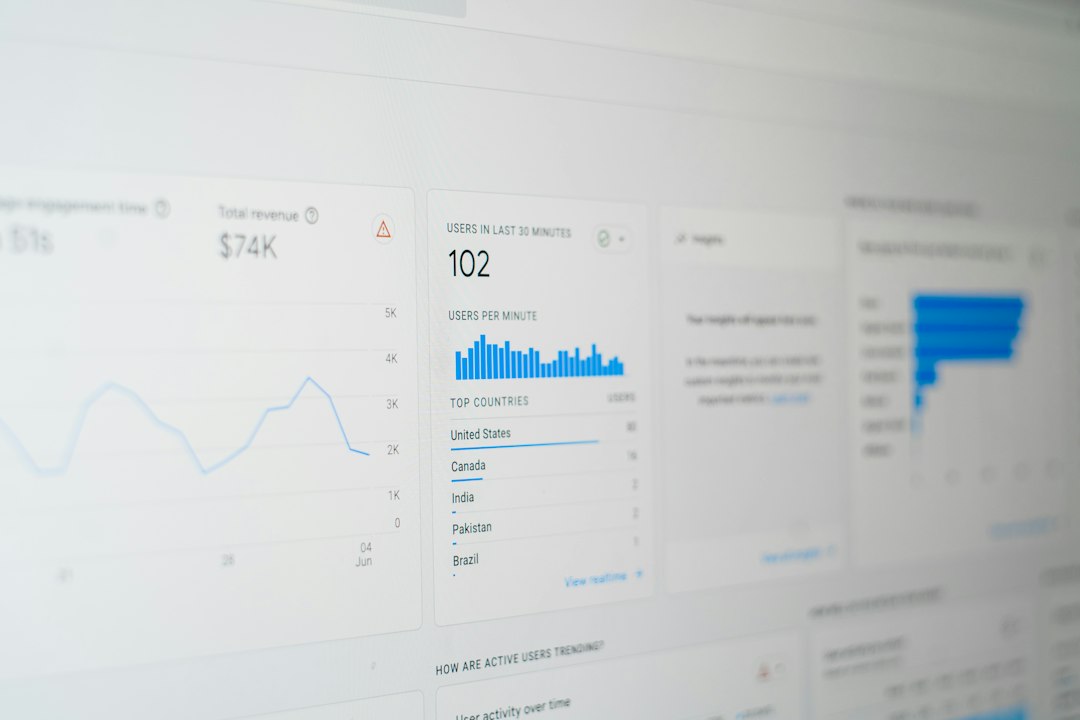
A simple example helps. Suppose a city hotel tracks Friday and Saturday arrivals for the next 60 days. Its system sees that three close competitors raised rates by 12% after a conference announcement. The hotel’s own pickup is 18 rooms above the same day last year. A useful tool does not just show a chart. It alerts the revenue manager, explains the demand signal, and suggests reviewing the BAR for those dates.
Risks, compliance, and data quality
Hotel data scraping must be handled carefully. Public visibility does not automatically mean unrestricted use. Websites have terms of service, technical controls, copyright concerns, and privacy rules. Serious teams review legal, contractual, and ethical requirements before collecting anything at scale.
Good practice includes:
- Collect only what is needed for a defined business purpose.
- Avoid personal data unless there is a clear legal basis.
- Respect source limits and avoid disruptive request patterns.
- Keep source records for audits and dispute resolution.
- Use licensed APIs when contracts require them.
Data quality is the other serious risk. Bad hotel data looks convincing because it arrives in neat tables. That is the worst part. A dashboard showing wrong competitor prices can push a hotel into underpricing high-demand nights or holding rates too high during soft periods.
Alternatives to building your own scraper
Not every hotel, OTA, or travel startup should build scraping infrastructure. There are solid alternatives, and many are easier to defend internally.
- Rate shopping tools: These monitor competitor prices and parity across OTAs. They are common for hotels and chains that need daily pricing checks without maintaining collectors.
- Revenue management systems: RMS platforms combine internal pickup, restrictions, forecasts, and market data to recommend prices.
- Channel manager reports: These show distribution performance, availability, and sometimes parity issues across connected channels.
- OTA partner dashboards: These provide visibility into ranking, conversion, demand, and promotional performance, though usually inside one platform only.
- Metasearch reporting: Google Hotel Ads and similar tools can reveal impression share, click prices, competitiveness, and direct booking gaps.
- Licensed travel datasets: Data vendors may sell structured market feeds with fewer operational headaches.
- PMS and CRS analytics: Internal booking and cancellation patterns remain essential. External data should support them, not replace them.

How to choose the right approach
The right choice depends on the business case. A travel app that needs bookable inventory should start with APIs. A hotel group checking parity across OTAs may need scraping or a rate shopping provider. A revenue team managing hundreds of properties should consider a full price intelligence platform with both internal and external data.
Use these questions before investing:
- What decision will this data support? If no one will act on it, do not collect it.
- How fresh must it be? Hourly pricing checks cost more than daily checks.
- Can an API provide the same data? If yes, that may reduce risk.
- How will rates be matched? Room type, taxes, fees, and policies must be aligned.
- Who owns compliance review? Legal and commercial teams should be involved early.
- How will errors be detected? Alerts, samples, and manual checks are not optional.
Final view
Hotel APIs, travel data scraping, and price intelligence tools solve different problems. APIs are best for approved, structured, operational data. Scraping is best for public market signals that APIs do not expose. Price intelligence connects both worlds and turns them into pricing action.
The safest strategy is not to collect everything. It is to collect the right data, from the right source, at the right frequency, with clear controls. That gives hotels, OTAs, and travel companies a sharper view of demand and competition without turning data collection into a costly distraction.

I’m Sophia, a front-end developer with a passion for JavaScript frameworks. I enjoy sharing tips and tricks for modern web development.
