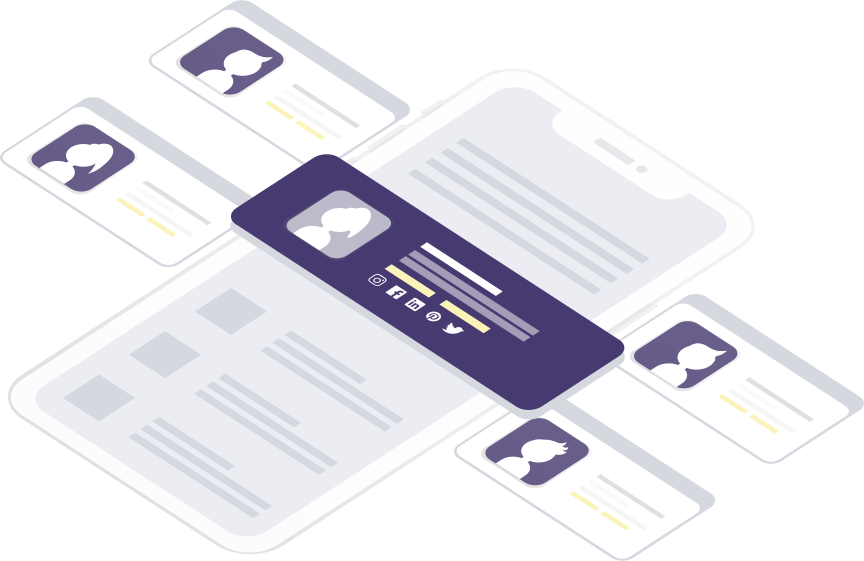
In publishing, small details often shape a reader’s next move. When someone finishes an article and reaches the author box, they make a quick judgment about the person behind the piece and, by extension, the site itself. That brief pause can lead to a follow, a click, or a bounce. A well-designed author box helps turn casual readers into engaged followers. A weak one fades into the background. In this guide, you’ll find 11 high-converting author box designs and the exact settings you can copy in Simple Author Box Pro.
Why Author Box Design Directly Affects Reader Trust
Many publishers still treat the author box like a minor design element. In practice, it does much more than fill space at the end of a post. The broader discussion around author box implementation in WordPress points to a clear takeaway: the way an author profile is presented has a real impact on how credible the content feels.
Details such as avatar size, bio length, social icon placement, and background contrast all send signals. If the box looks cluttered, outdated, or off-balance, it can quietly weaken the authority of the article above it. If it looks polished and intentional, it strengthens trust and gives readers a reason to stay engaged.

The 11 Designs and Their Settings
- The Minimalist Strip
A single-line layout with a small circular avatar, the author name in bold, and one social icon. Set avatar size to 48px, disable the bio field, and limit social icons to one. This works especially well for news-style sites.
- The Authority Card
Use a large avatar at 96px, full bio text, and three to five social profile links. Turn on the border shadow option and choose a light neutral background color. This layout feels credible and established, which makes it a strong fit for editorial sites and niche authority blogs.
- The Social-First Box
Keep the bio short, ideally one sentence, but make the social icons stand out in a row with color fills. Enable icon color fill in the settings panel and raise icon size to 28px. This is a smart choice when audience building matters as much as article consumption.
- The Dark Mode Box
Set the background to a deep charcoal or navy, use white text, and add a subtle border radius. This style fits naturally on tech, SaaS, and developer-focused blogs where darker interfaces already feel at home.
- The Gradient Background
Add a CSS gradient in the custom background field. Pair it with white text and a medium avatar size. The result is visually distinct, but still restrained enough to avoid pulling attention away from the content.
- The Centered Layout
Center the avatar above the author name and bio, then place the social icons beneath. In the layout settings, set alignment to center. This format tends to work well for lifestyle blogs, creator sites, and personal brands because it feels approachable and polished.
- The Two-Column Card
Place the avatar on the left in a fixed column, then keep the bio and social links on the right. This remains one of the most reliable high-trust layouts for content-heavy publishers. With over 30 built-in social profile fields and a fully responsive layout, Simple Author Box gives content creators a tested, community-vetted starting point before upgrading to the Pro feature set for deeper customization.
- The Compact Mobile-First Box
Build this one for smaller screens first. Set the avatar to 56px, cap the bio at 100 characters, and use icon-only social links. It helps reduce scroll friction and keeps the end of the article clean on mobile devices.
- The Multi-Author Team Box
If your site publishes work from rotating contributors, show the author role directly under the name. Enable the “author role” field in Simple Author Box Pro and style it in a muted secondary color. This small detail adds clarity and makes team-based publishing feel more organized.
- The CTA-Integrated Box
Use a short bio followed by a call-to-action button that links to a newsletter, portfolio, or other destination. Add the button through the custom HTML field. This design works best when the CTA feels relevant to the article and not overly promotional.
- The Verified Expert Box
Add a credential line below the author name, such as “10 years in digital publishing.” Enable the custom tagline field and style it in italic. Implementing author boxes in line with E-E-A-T principles is now widely recognized as a smart move for publishers who want to show real expertise and build trust with both readers and search engines.

Design Principles That Apply Across Niches
These 11 designs have a few fundamentals in common:
- Contrast matters. Text should stay easy to read against the background color in every state.
- Avatar quality is non-negotiable. A blurry or low-resolution headshot weakens the whole presentation.
- Social icons should be selective. Three or four relevant platforms usually perform better than a long row of profiles nobody clicks.
- Bio length should match the site’s tone. Editorial sites often benefit from fuller bios, while faster-paced blogs usually work better with shorter ones.
The same principles show up well beyond publishing. In the Dutch online entertainment market, for instance, platform design has a major influence on how users judge credibility. Dutch players comparing casino options often rely on resources like casinojager.com to assess platform quality before they commit. Consistent design and clear presentation help build trust there too, just as they do in content publishing.
Putting the Settings to Work
Copying a design is a good start, but it is only part of the process. The real goal is to choose a style that feels consistent with the rest of your site. A dark mode author box on a bright, minimal website can feel out of place. A centered lifestyle layout on a technical documentation site can feel just as awkward.
It is worth testing these designs with actual reader behavior in mind. Watch scroll depth, social link clicks, and on-page engagement to see which layouts people respond to. The best author box is not simply the prettiest one. It is the one that readers notice, trust, and act on for the right reasons.