In an environment where financial decisions must be made quickly and defended with evidence, organizations cannot rely on static spreadsheets or delayed reporting cycles. Modern financial analysis platforms have evolved into dynamic ecosystems that combine real-time reporting, integrated data pipelines, and advanced visualization capabilities. These tools not only centralize financial data but also empower finance teams to interpret trends, forecast performance, and communicate insights clearly to stakeholders. Selecting the right platform is a strategic decision that directly influences planning accuracy, operational transparency, and long-term profitability.
TLDR: Real-time financial analysis platforms are essential for modern organizations that require speed, accuracy, and visual clarity. Workday Adaptive Planning, Microsoft Power BI, and Oracle NetSuite Analytics Warehouse stand out for their data integration, visualization capabilities, and enterprise-grade reporting. Each platform serves slightly different needs depending on company size, complexity, and infrastructure. Choosing the right one depends on integration requirements, scalability, and financial planning depth.
Below is a closer look at three leading financial analysis platforms that consistently deliver reliable real-time reporting and sophisticated data visualization capabilities.
1. Workday Adaptive Planning
Workday Adaptive Planning is widely recognized for its strong emphasis on financial planning, budgeting, and forecasting. Designed for finance-first organizations, it combines modeling flexibility with structured governance, making it especially appealing to mid-sized and enterprise companies seeking scalability and control.
Image not found in postmetaKey Strengths
- Real-Time Data Consolidation: Integrates with ERP, CRM, and HR systems to automatically update forecasts and reports.
- Driver-Based Modeling: Enables scenario planning and what-if analysis with structured financial models.
- Interactive Dashboards: Highly visual management dashboards with drill-down capabilities.
- Cloud-Based Collaboration: Teams can simultaneously review, comment on, and update financial plans.
What sets Workday Adaptive Planning apart is its ability to merge intuitive spreadsheet-style interfaces with enterprise-level governance. Finance teams maintain familiar modeling flexibility while gaining audit trails, version control, and automated consolidation. This reduces manual errors and improves reporting timelines.
The platform excels in structured reporting cycles such as monthly close, rolling forecasts, and board reporting. Visualizations are embedded directly into reports, allowing executives to move from high-level KPIs to granular transaction details within seconds.
Best suited for: Organizations prioritizing structured financial planning, scenario modeling, and executive-level financial reporting.
2. Microsoft Power BI
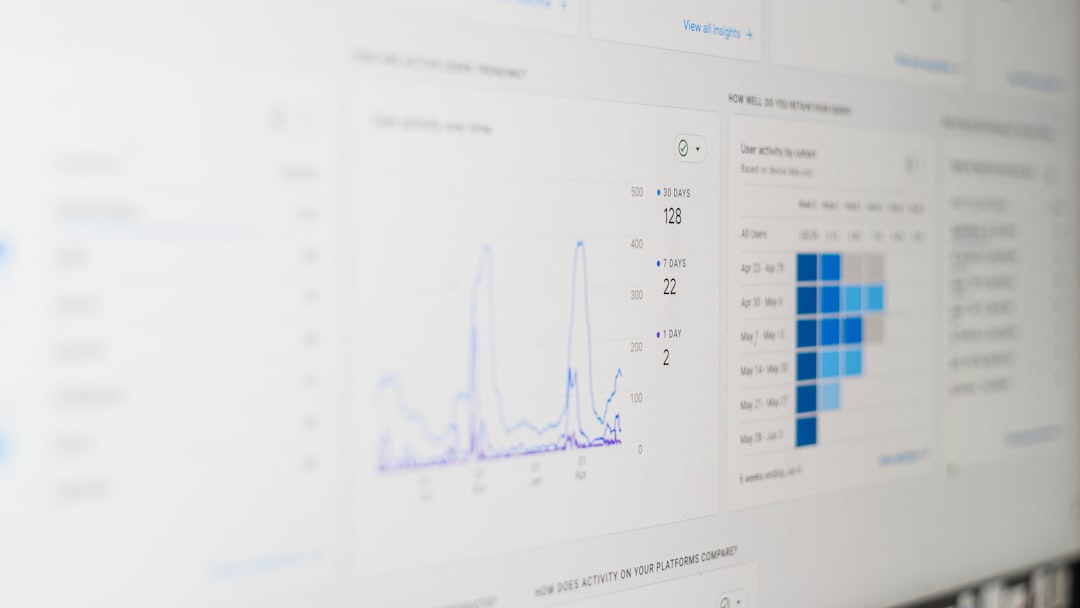
Microsoft Power BI has become one of the most widely adopted business intelligence platforms globally. While not exclusively a financial tool, its powerful data integration and visualization strengths make it highly effective for financial analysis when implemented correctly.
Key Strengths
- Real-Time Data Streaming: Supports live connections and streaming datasets for up-to-the-minute financial dashboards.
- Advanced Visualization: Offers highly customizable charts, financial KPIs, and interactive drill-through reports.
- Broad Integration: Connects with hundreds of data sources including Excel, Azure, SQL databases, and third-party ERPs.
- AI-Driven Insights: Built-in predictive analytics and anomaly detection tools.
Power BI’s primary advantage lies in its flexibility. Finance departments can consolidate data from multiple subsidiaries, business units, or geographic regions into a centralized reporting view. Custom DAX formulas enable complex financial calculations including variance analysis, contribution margins, and rolling averages.
The platform supports real-time dashboards that refresh automatically as new transactions are processed. For CFOs and finance leaders, this enables immediate visibility into cash flow status, revenue fluctuations, or expense deviations.
Additionally, Power BI is particularly attractive to organizations already invested in the Microsoft ecosystem. Integration with Excel, Teams, and Azure enhances accessibility, collaboration, and governance without introducing significant system friction.
Best suited for: Organizations seeking strong visualization, flexible analytics, and scalable reporting across large data sources.
3. Oracle NetSuite Analytics Warehouse
Oracle NetSuite Analytics Warehouse is purpose-built for companies operating within the NetSuite ERP ecosystem. It provides a unified data warehouse layer alongside advanced visualization and KPI tracking tailored specifically to financial and operational data.

Key Strengths
- Prebuilt Financial Data Models: Designed specifically for NetSuite financial structures.
- Automated Data Pipelines: Continuous data synchronization reduces manual reporting tasks.
- Comprehensive KPI Libraries: Includes preconfigured metrics for finance, procurement, and revenue operations.
- Enterprise-Grade Security: Strong access controls and data governance capabilities.
The key advantage of Oracle NetSuite Analytics Warehouse is its reduced implementation complexity for NetSuite users. Rather than building integrations from scratch, organizations benefit from standardized financial schemas and predefined reporting templates.
Real-time dashboards allow finance teams to closely monitor accounts receivable aging, inventory valuation, profitability by segment, and EBITDA trends. Interactive drill-down functionality ensures that anomalies can be investigated immediately.
The platform is particularly effective for high-growth companies managing multi-entity structures. Consolidated financial reporting across regions becomes significantly more streamlined when paired directly with the ERP source of truth.
Best suited for: NetSuite-based organizations that require streamlined analytics layered directly onto operational data.
Comparison Chart
| Feature | Workday Adaptive Planning | Microsoft Power BI | Oracle NetSuite Analytics |
|---|---|---|---|
| Primary Focus | Financial planning and forecasting | Business intelligence and visualization | ERP-integrated financial analytics |
| Real-Time Reporting | Live ERP integrations | Streaming and live connections | Automated NetSuite synchronization |
| Visualization Capability | Executive dashboards with drill-down | Highly customizable interactive visuals | Prebuilt KPI dashboards |
| Scenario Modeling | Advanced driver-based modeling | Custom modeling via DAX | Limited compared to Workday |
| Ideal Organization Size | Mid-size to enterprise | SMB to enterprise | Mid-size to enterprise using NetSuite |
| Implementation Complexity | Moderate to high | Variable depending on scope | Lower for NetSuite users |
How to Choose the Right Platform
Selecting a financial analysis platform should begin with a structured assessment of organizational priorities. The following considerations are particularly important:
- Integration Requirements: Does the tool seamlessly connect with your existing ERP and accounting systems?
- Reporting Depth: Are advanced forecasting and multi-scenario modeling necessary?
- Visualization Needs: Will executives rely heavily on dashboards for decision-making?
- Scalability: Can the system handle multi-entity growth or international expansion?
- Governance and Security: Is there a clear audit trail and role-based access control?
Organizations focused primarily on strategic financial modeling may gravitate toward Workday Adaptive Planning. Those seeking flexibility and extensive custom reporting typically favor Microsoft Power BI. Companies deeply invested in NetSuite often benefit most from Oracle NetSuite Analytics Warehouse due to seamless integration and simplified oversight.
Final Thoughts
Real-time reporting is no longer a competitive advantage; it is a baseline requirement for responsible financial governance. The ability to visualize complex financial information clearly and immediately can significantly influence investment strategy, risk management, and operational efficiency.
Workday Adaptive Planning, Microsoft Power BI, and Oracle NetSuite Analytics Warehouse each deliver dependable real-time capabilities combined with meaningful data visualization. The correct choice ultimately depends on organizational infrastructure, reporting complexity, and financial maturity.
By aligning technology investment with clear analytical objectives, finance teams can transition from retrospective reporting to proactive strategy—supported by accurate data, updated in real time, and presented with clarity.

I’m Sophia, a front-end developer with a passion for JavaScript frameworks. I enjoy sharing tips and tricks for modern web development.