Autonomous AI agents are rapidly moving from experimental prototypes to practical business tools. Instead of prompting a language model step by step, you can now design systems where multiple agents collaborate, use tools, make decisions, and iterate toward a goal with minimal human supervision. Frameworks like CrewAI have popularized this approach, but they are far from the only option. If you’re looking to build scalable, reliable, and autonomous workflows, there are several powerful frameworks worth exploring.
TLDR: AI agent frameworks like CrewAI make it possible to build autonomous workflows where multiple agents collaborate, use tools, and complete complex tasks. Alternatives such as AutoGen, LangGraph, Semantic Kernel, OpenAI Assistants API, and SuperAGI offer different strengths in orchestration, memory, control, and scalability. Choosing the right framework depends on your use case, level of desired autonomy, and infrastructure needs. The tools below can help you design systems that plan, execute, and adapt with minimal human intervention.
In this article, we’ll explore five AI agent frameworks similar to CrewAI, break down how they work, and compare their strengths so you can choose the best fit for your next autonomous system.
What Makes an AI Agent Framework Powerful?
Before diving into specific tools, it’s useful to understand what separates a simple chatbot from a true agentic system. The most effective frameworks share several important capabilities:
- Task decomposition: Breaking complex goals into smaller, manageable steps.
- Tool use: Accessing APIs, databases, code interpreters, or web search.
- Memory: Retaining short-term and long-term context.
- Role-based collaboration: Allowing specialized agents to work together.
- Autonomy with constraints: Acting independently while staying aligned with goals.
Frameworks like CrewAI typically focus on multi-agent collaboration, where each agent has a defined role (e.g., researcher, analyst, writer). The alternatives below approach similar goals in slightly different ways, offering flexibility for developers, startups, and enterprise teams alike.
1. AutoGen
Best for: Multi-agent conversations and research workflows
Developed by Microsoft, AutoGen is one of the most popular open-source frameworks for building multi-agent systems. It allows developers to define multiple conversational agents that can interact with each other, humans, or tools.
What sets AutoGen apart is its emphasis on conversation-driven problem solving. Agents can debate, critique, and refine each other’s outputs before producing a final result.
Key Features:
- Multi-agent group chats
- Human-in-the-loop capabilities
- Tool and code execution integration
- Flexible orchestration patterns
AutoGen is particularly effective for research simulations, coding assistants, and analytical tasks where iterative reasoning improves outcomes. However, because it is highly flexible, it may require more configuration than plug-and-play solutions.
2. LangGraph (by LangChain)
Best for: Structured, stateful workflows
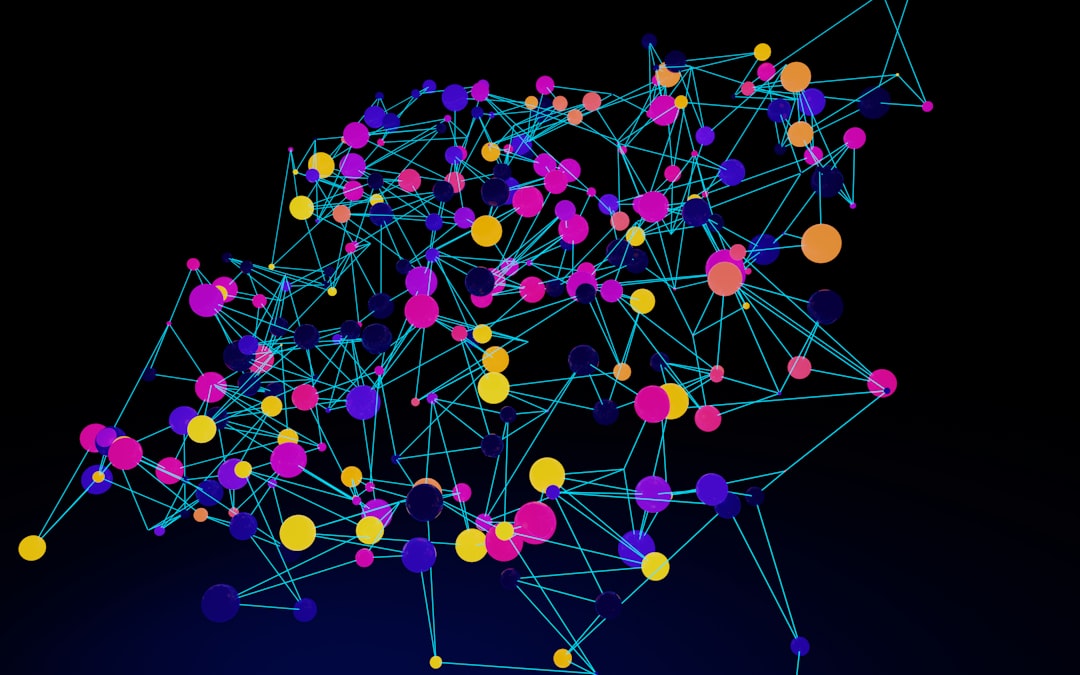
While LangChain popularized LLM pipelines, LangGraph takes things further by enabling developers to build graph-based, stateful agent workflows. Instead of relying purely on conversational loops, you define nodes and edges that represent transitions in logic.
This makes LangGraph particularly useful for production environments where you need deterministic flows combined with agent flexibility.
Key Features:
- Directed graph architecture
- Persistent state between steps
- Fine-grained control over task flow
- Native integration with LangChain ecosystem
LangGraph shines when building customer support automation, onboarding systems, or compliance workflows where certain sequences must always occur—but agents still need room to reason.
3. Semantic Kernel
Best for: Enterprise-grade AI orchestration
Semantic Kernel, backed by Microsoft, is designed with enterprise scalability in mind. It enables orchestration of AI “skills” (modular functions that combine prompts and code) and integrates deeply with external systems.
One of its strongest features is structured planning: the framework can dynamically decide which skills to invoke in order to accomplish a user’s objective.
Key Features:
- Skill-based architecture
- Planner modules for dynamic task execution
- Strong memory management options
- Enterprise integration capabilities
Semantic Kernel is ideal for organizations that need AI agents embedded into existing workflows such as CRM systems, internal dashboards, or operational tooling. It may feel heavier than CrewAI, but it offers robustness at scale.
4. OpenAI Assistants API
Best for: Built-in tools and managed infrastructure
The OpenAI Assistants API provides a managed way to build agents with memory, tool usage, file retrieval, and code execution without manually orchestrating everything yourself.
Unlike fully open-source orchestration frameworks, this solution abstracts away much of the complexity. You define tools and instructions, and the assistant decides how to call them in pursuit of its goal.
Key Features:
- Persistent threads (long-term conversation memory)
- File search and retrieval
- Code interpreter support
- Managed scaling and infrastructure
This option is especially appealing for startups that want to move quickly without building entire orchestration layers from scratch. The tradeoff is less low-level control compared to frameworks like LangGraph.
5. SuperAGI
Best for: Ambitious autonomous agents with broader control loops
SuperAGI is an open-source framework explicitly designed for autonomous agent systems. Its architecture supports monitoring, vector memory storage, tool integrations, and performance tracking.
SuperAGI aims to replicate high-level autonomous behavior where agents continuously analyze goals, adapt strategies, and self-improve based on feedback.
Key Features:
- Extensible tool ecosystem
- Agent performance telemetry
- Vector memory integration
- Continuous task execution loops
While powerful, SuperAGI may require more infrastructure setup. It’s better suited for developers who want significant autonomy and customization over their system’s inner workings.
Comparison Chart
| Framework | Best For | Multi-Agent Support | State Management | Ease of Setup | Enterprise Ready |
|---|---|---|---|---|---|
| AutoGen | Collaborative reasoning | Strong | Moderate | Intermediate | Yes |
| LangGraph | Structured workflows | Moderate | Strong | Intermediate | Yes |
| Semantic Kernel | Enterprise AI systems | Moderate | Strong | Intermediate to Advanced | Strong |
| OpenAI Assistants API | Rapid deployment | Implicit | Built-in | Easy | Yes |
| SuperAGI | Autonomous experimentation | Strong | Strong | Advanced | Emerging |
How to Choose the Right Framework
Choosing the best CrewAI alternative depends largely on your goals:
- If you want collaborative agent conversations, start with AutoGen.
- If you need structured control and deterministic flows, LangGraph is ideal.
- If you’re building for enterprise environments, Semantic Kernel offers depth.
- If you want quick implementation with built-in tools, the Assistants API is efficient.
- If you’re exploring high-autonomy systems, SuperAGI may be the best fit.
It’s also worth considering hybrid approaches. Many teams combine orchestration frameworks with vector databases, external monitoring tools, or custom memory layers to create more resilient systems.
The Future of Autonomous Workflows
We’re only at the beginning of what agentic AI can accomplish. The next generation of frameworks will likely include:
- Improved self-monitoring and error correction
- Better long-term memory compression techniques
- Multi-modal reasoning across text, image, and data
- Stronger safety and alignment guardrails
As AI agents grow more capable, the value shifts from simply generating text to orchestrating intelligent systems that produce outcomes. Instead of writing a report yourself, you’ll instruct a team of AI agents to research, analyze, draft, revise, and validate it—while you focus on strategy and oversight.
CrewAI opened the door to collaborative agents, but the frameworks listed above demonstrate that the ecosystem is rapidly expanding. Whether you’re building internal automation tools, customer-facing AI products, or ambitious autonomous systems, these five frameworks provide a powerful foundation for designing workflows that think, act, and adapt on their own.
The real transformation isn’t just about smarter chatbots—it’s about building AI-driven systems that operate like digital teams. And with the right framework, that future is already within reach.

I’m Sophia, a front-end developer with a passion for JavaScript frameworks. I enjoy sharing tips and tricks for modern web development.