Running a vineyard is both art and science. You walk the rows. You taste the grapes. You watch the weather like a hawk. But today, great wine also needs great data. That is where vineyard management software comes in. The right tool helps you manage irrigation, fertilization, and yield analytics without losing your sanity.
TLDR: Modern vineyard software helps you control water, nutrients, and grape yields with precision. These tools use sensors, satellite data, and smart dashboards to guide decisions. The best platforms combine irrigation control, fertilization tracking, and yield analytics in one place. Below are six great options, plus a handy comparison chart to help you choose.
Let’s dig into six vineyard management software tools that make farming smarter and a lot more fun.
1. VineView
VineView is like having a bird’s-eye view of your vineyard. Literally. It uses aerial imagery and data analytics to help you see what is happening across every block.
Best for: Large vineyards that want deep insights from above.
- Irrigation: Monitors vine stress using aerial imagery. Helps you adjust water zones.
- Fertilization: Tracks vine vigor. Shows where nutrients may be uneven.
- Yield Analytics: Predicts yield with imaging and historical data.
- Bonus: Creates easy-to-read growth maps.
The dashboard is clean. You can quickly spot weak areas. Instead of walking every row, you scan a map. Then you act where needed.
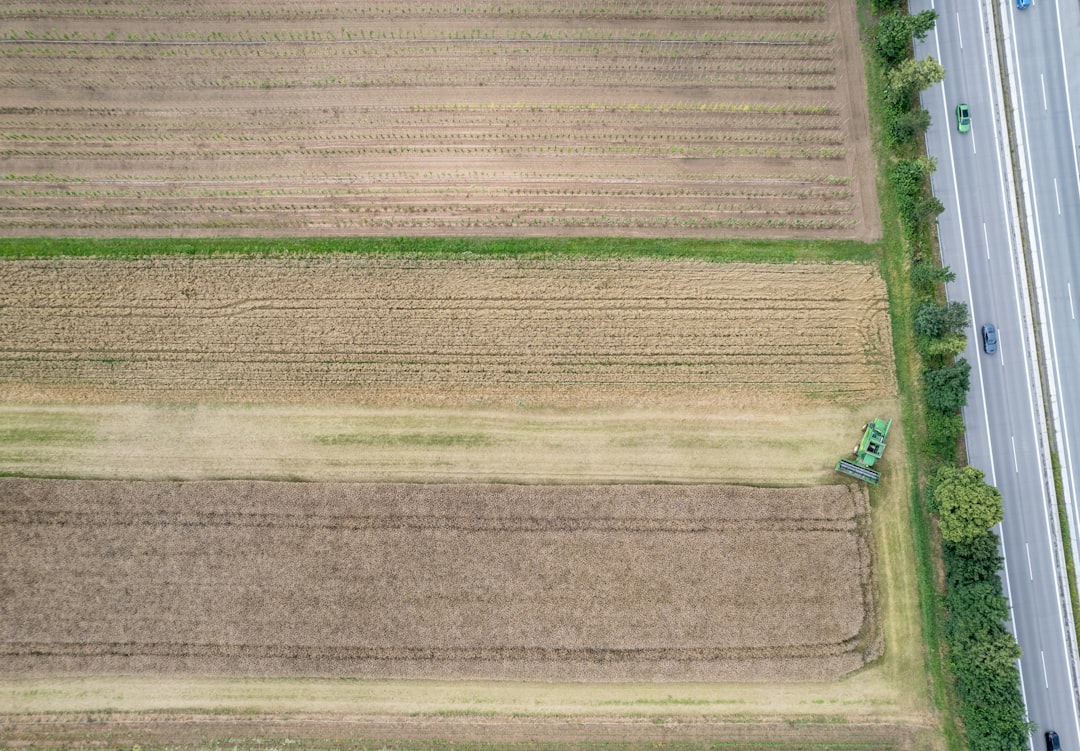
If you manage hundreds of acres, this tool saves serious time. And time is money.
2. AgCode
AgCode focuses on record keeping and operational control. It is strong on compliance and detailed tracking.
Best for: Vineyards that care about traceability and reporting.
- Irrigation: Logs water usage and schedules irrigation events.
- Fertilization: Tracks applications by block, rate, and date.
- Yield Analytics: Connects harvest data to specific lots and acreage.
- Bonus: Excellent reporting tools for audits.
This platform is very practical. It keeps everything organized. If you often think, “Where did I write that down?” this tool is for you.
You also get strong compliance support. That matters if you sell to premium wineries or export markets.
3. Croptracker
Croptracker is popular in specialty crops. Vineyards love it for its simple interface and strong analytics.
Best for: Small to mid-size vineyards that want easy-to-use software.
- Irrigation: Monitors water schedules and integrates with sensor data.
- Fertilization: Logs nutrient programs and application history.
- Yield Analytics: Tracks production by variety and block.
- Bonus: Mobile access for field teams.
The mobile app is a big win. Workers can enter data directly from the field. No more sticky notes in the truck.
It also gives clean yield reports. You can compare Cabernet vs. Merlot in seconds.
4. Tule Technologies
Tule focuses heavily on irrigation management. Water is life in a vineyard. Tule helps you give vines just enough. Not too much. Not too little.
Best for: Vineyards in dry regions.
- Irrigation: Real-time evapotranspiration data. Precise irrigation recommendations.
- Fertilization: Works with fertigation systems to time nutrient delivery.
- Yield Analytics: Links water data with yield performance.
- Bonus: Uses on-site sensors for hyper-local insights.
This software takes the guesswork out of watering. You see actual vine water stress data. That means healthier vines and better grapes.
Image not found in postmeta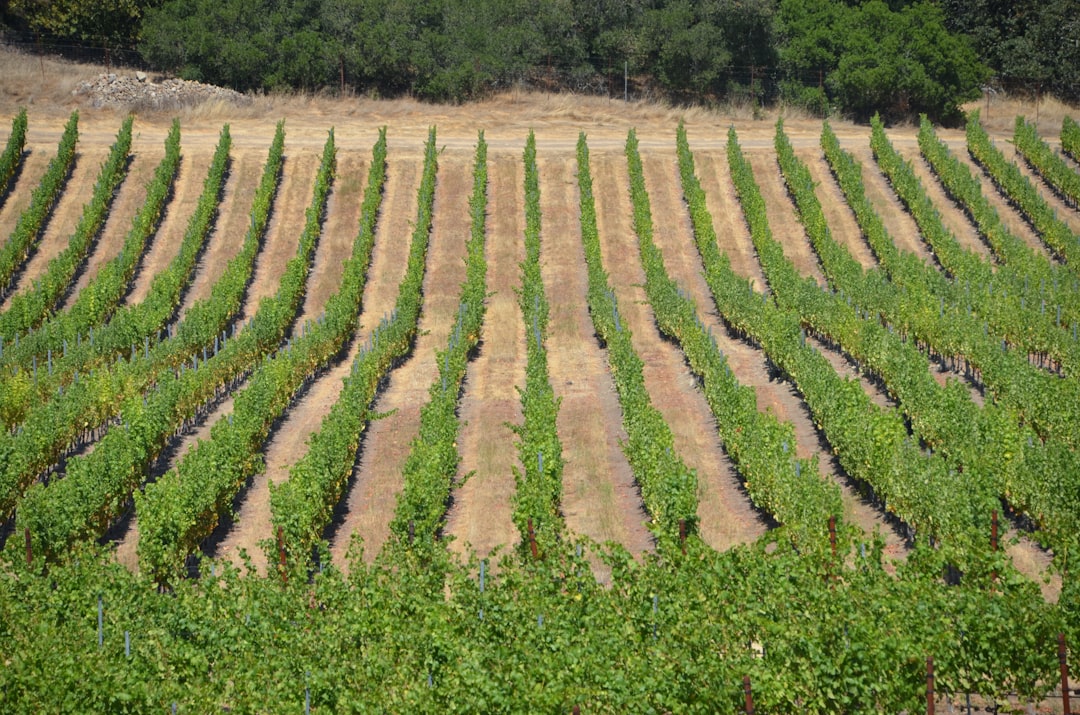
In drought-prone areas, this tool can pay for itself fast.
5. Conservis
Conservis is a full farm management platform. It is powerful and data-heavy.
Best for: Large operations managing multiple crops, including wine grapes.
- Irrigation: Tracks water usage across fields and seasons.
- Fertilization: Plans nutrient applications with budgeting tools.
- Yield Analytics: Advanced reporting and financial yield analysis.
- Bonus: Strong cost tracking features.
It connects operational decisions to financial outcomes. That is huge. You can see how irrigation changes affect profit per acre.
The system is robust. But it may feel complex for smaller vineyards.
6. Vintrace
Vintrace is well known in the wine industry. It connects vineyard data with winery operations.
Best for: Estate wineries that grow and produce.
- Irrigation: Records vineyard activities and water events.
- Fertilization: Tracks vineyard inputs linked to wine lots.
- Yield Analytics: Connects harvest data directly to production batches.
- Bonus: Seamless winery integration.
This tool shines during harvest. You can trace grapes from block to bottle. That is powerful for quality control and storytelling.
Image not found in postmeta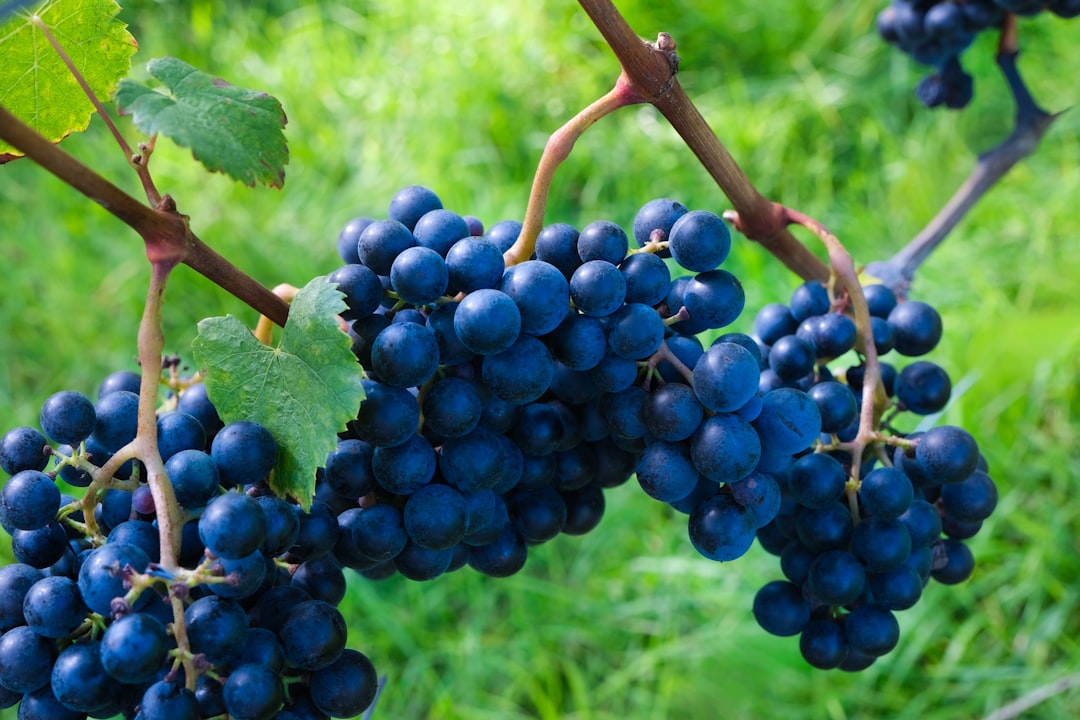
If you market premium wine, customers love transparency. Vintrace helps you deliver that.
Comparison Chart
| Software | Irrigation Tools | Fertilization Tracking | Yield Analytics | Best For |
|---|---|---|---|---|
| VineView | Aerial stress detection | Vigor mapping | Predictive yield models | Large vineyards |
| AgCode | Usage logging | Detailed application logs | Lot-based harvest tracking | Compliance focused growers |
| Croptracker | Sensor integration | Application history | Block and variety reports | Small to mid-size vineyards |
| Tule | Real-time ET data | Fertigation timing | Water to yield analysis | Dry regions |
| Conservis | Seasonal tracking | Budget planning tools | Financial yield reports | Large multi-crop farms |
| Vintrace | Activity records | Input to lot linkage | Block to bottle traceability | Estate wineries |
What to Look For in Vineyard Software
Choosing software is not about picking the flashiest dashboard. It is about fit.
- Ease of use: Can your team learn it fast?
- Mobile access: Does it work in the field?
- Sensor integration: Can it connect to soil or weather devices?
- Scalability: Will it grow with your vineyard?
- Reporting: Does it give clear, useful insights?
Start with your biggest pain point. Is it water management? Go with Tule. Is it compliance and records? AgCode may be better. Want vineyard-to-winery integration? Look at Vintrace.
Why Irrigation, Fertilization, and Yield Analytics Matter
These three areas are deeply connected.
Too much water can dilute flavors. Too little can stress vines. Poor fertilization affects growth. And both impact yield.
With software, you see patterns. You notice that Block A needed 10% less water last season. You discover that a small nutrient tweak increased yield by half a ton per acre.
That is powerful.
Data turns gut feeling into smart decisions. You still walk the vineyard. You still taste the grapes. But now, you also have numbers backing you up.
Final Thoughts
Wine may be ancient. But vineyard management is getting smarter every year.
The best software does three simple things:
- Helps you save water.
- Optimizes nutrients.
- Improves yield and profitability.
Whether you run a boutique vineyard or a sprawling estate, there is a tool that fits. Start small if needed. Test one block. Measure the results.
Soon, you may wonder how you ever managed without it.
Your vines will thank you. Your harvest will show it. And your wine might just taste a little sweeter.

I’m Sophia, a front-end developer with a passion for JavaScript frameworks. I enjoy sharing tips and tricks for modern web development.