People keep asking the same question lately. Will there be Windows 12? You may have seen rumors online, heard tech creators mention it, or noticed changes in how Microsoft talks about Windows. That naturally creates confusion.
This article clears things up using what is known right now. No hype, no guessing. Just what Microsoft has confirmed, where the rumors come from, and what Windows users should realistically expect.
Why People Are Asking About Windows 12
The question did not come out of nowhere. Windows 11 changed how Microsoft releases features and also significantly raised hardware requirements. At the same time, Microsoft started pushing AI features deeper into Windows.
When users see big shifts like this, they assume a new Windows version must be coming. That assumption fuels searches for Windows 12 even without an official announcement.
Has Microsoft Officially Confirmed Windows 12?
No. Microsoft has not officially confirmed Windows 12.
There has been no public announcement, no launch date, and no official product page for Windows 12. Microsoft has not stated that Windows 11 is the final version, but it also has not confirmed a next major release by name.
Anything beyond that is not confirmed information.
Where the Windows 12 Rumors Come From
Most Windows 12 rumors come from indirect signals, not direct statements.
These include comments from hardware partners, changes seen in Windows Insider builds, and references to future Windows platforms in technical documentation. Some leaks also come from internal planning language that never reaches consumers.
Other sources include:
- Industry speculation around new PC hardware cycles
- Talk of “next-generation Windows” from partners
- Confusion between feature updates and full OS releases
None of these confirm a product called Windows 12.
How Microsoft Usually Releases New Windows Versions
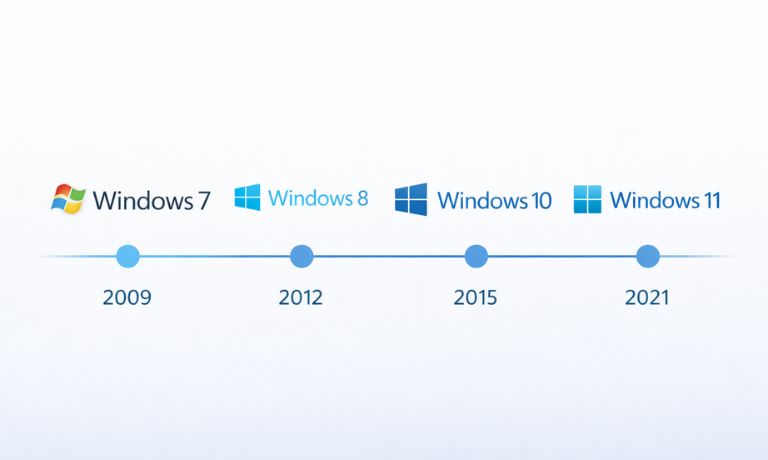
Microsoft’s Windows release strategy has changed over time.
In the past, new Windows versions arrived every few years with clear names like Windows 7, Windows 8, and Windows 10. With Windows 11, Microsoft shifted more focus to frequent feature updates instead of constant full releases.
Windows 11 now receives major updates through Windows Update, similar to how Windows 10 worked later in its life. This makes it harder to tell the difference between a new version and a large update.
Windows 11, AI Features, and the Future of Windows
Microsoft is heavily investing in AI features across Windows. Tools like Copilot are already built into Windows 11 and continue to expand.
These AI additions do not require a new operating system version. Microsoft can add them through updates, just like security patches and feature upgrades.
This suggests Microsoft may continue building on Windows 11 rather than rushing into a Windows 12 release.
What Windows 12 Could Mean for Current Users (If It Happens)
If Microsoft does release Windows 12 in the future, it would likely follow patterns seen before.
That could include new hardware requirements, changes to system security standards, and updated support timelines. Windows 10 support is already scheduled to end in October 2025, which adds more interest to future plans.
Still, none of this confirms that Windows 12 is coming soon.
Should You Wait for Windows 12?

If Microsoft does release Windows 12 in the future, it would likely follow patterns seen in past Windows launches. That could include new hardware requirements, updated security standards, and changes to long-term support plans.
Windows 10 support has already ended, which has increased pressure on users and businesses to move forward. This shift keeps interest high around what Microsoft’s next major Windows move might be.
Conclusion
Right now, Windows 12 is not officially confirmed. Microsoft has not announced it, named it, or set a release date. Most information online comes from speculation, leaks, or misinterpreted updates.
If Windows 12 does happen, Microsoft will announce it clearly. Until then, the best approach is to rely on official sources and focus on the Windows version you already use. If this article helped clear things up, share it or leave a comment with your thoughts.

I’ve been into SEO and blogging for over 7 years. I help websites show up higher on search engines. I really enjoy writing helpful guides, especially about gaming and tech stuff.