Music has been an inseparable part of human culture for centuries, serving as a tool for expression, community, and change. In recent years, a unique intersection has emerged between musical expression and philanthropy through music-focused fundraisers. These events offer more than just entertainment—they become powerful catalysts for social impact, uniting communities, raising awareness, and generating financial support for critical causes.
TLDR: Music-focused fundraisers combine the emotional power of music with community engagement to spark social transformation. These events inspire action through storytelling, collective experience, and financial support for important causes. They are often more successful than traditional fundraising because of their universal appeal and ability to attract wide audiences. From benefit concerts to grassroots performances, music-driven campaigns continue to unite people under a common mission for change.
The Power of Music to Mobilize
Music speaks where words sometimes fail. Across cultures and generations, songs have been used to galvanize movements—from protest anthems during civil rights eras to international relief concerts for global disasters. The emotional resonance and universal language of music make it an unparalleled tool for mobilization.
Fundraisers built around musical performances take full advantage of this. Attendees are not only enjoying the experience—they are connecting to a purpose. Whether it is a local concert supporting disaster relief or a global broadcast raising awareness for climate change, music breathes life into campaigns.
Why Music Makes an Effective Fundraising Tool
- Emotional Engagement: Music evokes emotion, making it easier for audiences to relate to a cause.
- Wide Appeal: Regardless of age, language, or background, music reaches diverse audiences.
- Shared Experience: Live music events offer a collective experience that unites people around a message.
- Increased Visibility: Celebrity musicians attract media attention and public interest, expanding campaign reach.
Historic Examples of Successful Music Fundraisers
Several landmark events have proven that music-centered philanthropy not only works—it has the capacity for monumental impact.
Live Aid (1985)
Perhaps the most iconic music fundraiser in history, Live Aid was a dual-venue concert held in London and Philadelphia. Organized to raise money for Ethiopian famine relief, the event was broadcast live across 150 countries and raised over $125 million. Featuring global stars like Queen, U2, and Madonna, Live Aid set a precedent for what music and collective goodwill could accomplish on a global scale.
Hope for Haiti Now (2010)
Hosted just days after the devastating earthquake in Haiti, this telethon featured performances by Beyoncé, Jay-Z, Coldplay, and others. It raised more than $61 million in a single night, all directed toward relief organizations. The televised event reached viewers worldwide and returned the spotlight to a news story already sliding out of public attention.
One Love Manchester (2017)
Organized by Ariana Grande following a tragic bombing at her concert, this benefit performance helped raise funds for the survivors and their families. It demonstrated how music could heal, raise funds, and stand as a symbol of resilience.

Modern Music Movements Making a Difference
While historic concerts have carved out a legacy, today’s music fundraisers are more localized, digital, and rooted in community activism. Technology has enabled smaller events to find their voices, and crowdfunding platforms mean even grassroots efforts can reach a global audience.
Streaming Concerts
During the pandemic, streaming became the norm—and musicians used it as a creative platform for change. Artists like Post Malone, BTS, and Lady Gaga held virtual concerts, sometimes themed around relief efforts for healthcare workers or mental health awareness. Digital reach allowed them to gather donations from across continents in real-time.
Local Benefit Events
Smaller-scale, community-centered concerts have become powerful tools for addressing local needs. A jazz night for a local food bank, a high school orchestra raising money to fight homelessness—these aren’t just performances; they’re platforms for civic responsibility and advocacy. Even amateur musicians are stepping up to inspire change.
Behind the Scenes: Coordinating Music Fundraisers
Organization is key for a successful music-focused fundraiser. A typical event requires coordination between musicians, technical teams, venues, and nonprofit organizations. Beyond the show itself lies thoughtful strategy:
- Choosing the right cause: Successful events link music style and audience with an aligned social issue.
- Marketing and Promotion: Reaching audiences via social media, press releases, and artist networks enhances turnout and donations.
- Partnerships: Collaborations with sponsors, charities, and influencers can increase credibility and financial backing.
- Storytelling: Often, the impact of a fundraiser hinges on how well the emotional narrative is communicated.
It’s this orchestration of logistics, narrative, and music that makes fundraisers memorable and effective. Proper planning turns passion into power.
Why They Work: Psychological and Social Impact
Music Creates Empathy
When people hear a heartbreaking story sung through lyrics or punctuated by music, empathy follows. Add visuals, testimony, and real-world impact, and suddenly an abstract issue becomes deeply personal. This emotional fuel drives donations and social sharing.
Sense of Belonging
Participatory experiences—like singing along or listening in a shared space—make people feel part of something bigger. Attending a benefit concert is no longer passive support; it becomes an act of solidarity.
Identity and Values
When artists take a stand for causes, fans often mirror those commitments. Bono’s long-time involvement with poverty reduction, or Beyoncé’s advocacy for racial justice, has encouraged fan bases to reflect their values, donate, and take action.
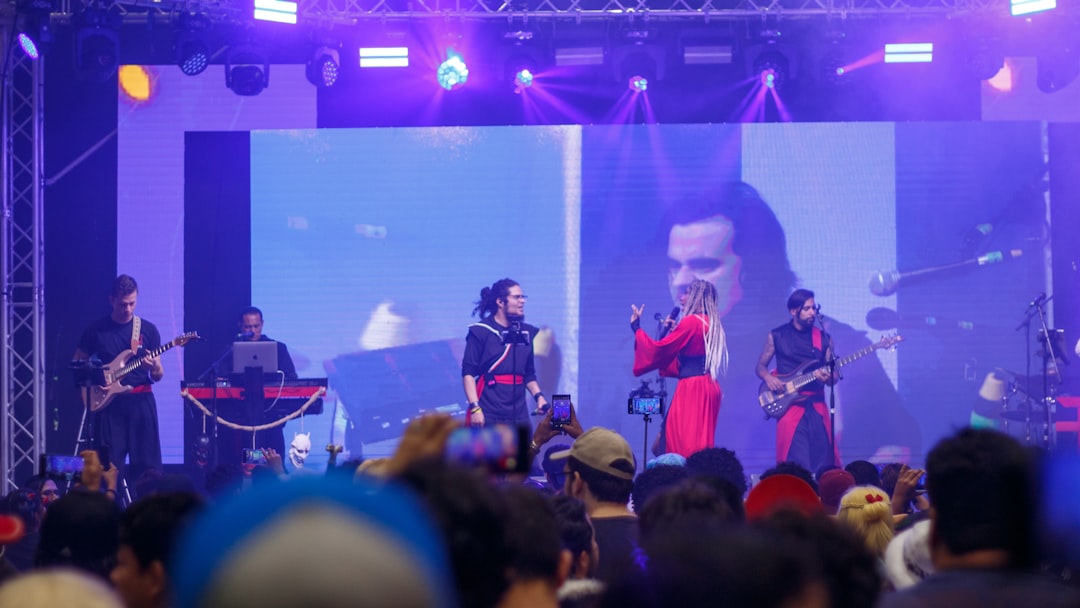
The Financial Impact
While emotional and social benefits are intrinsic, the monetary success of music fundraisers speaks volumes.
- Ticket Sales: Fundraisers often generate revenue through both high-ticket VIP attendance and accessible general admission rates.
- Merchandising: Branded clothing, signed memorabilia, and albums specifically supporting the cause raise additional funds.
- Online Donations: Livestreams enable global giving as viewers donate via integrated systems like PayPal, Venmo, or platforms like GoFundMe.
- Sponsorships: Corporate sponsors provide critical funding in exchange for brand exposure associated with goodwill and community impact.
According to Charity Navigator, benefit concerts now rank among the top three most successful event formats for nonprofit fundraising due to their combination of high engagement and broad appeal.
Challenges and Ethical Considerations
Despite their benefits, not all music fundraisers are flawless. Transparency, allocation of funds, and authenticity of intent are necessary elements that must be maintained. If the event appears self-serving or the proceeds’ destinations are unclear, public trust can quickly erode.
Additionally, artists and organizers must ensure they center the cause and affected communities—not celebrity—and include marginalized voices in planning and presentation. Performative activism is insufficient when tangible community aid is the mission.
Looking Ahead: The Future of Music-Focused Philanthropy
The evolution of music fundraisers is far from over. With AI, virtual reality, and immersive concert experiences on the horizon, the way we engage with music—and subsequently with causes—continues to transform. Interactive features could soon allow real-time donation feedback, deeper storytelling, and holographic performances from global artists, all aimed at enhancing impact.
But at its heart, the mission remains the same: use music—a timeless tool of human connection—as a bridge to actionable change.
Conclusion
Music-focused fundraisers are more than just concerts—they are transformative experiences capable of healing, educating, and mobilizing. Through emotional resonance, mass appeal, and strategic organization, they have proven again and again that they can inspire real, measurable change. As our world continues to face social, environmental, and humanitarian challenges, the symphony of music and activism will remain one of society’s most harmonious forces for good.

I’m Sophia, a front-end developer with a passion for JavaScript frameworks. I enjoy sharing tips and tricks for modern web development.