In an increasingly hybrid world, businesses are under pressure to create seamless bridges between physical touchpoints and digital experiences. QR code tools have emerged as one of the most powerful and cost-effective ways to close this gap. From retail stores and restaurants to events, packaging, and print advertising, QR codes transform static materials into interactive gateways. When implemented strategically, they do more than just link to a website—they capture data, personalize journeys, and deepen engagement.
TLDR: QR code tools serve as essential connectors between offline and online experiences, allowing businesses to drive engagement, collect data, and measure performance. Modern platforms offer dynamic codes, analytics, CRM integrations, and design customization that go far beyond simple URL redirects. By choosing the right tool and applying strategic implementation practices, organizations can turn physical touchpoints into measurable digital assets. Security, tracking capabilities, and flexibility are key selection criteria.
Why QR Codes Matter More Than Ever
While QR codes have existed for decades, their relevance has surged due to widespread smartphone adoption and evolving consumer behavior. Today’s users expect instant access to information. A quick scan can initiate payments, display menus, unlock exclusive content, or register attendance at an event. This convenience reduces friction in the customer journey.
More importantly, modern QR code tools offer:
- Dynamic editing – Change the destination URL without reprinting materials.
- Real-time analytics – Monitor scan counts, device types, and locations.
- Integration – Connect with CRM systems, email marketing platforms, or automation tools.
- Customization – Branded designs that increase trust and scan rates.
By leveraging these capabilities, businesses transform previously untrackable offline campaigns into measurable digital funnels.
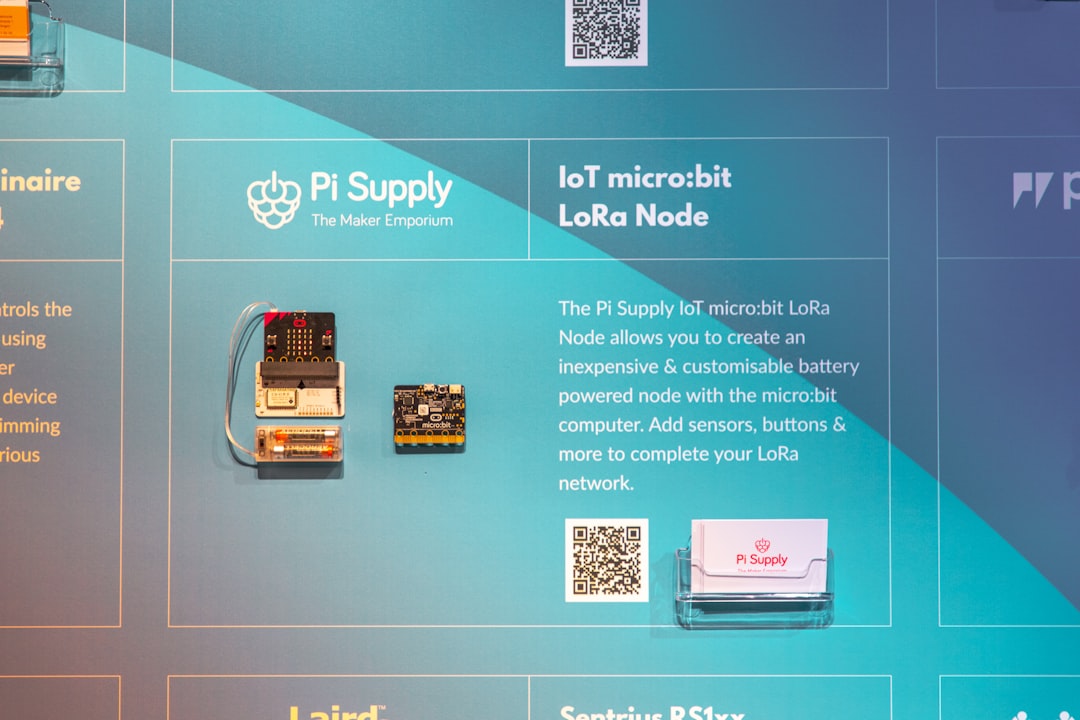
Key Categories of QR Code Tools
Not all QR code tools are created equal. They typically fall into three main categories:
- Basic Generators – Free tools that create static codes linked permanently to one URL.
- Dynamic QR Platforms – Subscription-based services offering analytics, updates, and integrations.
- Enterprise Engagement Platforms – Advanced solutions designed for large-scale campaigns and CRM synchronization.
Understanding these distinctions is essential before selecting a tool.
Leading QR Code Tools That Bridge Offline and Online
1. QR Code Generator Pro
This widely used platform offers dynamic QR code creation with strong customization options. Businesses can create branded QR codes with logos and color schemes while tracking performance metrics through a centralized dashboard.
- Dynamic links
- Scan analytics
- Landing page builder
- GDPR-compliant data handling
Best suited for small and mid-sized businesses looking for flexibility and ease of use.
2. Beaconstac
Beaconstac positions itself as an enterprise-oriented solution. Its standout feature is advanced analytics combined with strong security controls. It supports bulk QR code generation and integrates with marketing automation platforms.
- Role-based access control
- Retargeting integrations (Google, Facebook)
- API access
- Campaign performance tracking
Ideal for marketing teams running multi-channel campaigns.
3. The QR Code Generator by Bitly
Known primarily as a link management platform, Bitly offers QR code functionality combined with branded short links. This is particularly useful for companies already using link tracking tools.
- Branded domains
- Link-level analytics
- Campaign tagging
- Seamless URL management
A strong choice for businesses focused on link strategy and brand consistency.
4. Flowcode
Flowcode emphasizes design, simplicity, and data insights. Its tools are often used in events, education, and nonprofit campaigns due to their visually appealing QR codes and intuitive dashboard.
- Highly customizable visuals
- Scan alerts
- Conversion tracking
- Privacy-first data standards
Effective for engagement-driven campaigns requiring strong visual appeal.
5. Scanova
Scanova provides comprehensive QR code management with extensive campaign tracking tools. It supports multiple QR code types, including vCard, PDF, app download, and social media links.
- Multiple QR formats
- Detailed analytics exports
- Password protection
- White-label options
Well-suited for agencies managing multiple clients.
Comparison Chart of Leading QR Code Tools
| Platform | Dynamic Codes | Analytics Depth | CRM Integration | Best For |
|---|---|---|---|---|
| QR Code Generator Pro | Yes | Moderate | Limited | SMBs |
| Beaconstac | Yes | Advanced | Extensive | Enterprise Marketing |
| Bitly QR Codes | Yes | Link Focused | Moderate | Brand Link Management |
| Flowcode | Yes | Moderate | Limited | Events and Education |
| Scanova | Yes | Advanced | Moderate | Agencies |

Strategic Use Cases Across Industries
Retail
Retailers use QR codes to connect shelf displays to product demos, customer reviews, and real-time inventory. A static poster transforms into a digital storefront extension.
Hospitality
Hotels and restaurants leverage QR codes for digital menus, feedback forms, loyalty program enrollment, and contactless check-in. The result is improved efficiency and measurable customer interaction data.
Events and Conferences
Event organizers use QR codes for attendee registration, session downloads, interactive maps, and lead capture. Exhibitors scan badges connected to CRM tools for immediate follow-up workflows.
Packaging and Product Marketing
Brands embed QR codes on packaging to share origin stories, sustainability credentials, or tutorial videos—adding digital depth to physical goods.
Best Practices for Effective Implementation
Choosing a capable tool is only the first step. Effective deployment requires planning and optimization:
- Prioritize clarity – Include a short call to action such as “Scan to Learn More.”
- Test across devices – Ensure compatibility with various operating systems.
- Use dynamic codes – Allow flexibility and correction without reprinting.
- Optimize landing pages – Ensure mobile responsiveness and fast load times.
- Track conversion metrics – Measure beyond scans to assess ROI.
A QR code without a meaningful digital destination weakens its value. The landing experience must justify the action.

Security and Compliance Considerations
As with any digital gateway, QR codes must be managed securely. Businesses should ensure:
- HTTPS-encrypted destinations
- Fraud monitoring controls
- Data privacy compliance with GDPR or relevant regulations
- Limited administrative access within the platform
Enterprise-grade tools typically offer enhanced controls, including password-protected QR codes and audit logs. These safeguards are essential when handling customer data or payment interactions.
Measuring Success: Beyond Scan Counts
Scan volume alone does not equate to campaign success. Advanced QR code tools enable deeper analysis, including:
- Time-of-day engagement patterns
- Geographical heatmaps
- Conversion to purchase or signup
- Repeat interactions
When integrated with CRM platforms, QR code scans can trigger automated workflows, enabling personalized follow-up communication. This transforms a simple scan event into a structured marketing funnel.
The Future of QR Code-Enabled Experiences
As augmented reality, personalized marketing, and AI-driven analytics continue to evolve, QR codes will likely function as the entry point into immersive digital ecosystems. Smart packaging, interactive storefronts, and location-aware promotions are already reshaping the offline-to-online landscape.
Businesses that treat QR codes merely as static links risk underutilizing a powerful engagement mechanism. In contrast, those investing in comprehensive QR code tools position themselves to build accountable, scalable, and data-rich marketing ecosystems.
Conclusion
QR code tools have matured into sophisticated platforms capable of bridging physical interactions and digital intelligence. From retail shelves to conference halls, they convert everyday objects into measurable engagement channels. By selecting a platform aligned with organizational needs—whether basic, dynamic, or enterprise-level—businesses can unlock substantial strategic value.
In a marketplace driven by immediacy and personalization, the ability to connect offline and online experiences seamlessly is no longer optional. It is a competitive necessity. QR code tools, when implemented thoughtfully and securely, provide one of the most reliable and scalable paths to achieving that integration.

I’m Sophia, a front-end developer with a passion for JavaScript frameworks. I enjoy sharing tips and tricks for modern web development.