Business cards remain one of the most persistent and powerful networking tools in the professional world. Even in an increasingly digital marketplace, a well-designed card can create a memorable first impression, reinforce brand identity, and communicate professionalism in a tangible way. Today, building business cards online has become easier, faster, and more affordable than ever, thanks to sophisticated design platforms and print-on-demand services.
TLDR: The strongest options for building business cards online combine intuitive design tools, high-quality templates, customization flexibility, and reliable printing services. Platforms like Canva, Vistaprint, Adobe Express, Moo, and Zazzle offer different strengths depending on budget and branding needs. The best choice depends on whether the priority is creative control, premium materials, affordability, or fast turnaround. Comparing features, pricing, and printing quality helps businesses select the right solution.
Choosing the right platform requires evaluating several factors, including design freedom, print quality, pricing transparency, branding tools, and shipping options. Below is a deep dive into the strongest platforms currently available and what makes them stand out.
What Makes a Strong Online Business Card Builder?
Before exploring specific tools, it is helpful to understand what separates a strong option from an average one. The best platforms typically provide:
- Professional templates tailored to different industries
- Custom branding features such as logo uploads and color matching
- High-resolution printing with quality materials
- User-friendly editors with drag-and-drop functionality
- Flexible quantity options for small and large orders
- Fast shipping and reliable fulfillment
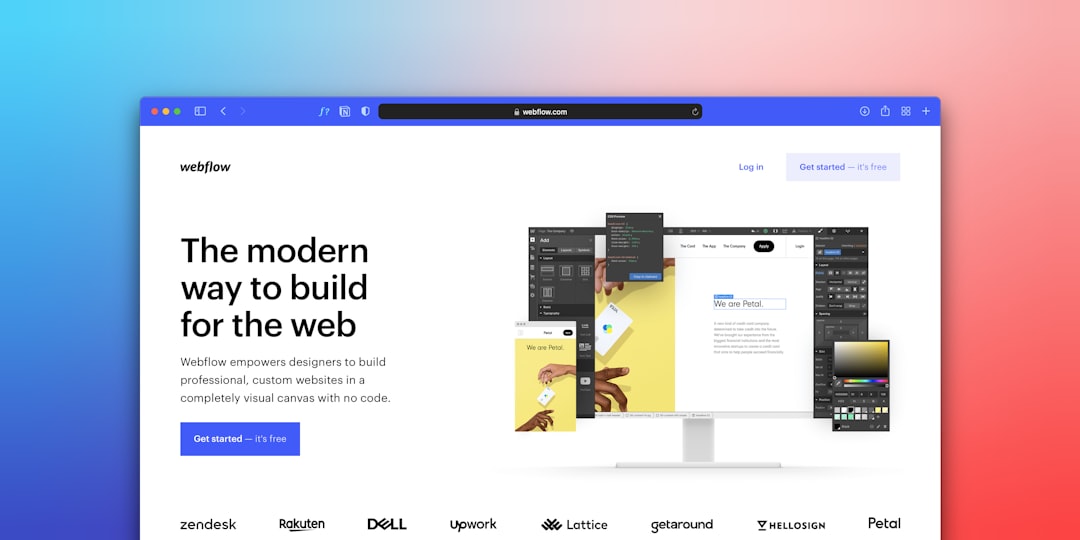
Strong online platforms bridge the gap between graphic design software and commercial printing services, giving businesses complete control while minimizing complexity.
Top Platforms for Building Business Cards Online
1. Canva
Best for beginners and budget-conscious professionals.
Canva has evolved into one of the most popular graphic design platforms for non-designers. Its business card builder is intuitive, template-rich, and accessible even to those with no design experience.
Strengths:
- Thousands of modern templates
- Extensive font and graphics library
- Brand kit tools (with paid plans)
- Integrated printing services
Canva excels in simplicity. Users can customize colors, typography, and layout easily. It also allows collaboration, making it ideal for teams building consistent brand materials.
Limitations: Advanced customization is more limited compared to professional design software, and premium templates require a subscription.
2. Vistaprint
Best for reliable, large-scale printing.
Vistaprint is one of the most recognized names in online printing. It is particularly strong for small businesses looking for practical and affordable bulk orders.
Strengths:
- Competitive pricing on bulk orders
- Wide range of finishes (matte, glossy, UV coating)
- Simple design editor
- Frequent discounts and promotions
Vistaprint may not offer the most advanced design features, but its strength lies in dependable printing and material variety.
Limitations: Template designs can feel somewhat conventional compared to more modern design platforms.
3. Adobe Express
Best for creative professionals requiring flexibility.
Adobe Express provides a simplified version of Adobe’s professional design ecosystem. It balances ease of use with advanced customization features.
Strengths:
- High-level design flexibility
- Strong typography tools
- Seamless integration with other Adobe products
- Professional-quality exports
For users familiar with Adobe tools, Adobe Express offers more creative control than purely template-based builders.
Limitations: The learning curve can be slightly steeper for beginners.
4. Moo
Best for premium materials and luxury finishes.
Moo has built a reputation around high-end printing and unique card features. It is ideal for brands wanting to stand out with exceptional physical quality.
Strengths:
- Premium paper stocks
- Foil accents and embossed finishes
- Printfinity feature (different design on every card)
- Luxury feel and durability
Moo emphasizes quality over cost savings. It appeals to creative industries, consultants, and entrepreneurs who view business cards as brand statements rather than simple contact tools.
Limitations: Higher price point compared to standard printing services.
5. Zazzle
Best for highly customizable and artistic designs.
Zazzle offers a marketplace-style environment where designers and users create highly stylized cards. This makes it ideal for niche industries or individuals wanting something unconventional.
Strengths:
- Unique and artistic templates
- Independent designer marketplace
- Variety of paper stock options
Limitations: Quality consistency can vary depending on the chosen design and customization options.
Comparison Chart of Leading Business Card Platforms
| Platform | Best For | Ease of Use | Design Flexibility | Print Quality | Price Range |
|---|---|---|---|---|---|
| Canva | Beginners & small teams | Excellent | Moderate | Good | Low to Medium |
| Vistaprint | Bulk printing | Very Good | Basic to Moderate | Very Good | Low |
| Adobe Express | Creative professionals | Good | High | Excellent | Medium |
| Moo | Premium branding | Very Good | Moderate | Premium | High |
| Zazzle | Artistic & niche designs | Good | Moderate | Good | Medium |
Key Features to Look For When Choosing a Platform
1. Branding Consistency
The strongest platforms allow users to upload logos in high resolution, apply brand colors precisely, and maintain consistent typography. Consistency across all marketing materials builds trust and recognition.
2. Material and Finish Options
Paper stock can dramatically affect perception. Options may include:
- Matte finish
- Glossy coating
- Soft-touch cards
- Embossed or foil-stamped finishes
- Recycled or eco-friendly materials
Premium textures and finishes tend to leave a stronger impression in competitive networking environments.
3. Turnaround Time
For professionals attending trade shows or conferences, fast delivery is essential. Some platforms offer express shipping options for urgent needs.
4. Price Transparency
The strongest services clearly display:
- Base printing costs
- Fees for upgrades
- Shipping charges
- Bulk discounts
Unexpected add-ons can significantly affect final pricing, so cost clarity is critical.
Digital-Only vs. Print-Integrated Platforms
Some business owners choose to design cards digitally and use third-party print shops for production. Others prefer integrated platforms that handle both design and fulfillment.
Integrated platforms simplify logistics, minimize formatting issues, and ensure print compatibility.
Standalone design tools may offer greater creative freedom but require knowledge of print settings like bleed margins and color modes.
The strongest solution depends on whether ease of use or design precision takes priority.
Industry-Specific Considerations
Different industries benefit from different styles and finishes:
- Corporate professionals often prefer clean, minimalist layouts.
- Creative agencies benefit from bold typography and unique textures.
- Real estate agents may prioritize durability for frequent handling.
- Consultants and freelancers often choose premium stocks to reflect expertise.
Evaluating how a card aligns with target audience expectations strengthens branding impact.
Conclusion
The strongest options for building business cards online combine design simplicity, professional-quality printing, flexible customization, and reliable delivery. Canva stands out for accessibility, Vistaprint for affordability and bulk printing, Adobe Express for creative control, Moo for premium finishes, and Zazzle for artistic individuality.
No single platform is universally superior; the best choice depends on specific business goals, budget constraints, and branding priorities. Careful comparison ensures that the final product does more than share contact details — it reinforces credibility, communicates professionalism, and leaves a lasting impression.
Frequently Asked Questions (FAQ)
1. What is the best online platform for cheap business cards?
Vistaprint and Canva typically offer the most affordable options, especially during promotional periods and bulk orders.
2. Which platform offers the highest-quality business cards?
Moo is widely recognized for its premium materials, thick card stock, and specialty finishes like foil stamping and embossing.
3. Can someone design a business card without graphic design experience?
Yes. Platforms like Canva and Vistaprint provide drag-and-drop editors and pre-designed templates suitable for beginners.
4. How many business cards should a professional order?
Most professionals start with 250 to 500 cards, depending on networking frequency and event attendance.
5. Are digital business cards replacing physical ones?
Digital cards are growing in popularity, but physical business cards remain valuable for face-to-face networking and establishing tangible brand presence.
6. What information should always be included on a business card?
Essential details typically include name, job title, company name, phone number, email address, and website. Social media handles may also be included when relevant.

I’m Sophia, a front-end developer with a passion for JavaScript frameworks. I enjoy sharing tips and tricks for modern web development.