Data is the fuel of modern business. But what happens when that fuel gets dirty? Or leaks? Or disappears completely? Chaos. Dashboards break. Reports lie. Customers get annoyed. Teams panic.
That’s where AI data observability platforms step in. They watch your data like a hawk. They tell you when something looks weird. And they often fix issues before anyone else even notices.
TLDR: AI data observability platforms help you monitor, detect, and fix issues in your data pipelines. They use automation and machine learning to spot anomalies, track freshness, and maintain trust in your data. Without observability, broken pipelines can quietly damage reports and decisions. With it, your data becomes reliable, predictable, and much easier to manage.
Let’s break this down in a fun and simple way.
What Is Data Observability?
Think of data observability like a fitness tracker. But for your data.
A fitness tracker monitors:
- Heart rate
- Steps
- Sleep
Data observability monitors:
- Data freshness
- Data volume
- Schema changes
- Anomalies
- Pipeline failures
In short, it tells you if your data is healthy.
Before observability tools, teams relied on manual checks. Or angry emails from executives. Neither is ideal.
Why AI Makes It Better
Basic monitoring checks if something crashed.
AI-powered observability checks if something looks suspicious.
That’s a big difference.
For example:
- Your pipeline runs successfully ✅
- But sales numbers drop 40% overnight ❌
- No one knows why
AI detects the anomaly instantly. It alerts the team. It may even suggest the root cause.
This is smarter. Faster. And much safer.
Key Features of AI Data Observability Platforms
Most modern platforms share a common core. Let’s look at the essentials.
1. Freshness Monitoring
Is your data arriving on time?
If yesterday’s sales report loads two hours late, AI will notice.
2. Volume Monitoring
Did record counts suddenly spike? Or drop?
AI looks at historical patterns and flags strange changes.
3. Schema Change Detection
Someone renamed a column?
Added a new field?
Dropped something important?
You’ll know immediately.
4. Anomaly Detection
This is where AI shines.
It learns “normal.”
Then it flags “not normal.”
5. Root Cause Analysis
Modern platforms do not just scream “Something is wrong!”
They help answer: Where did it break?
6. Data Lineage
This shows how data flows from source to dashboard.
Think of it like Google Maps for your data.
How AI Observability Tools Fit Into Data Pipelines
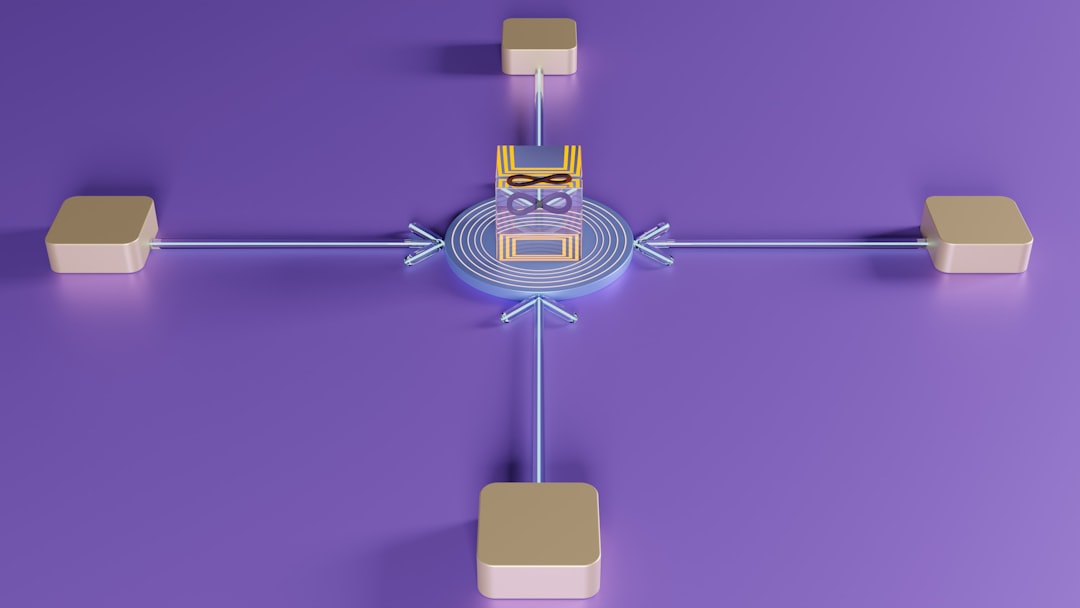
A typical data pipeline looks like this:
- Data is collected from sources
- It moves into a warehouse
- It gets transformed
- It lands in dashboards
Problems can happen anywhere.
AI observability tools sit across the pipeline. They constantly scan everything.
It’s like having security cameras at every door.
Popular AI Data Observability Platforms
Now, let’s explore some well-known tools in this space.
1. Monte Carlo
One of the pioneers in data observability.
- Strong anomaly detection
- Automatic lineage
- Focused on enterprises
2. Databand (IBM)
Designed for data engineering teams.
- Pipeline-level visibility
- Strong alerting systems
- Integrates with orchestration tools
3. Bigeye
Known for automated metrics monitoring.
- No heavy rule writing
- AI-driven anomaly detection
- Data warehouse focused
4. Acceldata
Broader data observability and performance monitoring.
- Infrastructure visibility
- Pipeline monitoring
- Built for complex systems
5. Metaplane
Strong AI foundations.
- Column-level anomaly detection
- Automatic baseline learning
- Focused on analytics teams
Comparison Chart
| Platform | Best For | AI Anomaly Detection | Data Lineage | Enterprise Ready |
|---|---|---|---|---|
| Monte Carlo | Large enterprises | Yes | Yes | Yes |
| Databand | Data engineers | Yes | Partial | Yes |
| Bigeye | Warehouse monitoring | Yes | Limited | Yes |
| Acceldata | Complex ecosystems | Yes | Yes | Yes |
| Metaplane | Analytics teams | Yes | Growing | Mid to Large |
Benefits of Using AI Observability Platforms
1. Trust in Data
When teams trust data, they use it more.
When they don’t, they ignore dashboards.
2. Faster Incident Response
Instead of digging for hours, you get instant alerts.
3. Less Manual Work
No more writing dozens of data quality rules.
AI handles it.
4. Cross-Team Alignment
Everyone sees the same health signals.
No finger pointing.
5. Cost Savings
Bad data leads to bad decisions.
Those can be expensive.
Common Challenges
It’s not all magic.
Alert Fatigue
Too many alerts can overwhelm teams.
Good AI tools reduce noise over time.
Integration Complexity
Data ecosystems are messy.
Connecting everything takes effort.
Learning Curve
Teams must adapt workflows.
Observability works best when embedded in daily processes.
How to Choose the Right Platform
Ask these simple questions:
- How large is our data environment?
- Do we need column-level monitoring?
- Is lineage critical?
- How fast do we scale?
- Does it integrate with our warehouse?
Start small if needed.
Expand as trust grows.

The Future of AI Data Observability
The future looks exciting.
Here’s what’s coming:
- Predictive issue detection before failures happen
- Self-healing pipelines that auto-correct issues
- Deeper business context integration
- Natural language monitoring queries
Imagine asking:
“Why was revenue lower this morning?”
And getting a clear answer in seconds.
We are not far from that.
Why This Matters More Than Ever
Companies run on data.
AI models depend on it.
Customers experience it.
If your pipeline leaks, trust erodes.
If dashboards lie, decisions suffer.
Observability is not a “nice to have.”
It is critical infrastructure.
Simple Analogy to Remember
Think of your data pipeline like plumbing.
You can:
- Wait for a flood
- Or install leak detectors
AI data observability platforms are leak detectors.
They watch silently.
They alert quickly.
They protect constantly.
Final Thoughts
Data problems rarely announce themselves politely.
They hide.
They spread.
They cause confusion.
AI data observability platforms shine a light on those hidden issues.
They replace guesswork with clarity.
They replace panic with proactive monitoring.
They replace broken dashboards with reliable insight.
If your business depends on data — and it almost certainly does — then observability is no longer optional.
It’s your safety net.
Your early warning system.
Your data’s personal trainer.
And once you have it, you’ll wonder how you ever lived without it.

I’m Sophia, a front-end developer with a passion for JavaScript frameworks. I enjoy sharing tips and tricks for modern web development.