
Hydropower usually wins for steady, large-scale electricity, while solar power often wins for speed, flexibility, and lower site risk. A utility, city, or business should choose based on location, water access, budget timing, and grid needs. Hydropower can run day and night, but dams can damage rivers. Solar is cleaner to install in many places, but it needs storage or backup after sunset.
TLDR: Hydropower is best when a region already has suitable rivers, reservoirs, or existing dams. Solar power is better for fast deployment, rooftops, dry regions, and smaller projects. For example, a town needing 10 MW quickly may install solar in months, while a new hydropower dam can take 5 to 10 years. Hydropower can reach capacity factors above 40%, while utility solar often sits near 15% to 30%, depending on sunlight and storage.
Image not found in postmetaHydropower and Solar Power at a Glance
Hydropower uses moving water to spin turbines and produce electricity. It may come from large dams, run-of-river plants, pumped storage systems, or small hydro units. It is one of the oldest renewable power sources and still supplies a major share of global clean electricity.
Solar power converts sunlight into electricity through photovoltaic panels or uses heat in solar thermal systems. Photovoltaic solar is now common on rooftops, farms, warehouses, parking lots, and utility-scale sites. It scales well from a single home to a massive power plant.
The choice is rarely simple. Hydropower can produce stable power with low operating emissions. Solar can be installed almost anywhere with enough sun. The catch is that both have limits that show up fast when real projects meet permits, land rules, grid capacity, and weather.
Pros of Hydropower
- Reliable generation: Hydropower can produce electricity day and night when water supply is steady. This makes it useful for baseload power and grid support.
- Energy storage potential: Pumped storage hydropower can store extra electricity by pumping water uphill, then release it when demand rises.
- Long asset life: Many hydro plants run for 50 to 100 years with maintenance and upgrades.
- Low operating emissions: Once built, hydro plants usually produce electricity with very low direct carbon emissions.
- Grid stability: Hydropower can ramp output up and down faster than many power plants. That helps balance wind and solar changes.
Cons of Hydropower
- High upfront cost: New dams are expensive. Civil works, turbines, transmission, and permits can cost billions for major projects.
- Long approval time: Environmental reviews, water rights, and community concerns can delay projects for years.
- River damage: Dams can block fish migration, trap sediment, change water temperature, and alter natural flows.
- Flooding and displacement: Large reservoirs can cover forests, farmland, homes, and cultural sites.
- Drought risk: Low rainfall can reduce output. This is a serious issue as weather patterns shift.
Honestly, it feels like hydropower planning can turn into a paperwork marathon before a single turbine moves. A design change that looks small on paper may trigger another round of studies, hearings, and cost updates.
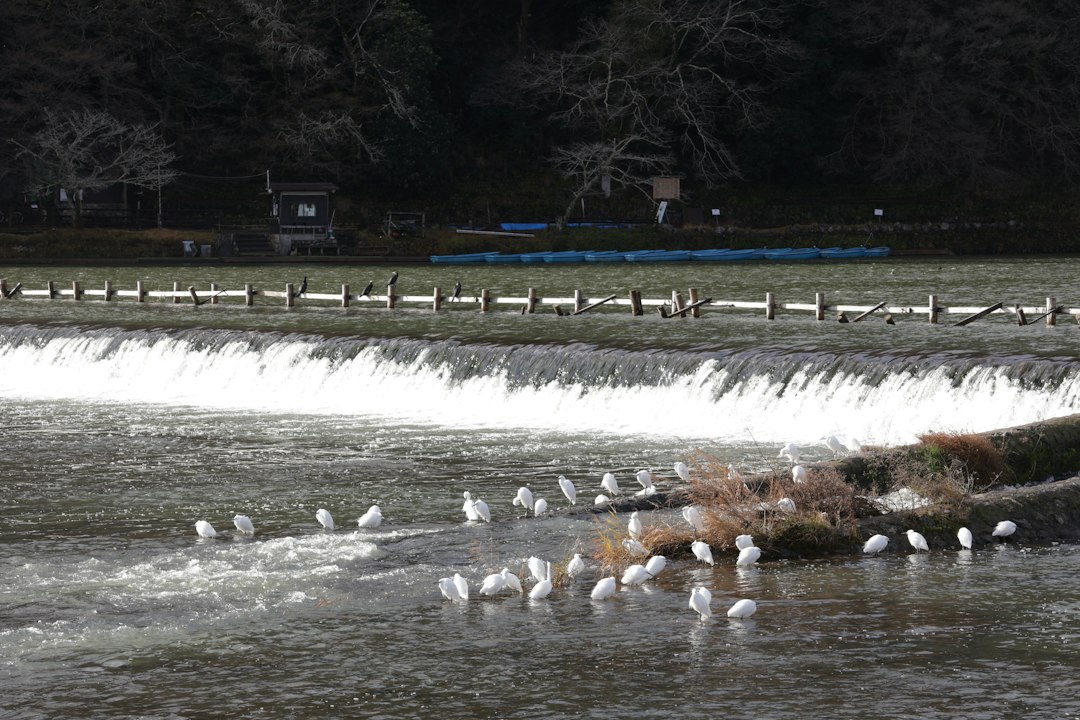
Pros of Solar Power
- Fast installation: Solar farms can often be planned and built far faster than new hydropower dams.
- Modular design: A project can start small and expand. Panels can sit on rooftops, parking canopies, brownfields, or open land.
- Low water use: Solar photovoltaic systems need little water during operation, mainly for cleaning panels.
- Falling costs: Solar panel prices have dropped sharply over the past decade. This has made solar one of the cheapest new power sources in many regions.
- Low maintenance: Panels have no moving parts. Inverters need attention, but routine care is usually simple.
Cons of Solar Power
- Intermittent output: Solar does not produce power at night. Clouds, smoke, dust, and storms cut generation.
- Storage needs: Batteries or other backup systems are often needed for evening demand.
- Land use: Large solar farms need space. Poor siting can conflict with farming, wildlife, or local views.
- Panel waste: Old panels need recycling systems. Those systems are improving, but coverage remains uneven.
- Grid congestion: In some areas, new solar projects wait months or years for grid connection approval.
Hydropower vs Solar Power: Key Decision Factors
1. Reliability: Hydropower usually has the edge. A reservoir-backed plant can provide power when solar output is zero. Solar needs batteries, pumped storage, gas backup, demand response, or another firm power source.
2. Speed: Solar wins. A commercial rooftop project may finish in weeks. A utility solar project may take months to a few years. A new dam can take much longer, especially if land and river impacts are disputed.
3. Cost: Solar often has the lower upfront cost per installed kilowatt. Hydropower may become attractive over decades due to its long life and steady output. Still, every site is different. A small hydro upgrade at an existing dam can be a bargain. A new mega-dam can be a budget nightmare.
4. Environmental impact: Solar usually causes less disruption when placed on rooftops, parking lots, degraded land, or industrial sites. Hydropower can have major river impacts. Yet solar farms can also harm habitats if built carelessly.
5. Climate risk: Solar output depends on sunlight, which is predictable in many regions. Hydropower depends on water flow. Drought can cut production hard. In dry years, some hydro-heavy grids have needed costly replacement power.
6. Best use case: Hydropower suits regions with strong rivers, existing dams, high storage needs, and long planning horizons. Solar suits homes, businesses, schools, farms, cities, and utilities that need cleaner power fast.
Image not found in postmetaExample Scenario: A Regional Energy Choice
A regional utility needs 100 MW of new renewable capacity. It has two options: upgrade an existing hydropower facility or build a solar farm with batteries.
The hydro upgrade may add dependable power by replacing old turbines. It may also use current infrastructure, which lowers ecological harm compared with building a new dam. If the upgrade costs less than a new plant and improves fish passage, it could be the stronger choice.
The solar option may be faster. If the region has abundant sun, a 100 MW solar farm could produce clean energy during peak daytime demand. Adding a 4-hour battery system would help serve evening loads. But it would raise project cost and require grid studies.
For this utility, the best answer may not be either-or. A hydro upgrade plus solar and storage could reduce emissions, improve reliability, and lower exposure to drought or cloudy weeks.
Which Renewable Energy Source Should Be Chosen?
Solar power is usually the practical pick for new distributed projects. It is easier to site, faster to build, and useful at many scales. Homes, factories, schools, and municipalities often gain more from solar than from waiting on a complex water project.
Hydropower is often the stronger pick for firm renewable electricity where the infrastructure already exists. Upgrading old dams, adding turbines to non-powered dams, or improving pumped storage can provide major value with fewer new impacts than building from scratch.
For many grids, the smartest mix is solar for growth and hydropower for stability. Solar supplies cheap daytime energy. Hydro fills gaps, supports frequency, and stores energy in pumped systems. Together, they can reduce fossil fuel use more effectively than either source alone.
FAQ
Is hydropower better than solar power?
Hydropower is better for steady electricity and long-term grid support. Solar is better for fast installation, lower water use, and flexible siting. The better option depends on location and project goals.
Which is cheaper, hydropower or solar power?
Solar is often cheaper for new capacity, especially at small and medium scales. Hydropower can be cost-effective when upgrading existing dams or adding pumped storage. New large dams are usually expensive.
Is hydropower truly renewable?
Yes, hydropower is renewable because it uses the water cycle. Still, it is not impact-free. River health, fish movement, sediment flow, and nearby communities must be considered.
Does solar power need batteries?
Solar does not always need batteries. Grid-connected solar can send power directly to the grid. Batteries become more useful when power is needed after sunset or during outages.
Can hydropower and solar work together?
Yes. Solar can produce energy during the day, while hydropower can balance output when sunlight drops. Pumped storage hydropower can also store extra solar energy for later use.

I’m Sophia, a front-end developer with a passion for JavaScript frameworks. I enjoy sharing tips and tricks for modern web development.
