As digital transformation accelerates across industries, the design of secure and efficient modern network architectures has become a foundational concern for businesses and institutions. Modern networks are expected to support high-speed data transfers, host cloud-based applications, enable zero-trust security models, and scale seamlessly as organizations grow. This means network design must evolve beyond traditional configurations to incorporate new technologies and best practices that ensure reliability, performance, and security.
TL;DR
Designing modern network architectures requires balancing performance, scalability, and robust security. Using segmentation, cloud integration, automation, and zero-trust frameworks, organizations can build resilient infrastructures. Proper planning and tool selection—along with ongoing monitoring—are essential for defending against evolving threats while maintaining optimal network operations. This article explores strategies and technologies essential for secure and efficient network design.
Understanding What Makes Modern Network Architecture “Modern”
Modern network design differs significantly from traditional models, which were often centralized and built around fixed hardware infrastructures. Today’s networks are more dynamic, hybrid, and distributed, accounting for mobile users, cloud services, IoT devices, remote workforces, and various edge computing requirements.
Key characteristics of modern network architecture include:
- Scalability: Ability to grow with increased demand, users, or locations.
- Security-Centric: Incorporating security into every layer of the network, not as an afterthought.
- Cloud-Native Support: Full support for hybrid, multi-cloud, and SaaS integrations.
- Programmability: Networks managed through APIs and automation tools for real-time configuration and scaling.
- Zero Trust Principles: Assume breach; verify every access request, regardless of origin.
The Pillars of a Secure and Efficient Network Architecture
1. Network Segmentation
One of the fundamental strategies in secure network design is segmentation—dividing the network into subnetworks or zones based on roles, departments, or functions. This limits lateral movement of threats and isolates sensitive segments.
Example: Separating IoT devices from internal systems ensures that if smart light bulbs are compromised, critical servers remain unaffected.
2. Zero Trust Networking
Zero trust security turns the traditional model inside-out. Rather than verifying a user or device just once (e.g., at login), it enforces continuous verification and least-privilege access.
Main zero trust concepts:
- User and device verification
- Micro-segmentation and limited access
- Multi-factor authentication (MFA)
- Role-based access control (RBAC)

Implementing zero trust frameworks often requires the deployment of identity and access management (IAM) systems, network access control (NAC), and endpoint detection and response (EDR) tools for comprehensive visibility.
3. Cloud and Edge Integration
Hybrid cloud architectures are now commonplace. As organizations distribute workloads between on-premises data centers, public clouds, and edge locations, a unified and secure network fabric becomes essential.
Design considerations include:
- Secure VPN or SD-WAN for cloud connectivity
- Latency reduction with edge compute nodes
- Encryption for data in transit and at rest
SD-WAN (Software-Defined Wide Area Network) is especially vital. It not only handles traffic routing intelligently but also integrates security features like firewalls, threat detection, and traffic encryption.
4. Automation and Orchestration
Manual network management is no longer viable at scale. Automation improves speed, reduces human error, and helps deliver consistent security policies across environments.
Common automation tools include:
- Ansible and Terraform for infrastructure as code (IaC)
- REST APIs for interacting with network devices
- Cloud-native orchestration platforms like Kubernetes
Network automation also extends to security playbooks, dynamically adjusting firewall rules or shutting down compromised endpoints.
5. Monitoring and Observability
Efficient and secure networks aren’t built once—they’re continuously monitored, tested, and fine-tuned. Observability tools help teams respond to performance issues and detect security anomalies in real time.
Essential monitoring tools include:
- Network performance monitoring (NPM) platforms
- Security Information and Event Management (SIEM) systems
- Flow data tools like NetFlow or sFlow
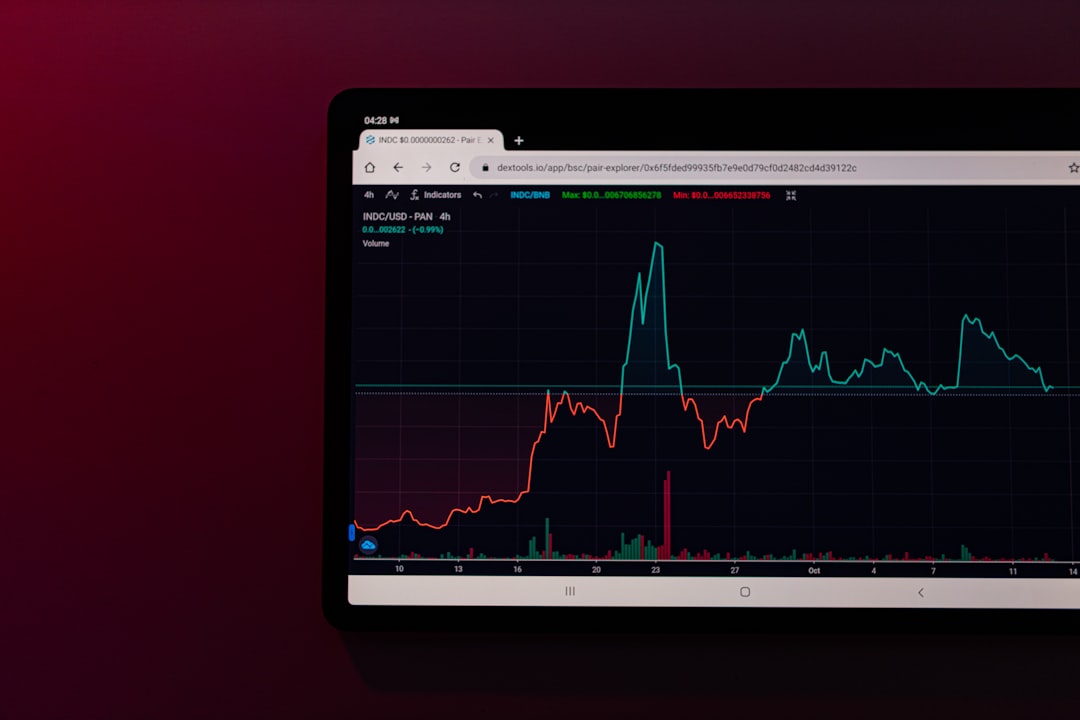
These tools provide a centralized view, allowing IT and cybersecurity teams to correlate logs and quickly trace attack vectors or configuration errors.
Common Threats to Modern Networks
As networks become more complex, so do the threats against them. Designing for security means anticipating a broad range of attack vectors:
- Phishing Attacks: Target users to steal credentials or deploy malware.
- Ransomware: Exploits unpatched systems or lateral movement.
- Distributed Denial of Service (DDoS): Overwhelms services to disrupt availability.
- Man-in-the-Middle (MitM): Intercepts communications for data theft or manipulation.
- Insider Threats: Malicious or negligent insider access causing data leaks or sabotage.
Security controls should be layered using a defense-in-depth approach to mitigate each of these threats across multiple touchpoints.
Future Trends in Network Design
Modern networks will continue evolving. Key future-looking elements include:
- AI-Driven Monitoring: Using machine learning to detect unknown threats and anomalies.
- Intent-Based Networking: Networks that self-configure toward defined business outcomes.
- Quantum-Resistant Encryption: Preparing for future quantum computing threats.
- Secure Access Service Edge (SASE): A unified strategy combining SD-WAN and security in a cloud-delivered model.
Enterprises that invest in adaptive, policy-driven, and intelligent network architectures will be better equipped to handle the demands and threats of the digital age.
Conclusion
Secure and efficient modern network design isn’t just about connecting devices—it’s about creating a resilient and adaptable architecture. By integrating zero trust principles, automation, extensive monitoring, and cloud adaptability, organizations can ensure their networks remain robust, secure, and prepared for future challenges. A successful architecture bridges the gap between operational performance and cybersecurity with continuous improvement at its core.
FAQ: Designing Secure and Efficient Modern Network Architectures
- What is a modern network architecture?
- A modern network architecture is a flexible, high-performing, and security-conscious design that integrates cloud, edge, and on-premises networks. It uses software-defined tools and automation to maintain agility and resilience.
- Why is zero trust important in modern networks?
- Zero trust emphasizes “never trust, always verify” and improves security by constantly validating users and devices, minimizing the risk of lateral threats within the network.
- What role does SD-WAN play in network design?
- SD-WAN enhances connectivity across distributed sites, automates traffic routing, and integrates security features, making it ideal for modern, cloud-based infrastructures.
- How can businesses improve network observability?
- By using tools like SIEM, NPM platforms, and flow analysis technologies, businesses can gain real-time insights into network behavior and respond promptly to anomalies or threats.
- What’s the future of network design?
- The future lies in AI-driven security, intent-based networking, and convergence of security and networking services through models like SASE, providing more intelligent, scalable, and secure networking solutions.

I’m Sophia, a front-end developer with a passion for JavaScript frameworks. I enjoy sharing tips and tricks for modern web development.