When people think about global investment giants like Vanguard and BlackRock, they often picture trillions of dollars in assets, complex trading systems, and massive data operations running behind the scenes. That naturally raises a technical question: Do Vanguard or BlackRock use SAP HANA? The short answer is more nuanced than many expect. While neither firm publicly discloses the full details of its internal technology stack, there are strong indicators about how companies of their scale approach enterprise platforms like SAP HANA.
TL;DR: Vanguard and BlackRock do not publicly confirm using SAP HANA as a core investment management system, but firms of their size commonly use SAP products for finance, HR, and enterprise resource planning. SAP HANA is especially popular for high-performance analytics and real-time reporting at large global institutions. However, investment management systems at firms like Vanguard and BlackRock are heavily customized, often built in-house or layered on top of multiple technologies. In short, SAP HANA may play a supporting role, but it’s unlikely to be the central engine behind portfolio management.
Understanding SAP HANA
Before diving into whether these asset management giants use SAP HANA, it helps to understand what SAP HANA actually is.
SAP HANA is an in-memory database and enterprise application platform developed by SAP. It is designed for:
- Real-time analytics
- High-speed transaction processing
- Enterprise resource planning (ERP)
- Financial consolidation and reporting
- Large-scale data warehousing
Unlike traditional disk-based databases, SAP HANA stores data in memory (RAM), dramatically improving processing speed. This is especially important for organizations that handle enormous datasets and require real-time visibility.
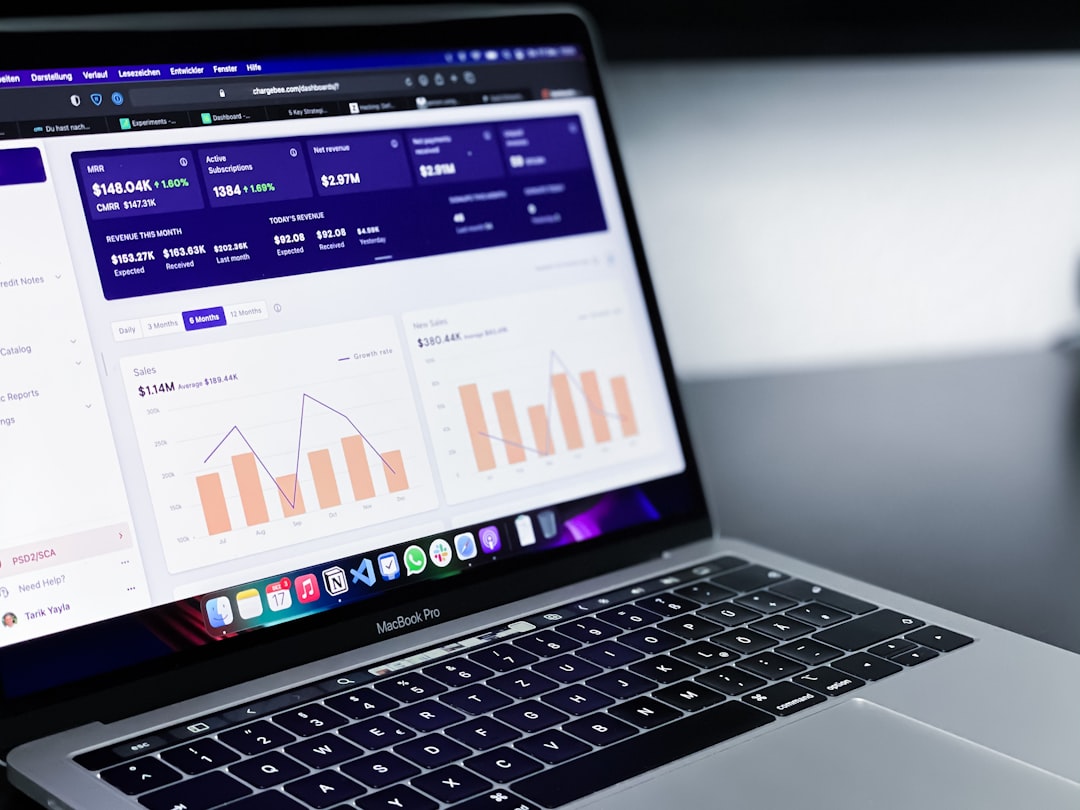
Because of these capabilities, SAP HANA is widely used by multinational corporations in industries such as:
- Banking and financial services
- Insurance
- Manufacturing
- Retail
- Government
Given that Vanguard and BlackRock both operate at a global scale, it’s logical to consider whether HANA fits into their architectural landscape.
What We Know About Vanguard’s Technology Stack
Vanguard is known for its low-cost index funds and long-term investment philosophy. Behind the scenes, however, it runs one of the most sophisticated financial operations in the world.
Publicly available information suggests that Vanguard:
- Invests heavily in cloud infrastructure, particularly AWS
- Develops many of its core systems in-house
- Uses modern data engineering tools for advanced analytics
- Focuses on automation and AI for operational efficiency
There is no official public confirmation that Vanguard uses SAP HANA as its primary database for investment management or trading. However, large enterprise firms often use SAP systems for:
- Finance and accounting
- Human capital management (HR systems)
- Procurement
- Enterprise reporting
It is entirely plausible that SAP HANA could support back-office or enterprise functions without being central to the portfolio management stack.
What About BlackRock?
BlackRock, the world’s largest asset manager, operates the famous Aladdin platform (Asset, Liability, Debt and Derivative Investment Network). Aladdin is a proprietary system combining:
- Risk analytics
- Portfolio management
- Compliance
- Trading tools
- Operations infrastructure
Aladdin is widely understood to be built largely in-house, developed over decades. It integrates data from multiple systems and technologies. Given its complexity and proprietary nature, it is unlikely that SAP HANA serves as the “brain” of Aladdin itself.
However, like many large institutions, BlackRock almost certainly uses enterprise software platforms to manage corporate operations. SAP, including SAP S/4HANA, is commonly deployed by global financial institutions for:
- Corporate financial reporting
- Budgeting and planning
- Global payroll systems
- Supply chain operations
So while SAP HANA may not power Aladdin’s core investment engine, it could reasonably support enterprise-wide systems.
Investment Platforms vs. Enterprise Platforms
To better understand the likelihood of SAP HANA usage, it helps to distinguish between two major technology domains inside asset managers:
1. Front Office (Investment & Trading)
- Portfolio construction
- Real-time pricing feeds
- Risk modeling
- Algorithmic trading
2. Back Office (Enterprise Operations)
- Accounting
- Procurement
- HR
- Regulatory reporting
SAP HANA is exceptionally strong in the back office enterprise domain. For ultra-specialized real-time trading analytics, firms often rely on:
- Custom-built systems
- High-performance distributed computing frameworks
- Specialized financial databases
How SAP HANA Compares to Other Technologies
If we compare SAP HANA to technologies frequently used in capital markets environments, we can better understand where it fits.
| Technology | Primary Use Case | Strength in Financial Sector | Likely Role at Vanguard or BlackRock |
|---|---|---|---|
| SAP HANA | ERP, analytics, enterprise reporting | Excellent for large-scale enterprise operations | Possible back-office support |
| In-house platforms (e.g., Aladdin) | Portfolio and risk management | Highly customized for asset management | Core investment engine |
| Oracle Database | General enterprise database | Common in finance | Potential infrastructure component |
| Cloud data platforms (AWS, Azure) | Scalable storage and analytics | Real-time and big data processing | Heavily used for analytics and modernization |
This comparison highlights that SAP HANA is most aligned with enterprise-wide operations, rather than serving as the specialized trading core of an asset management powerhouse.
Why Large Financial Institutions Don’t Reveal Everything
One reason there is no clear public “yes” or “no” is that firms like Vanguard and BlackRock:
- Consider their technology stack proprietary
- View infrastructure as a competitive advantage
- Operate under strict cybersecurity safeguards
Disclosing detailed architectural diagrams could invite cybersecurity risks or reveal strategic advantages.

Therefore, even if SAP HANA plays a role somewhere in the infrastructure, it may never be officially detailed in public filings.
Is SAP HANA Suitable for Asset Management at Scale?
SAP HANA can handle massive datasets and real-time analytics. In fact, its in-memory capabilities are well suited to:
- Liquidity analysis
- Real-time compliance checks
- Stress testing simulations
- Financial consolidation across regions
For firms managing trillions in assets, real-time analysis is essential. However, dedicated capital markets platforms are often built with highly specialized optimization logic tailored to securities pricing, derivatives modeling, and high-frequency interactions.
That’s why many asset managers adopt a hybrid approach:
- Custom front-office systems for trading and portfolio management
- Enterprise platforms like SAP for back-office integration and reporting
- Cloud infrastructure to scale both
So, Do Vanguard or BlackRock Use SAP HANA?
Here’s the most accurate summary:
- There is no public confirmation that SAP HANA powers their primary investment engines.
- It is highly plausible that SAP products, potentially including HANA, are used for enterprise functions.
- BlackRock’s Aladdin is overwhelmingly described as proprietary and internally developed.
- Both firms rely heavily on modern cloud and custom-built technologies.
If SAP HANA is present, it is likely part of a broader ecosystem rather than the centerpiece of trading or portfolio analytics.
Final Thoughts
Asking whether Vanguard or BlackRock use SAP HANA is really a deeper question about how modern financial giants build and integrate technology. These firms operate at a scale where:
- Off-the-shelf tools alone are rarely sufficient.
- Customization and proprietary innovation are key advantages.
- Enterprise software platforms still play a critical supporting role.
In the end, SAP HANA is powerful, widely adopted, and enterprise-ready. But for firms like Vanguard and BlackRock, technology is never a single product solution. It’s a carefully orchestrated ecosystem — blending proprietary platforms, cloud infrastructure, databases, security layers, and enterprise systems into one seamless operation.
So while SAP HANA may very well be part of the puzzle, it’s almost certainly not the whole picture.

I’m Sophia, a front-end developer with a passion for JavaScript frameworks. I enjoy sharing tips and tricks for modern web development.