You open the NordVPN app, press connect, and expect your internet traffic to route through a secure VPN server. But sometimes it does not work. The app may fail to connect, websites may stop loading, or the VPN disconnects suddenly.
This situation can feel confusing. Still, it usually happens because of network settings, DNS conflicts, or VPN protocol issues. In this guide you will learn what the NordVPN not working problem means, why it happens, how to fix it step by step, and how to prevent future VPN connection problems.
What Is the “NordVPN Not Working” Issue?
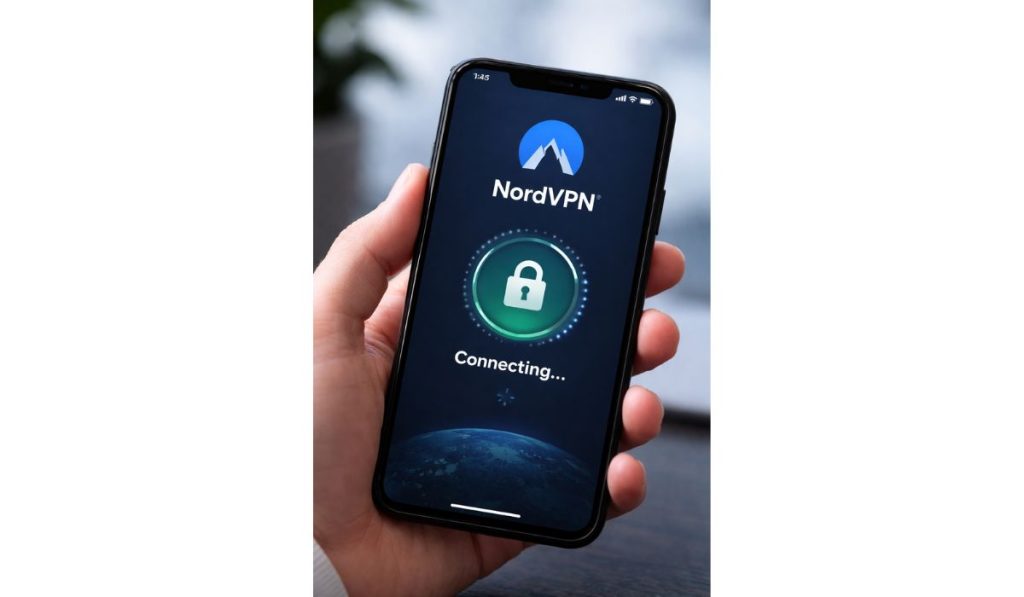
The NordVPN not working issue appears when the VPN application cannot create a secure connection between your device and the NordVPN server network. Normally the service builds an encrypted VPN tunnel using protocols like NordLynx or OpenVPN. This tunnel hides your real IP address and protects internet traffic while browsing websites or using online services.
When the connection fails, the encrypted tunnel cannot form correctly. Because of that, the device cannot send traffic through the NordVPN server infrastructure. Websites may fail to load, streaming services may block access, or the NordVPN client may show connection errors. In most cases the issue comes from network conflicts, DNS problems, firewall restrictions, or unstable internet connectivity.
Users usually notice the issue in the NordVPN desktop app, the NordVPN mobile application, or the browser extension. It may appear on devices such as Windows 10, Windows 11, macOS, Android, or iOS when the VPN fails to connect or disconnects frequently.
Common Causes of NordVPN Not Working
The connection problem can happen for several technical reasons. Sometimes the device network configuration interferes with the VPN tunnel. Other times the issue comes from the internet service provider, firewall software, or outdated application files.
Below are the most common causes of NordVPN connection failure.
- Weak or unstable internet connection from the Wi-Fi router
- Incorrect DNS server configuration that prevents server communication
- Firewall or antivirus software blocking VPN traffic
- Outdated NordVPN application version on the device
- VPN protocol conflicts between NordLynx and OpenVPN
- Internet Service Provider restrictions that limit VPN traffic
- Overloaded or temporarily unavailable NordVPN servers
Each of these conditions can interrupt communication between your device and the NordVPN network infrastructure.
How to Fix NordVPN Not Working?
Fixing this problem often involves checking network settings, refreshing the VPN connection, or updating the NordVPN application. Sometimes the solution is simple, like reconnecting to a different VPN server. Other times you may need to adjust DNS settings or change the VPN protocol.
The following fixes help restore a secure connection between your device and the NordVPN server network.
Fix #1: Restart the NordVPN Application
Temporary glitches inside the NordVPN client software can interrupt the VPN connection. Restarting the application refreshes the service and reloads network settings.
Close the NordVPN app completely. Wait a few seconds. Then open the app again and try connecting to a VPN server.
Fix #2: Check Your Internet Connection
A VPN cannot function without a stable internet connection.
Follow these steps to check your network connection.
- Disconnect from NordVPN.
- Open a website without the VPN enabled.
- If the site does not load, restart your router.
- Wait until the internet reconnects.
- Open NordVPN and connect again.
Once the internet connection stabilizes, the VPN tunnel usually forms without issues.
Fix #3: Change the VPN Server Location
Sometimes a specific NordVPN server location may experience high traffic or temporary downtime. Connecting to another server often solves the issue quickly.
Open the NordVPN app and choose a different server from the server list. Try a nearby location for better network speed and stability.
Fix #4: Switch the VPN Protocol
NordVPN supports multiple protocols including NordLynx and OpenVPN. If one protocol fails to connect, switching to another can restore the VPN connection.
Follow these steps to change the protocol.
- Open the NordVPN settings menu.
- Locate the VPN protocol section.
- Select NordLynx or OpenVPN.
- Save the settings.
- Reconnect to a VPN server.
Changing the protocol refreshes how the VPN tunnel connects to the NordVPN network.
Fix #5: Update the NordVPN Application
Running an outdated VPN application can cause compatibility problems with operating systems and network drivers.
Follow these steps to update the NordVPN app.
- Open the NordVPN application.
- Check the settings menu for updates.
- Download and install the latest version.
- Restart the application.
- Connect to a server again.
Updated software improves security, performance, and connection reliability.
Fix #6: Disable Firewall or Antivirus Temporarily
Security software such as Windows Firewall or third-party antivirus programs can sometimes block VPN traffic. This happens when the firewall identifies the VPN connection as suspicious network activity.
Temporarily disable the firewall or antivirus and try connecting to NordVPN again. If the VPN works afterward, you may need to allow NordVPN traffic inside the firewall settings.
Fix #7: Change the DNS Server
DNS settings control how your device finds websites and servers. If the DNS configuration is incorrect, the VPN may fail to reach NordVPN server addresses.
Follow these steps to change DNS settings.
- Open your computer’s network settings.
- Select the active internet connection.
- Choose manual DNS configuration.
- Enter a public DNS server such as Google DNS.
- Save the changes and reconnect to the VPN.
Improved DNS resolution often restores proper communication with VPN servers.
Fix #8: Reinstall the NordVPN Application
Sometimes application files become corrupted. Reinstalling the software can fix configuration problems.
First uninstall the NordVPN application from your device. Then download the latest version from the NordVPN official website. Install the application again and sign in to your account before connecting to a server.
Prevention Tips to Avoid NordVPN Connection Issues
Preventing VPN problems is easier than fixing them later. Many connection errors occur because of outdated software, unstable internet networks, or incorrect settings.
The following habits help maintain a stable NordVPN connection.
- Keep the NordVPN app updated on all devices
- Use a reliable Wi-Fi router with a stable internet connection
- Switch servers if a specific location becomes slow or overloaded
- Update device operating systems such as Windows, macOS, Android, or iOS
- Monitor firewall and antivirus rules that affect network traffic
- Use recommended VPN protocols such as NordLynx for better performance
- Restart your router occasionally to refresh network connectivity
Following these steps helps maintain smooth communication between your device and the NordVPN server infrastructure.
Conclusion
The NordVPN not working issue usually happens when the VPN cannot create a secure connection between your device and the NordVPN server network. Common causes include unstable internet connections, DNS conflicts, firewall restrictions, or outdated VPN applications.
Most users can solve the problem by restarting the app, switching servers, updating the software, or adjusting network settings. If the problem continues, contacting NordVPN customer support may help identify deeper configuration issues.
Have you faced this VPN problem before? Share your experience in the comments and tell others which fix worked for you. If this guide helped solve the issue, feel free to share it with friends who use NordVPN for secure browsing.

I’ve been into SEO and blogging for over 7 years. I help websites show up higher on search engines. I really enjoy writing helpful guides, especially about gaming and tech stuff.