Fog can turn a normal street into a mystery movie. It hides trees. It softens lights. It makes hills vanish like magic. But fog is not just pretty. It is also tricky. It can block cameras, confuse drivers, and make machines “see” less clearly. This is where fog imaging comes in.
TLDR: Fog imaging is the science of taking and improving pictures in foggy conditions. It helps cameras, cars, ships, drones, and weather teams see better when the air is full of tiny water droplets. Special cameras, smart software, and clever light tricks can reduce haze and reveal hidden details. It is useful, practical, and honestly a little bit magical.
What Is Fog Imaging?
Fog imaging means capturing, studying, or improving images taken in fog. It can also mean using images to understand fog itself. Simple idea. Big job.
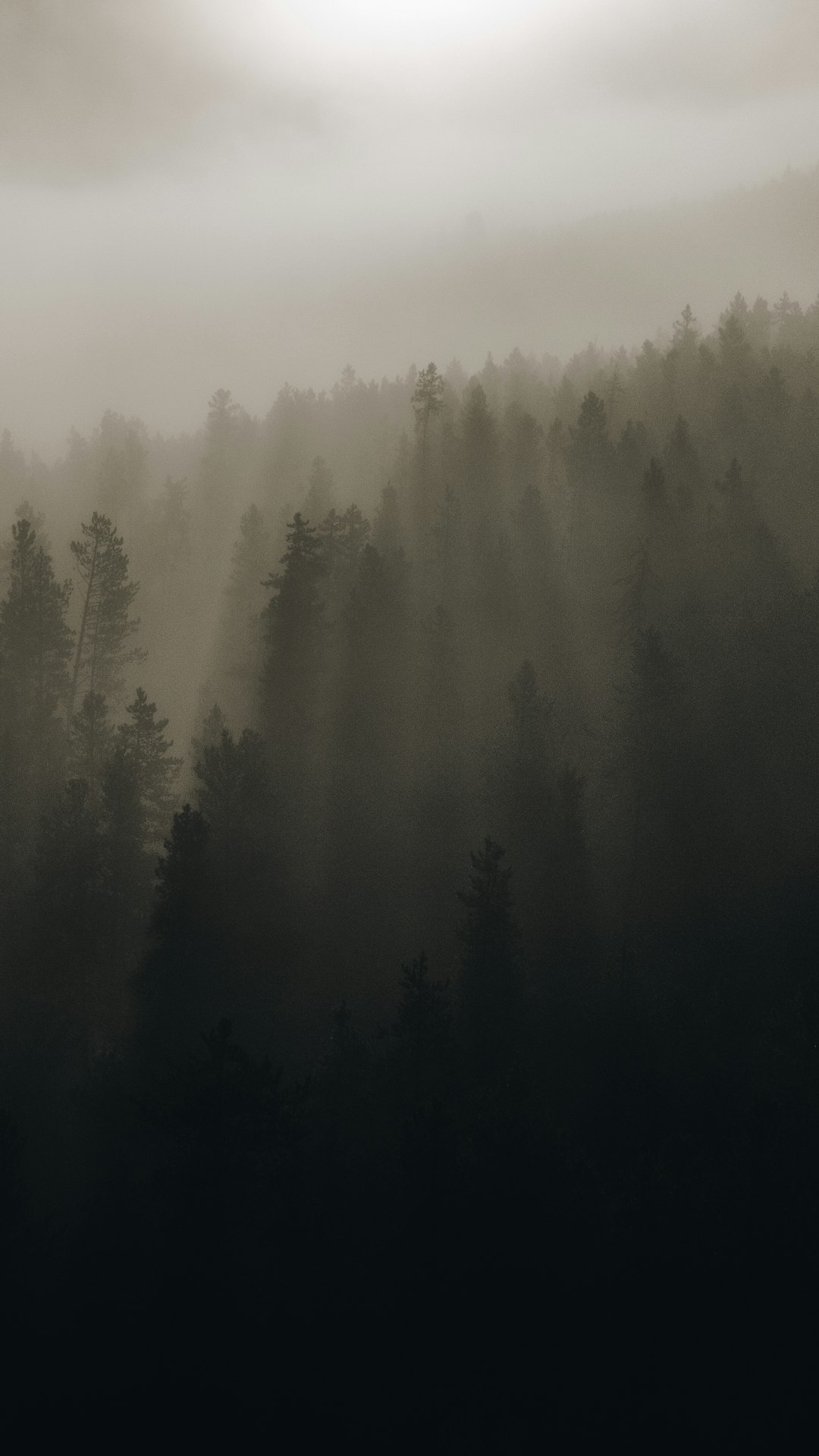
Fog is made of tiny water droplets floating in the air. These droplets scatter light. That means light bounces around instead of moving in a straight line. So cameras get a washed-out view. Objects look pale. Edges look soft. Faraway things may disappear.
Think of shining a flashlight through a glass of milk. The beam spreads. It looks cloudy. Fog does something similar to sunlight, streetlights, headlights, and camera flashes.
Fog imaging tries to solve this problem. It asks: How can we see clearly through the mist? It uses better sensors. It uses smart math. It uses special light. Sometimes it uses all three at once.
Why Is Fog So Hard for Cameras?
Cameras love light. But fog messes with light. It creates three main problems.
- Low contrast: Dark and light areas become too similar.
- Blurred details: Edges become soft and fuzzy.
- Light scattering: Light bounces off droplets and creates a gray veil.
This is why a mountain may look blue and faded in fog. It is also why your phone photo of a foggy sunrise may look flat. Your eye may enjoy the mood. Your camera, however, may panic quietly.
Fog also changes with distance. A nearby sign may be clear. A distant sign may vanish. This makes fog imaging more than just “turn up the brightness.” In fact, turning up brightness can make things worse. The haze gets brighter too.
How Fog Imaging Works
Fog imaging uses several methods. Some happen inside the camera. Some happen after the image is taken. Some happen with special hardware.
Here are the big ideas.
1. Image Dehazing
Image dehazing is a software method. It removes or reduces the foggy look from an image. It tries to recover hidden colors, contrast, and detail.
The software studies the image and guesses how much fog is in each area. Then it adjusts the picture. Faraway parts often need stronger correction. Nearby parts need less.
Modern dehazing can use artificial intelligence. AI models learn from many foggy and clear images. They learn patterns. They learn how fog changes color and contrast. Then they make a clearer version.
It sounds fancy. But the goal is simple: make the image easier to understand.
2. Infrared Imaging
Visible light struggles in fog. But some types of infrared light can do better. Infrared cameras detect light or heat that human eyes cannot see.
Thermal infrared cameras are very useful. They detect heat. A warm person, animal, or engine may stand out even when normal cameras see only gray mist.
This does not mean infrared sees through all fog perfectly. Thick fog can still cause trouble. But it can help a lot in rescue work, driving, and security.
3. Polarization Imaging
Light has a direction when it vibrates. Fog scatters light in ways that can change this direction. Polarization imaging uses filters to study that direction.
This can reduce glare and haze. It is like using polarized sunglasses near water. The filter cuts unwanted scattered light. The scene can look clearer.
Polarization imaging is helpful in outdoor photography, remote sensing, and scientific research. It gives cameras another clue about what is real detail and what is foggy glare.
4. LiDAR and Laser Imaging
LiDAR sends out laser pulses and measures how long they take to return. This creates a 3D map of a scene.
Fog can scatter laser light too. So LiDAR is not invincible. But advanced systems can filter out some fog noise. They can tell the difference between a real object and droplets in the air.
Cars, robots, and drones often use LiDAR with cameras and radar. Each sensor has strengths. Together, they make smarter decisions.
5. Radar Imaging
Radar uses radio waves. These waves can often pass through fog better than visible light. That makes radar useful in bad weather.
Radar does not usually create a normal photo. It creates data about distance, speed, and shape. But that data can be turned into images or maps.
Airports, ships, and some vehicles use radar because it stays useful when the view is poor. Fog may hide a boat from your eyes. Radar may still find it.
Applications of Fog Imaging
Fog imaging pops up in many places. Some are obvious. Some are surprising.
Safer Driving
Fog is dangerous on roads. Drivers may not see curves, cars, people, or animals until it is too late. Fog imaging can help driver assistance systems detect hazards.
Modern cars may use cameras, radar, LiDAR, and thermal sensors. These systems can warn the driver. Some can brake automatically. Some can keep the car in its lane.
Clearer imaging does not replace careful driving. Please do not race into a fog bank like an action hero. But it can add an extra layer of safety.
Aviation
Planes need good visibility for landing and takeoff. Fog can delay flights. It can also create safety risks.
Airports use radar, infrared systems, runway sensors, and weather cameras. These tools help pilots and control towers understand conditions. Better imaging can support safer decisions during low visibility.
Marine Navigation
Fog at sea is serious. Ships may not see other vessels, rocks, buoys, or shorelines. That is why marine systems use radar and thermal imaging.
A fishing boat in fog needs more than a pretty compass. It needs reliable eyes. Fog imaging helps prevent collisions and supports search teams on water.
Search and Rescue
When someone is lost in fog, time matters. Normal cameras may not help enough. Thermal cameras can spot body heat. Drones can scan wide areas. AI can highlight shapes that look like people.
This is one of the most powerful uses of fog imaging. It can help rescuers find hikers, boaters, or crash victims faster.
Weather Science
Scientists use fog imaging to study how fog forms and moves. They can track droplet size, density, height, and spread.
This helps improve weather forecasts. It also helps airports, farms, and transport systems plan ahead. Fog may look dreamy. But for weather experts, it is data with a fluffy costume.
Security and Surveillance
Security cameras can struggle in fog. A person or vehicle may become a shadowy blob. Fog imaging helps improve visibility around buildings, borders, ports, and industrial sites.
Thermal cameras are especially useful here. They can detect heat signatures even when normal cameras are limited.
Photography and Film
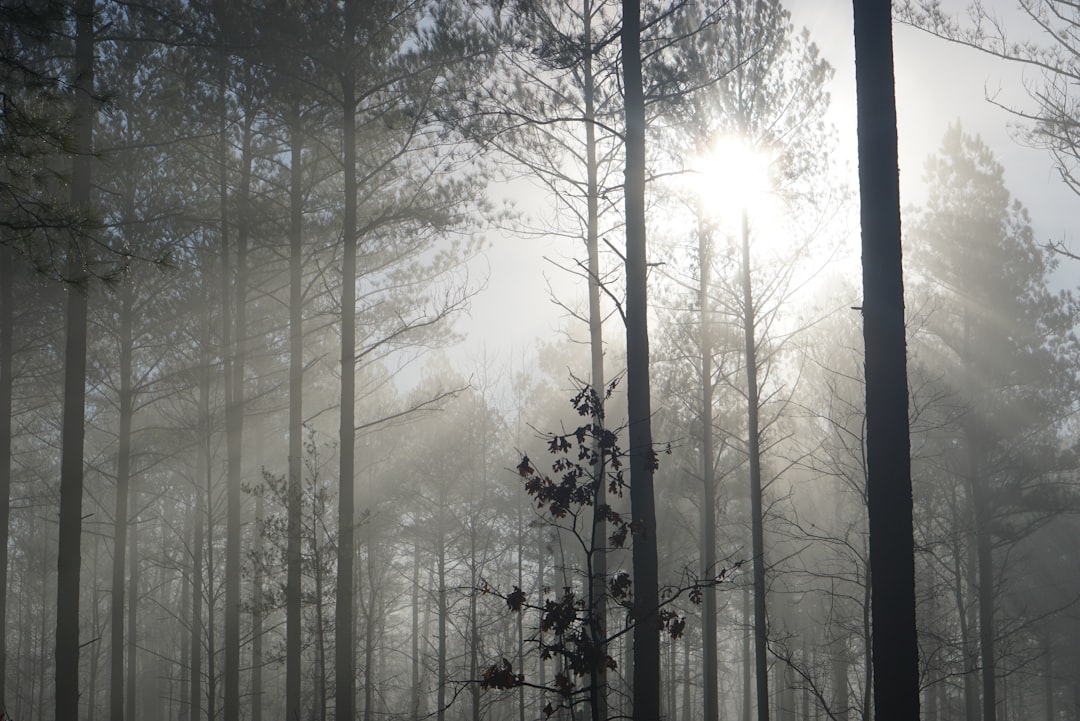
Fog is a gift for artists. It creates mood. It adds mystery. It makes a forest look enchanted. It makes a city street look cinematic.
Photographers also use fog imaging techniques. They may adjust contrast, use filters, or edit haze in software. Sometimes they remove fog. Sometimes they add more drama. Both are valid. Art gets to be cheeky.
Benefits of Fog Imaging
Fog imaging has many benefits. The biggest one is simple: better visibility.
- Improves safety: It helps people see hazards sooner.
- Supports automation: Cars, drones, and robots can make better choices.
- Saves time: Airports, ports, and roads can operate with better information.
- Helps rescue teams: Thermal and AI imaging can find people faster.
- Improves photos: Dehazing can make images clearer and more colorful.
- Boosts science: Researchers can measure and track fog more accurately.
Another benefit is confidence. In fog, people feel uncertain. Machines also become less certain. Good imaging reduces the guesswork.
Common Fog Imaging Techniques
Let us look at a few practical techniques in a simple way.
Contrast Enhancement
This method makes dark parts darker and light parts lighter. It helps bring back shape and depth. But it must be used carefully. Too much contrast can make an image look fake.
Color Correction
Fog can make colors look dull or blue-gray. Color correction restores more natural tones. Grass becomes greener. Signs become brighter. The world stops looking like soup.
Depth Estimation
Fog gets thicker with distance. Software can estimate how far objects are. Then it applies stronger dehazing to far areas and lighter dehazing to near areas.
Multi Sensor Fusion
This means combining data from several sensors. A camera may show color. Radar may show distance. Thermal imaging may show heat. LiDAR may show shape.
When combined, the system gets a richer view. It is like asking four friends what they saw. Each friend notices something different.
AI Based Enhancement
AI can learn how fog affects images. It can then rebuild cleaner-looking scenes. This is useful for self-driving cars, security systems, and photo editing.
But AI must be tested carefully. It should not invent important details that are not really there. In safety systems, truth matters more than beauty.
Challenges in Fog Imaging
Fog imaging is not perfect. Fog can be thin, thick, patchy, moving, wet, cold, or mixed with smoke and dust. That makes every scene different.
Here are some hard parts.
- Very dense fog: Some scenes simply do not contain enough visible information.
- Changing light: Headlights, streetlights, and sunlight can confuse cameras.
- False details: Software may sharpen noise and make it look real.
- Sensor limits: Infrared, radar, and LiDAR all have weaknesses.
- Cost: Advanced sensors can be expensive.
This is why the best systems use several methods together. There is no single magic camera. There is a toolbox.
Everyday Tips for Taking Photos in Fog
You do not need a science lab to take better fog photos. Try these simple tips.
- Get close to your subject: Less distance means less fog between you and it.
- Use manual focus: Autofocus may hunt in low contrast.
- Expose carefully: Fog can trick your camera into making images too dark.
- Look for silhouettes: Trees, people, and buildings can look amazing.
- Add contrast later: Editing can help bring out hidden details.
- Protect your gear: Fog is moisture. Keep your camera dry.
Also, be patient. Fog changes fast. A dull scene can become magical in ten seconds. Then it can become gray oatmeal again. That is part of the fun.
The Future of Fog Imaging
Fog imaging will keep improving. Cameras will become smarter. Sensors will become cheaper. AI models will become better at understanding weather.
Self-driving vehicles will need strong fog vision. Drones will need it too. Emergency teams will use faster thermal systems. Weather networks will use more cameras and sensors to track fog in real time.
We may also see better phone camera tools. One day, your phone may have a “fog clarity” button that works beautifully. Or a “make this forest look like a fantasy movie” button. Honestly, both sound great.
Final Thoughts
Fog imaging is all about seeing through the soft gray curtain. It uses cameras, infrared, radar, LiDAR, polarization, and AI to reveal what fog tries to hide.
It helps cars drive safer. It helps ships avoid danger. It helps rescuers find people. It helps scientists study weather. It also helps photographers create moody, beautiful images.
Fog may be mysterious. But with the right imaging techniques, it becomes less of a wall and more of a puzzle. And puzzles are much more fun when you can actually see the pieces.

I’m Sophia, a front-end developer with a passion for JavaScript frameworks. I enjoy sharing tips and tricks for modern web development.