Let’s be real. If your website feels slow, buggy, or just “off” lately, you’re not imagining it.
Pages take longer to load. Traffic is flat. Sales or leads aren’t keeping up with the effort you’re putting in.
You probably tried the usual tricks: compress images, clean up plugins, tweak SEO. Maybe even threw together a redesign.
And maybe that helped a little. But here’s the kicker most business owners don’t consider: it could be the server.

Before you rework your whole marketing plan again, it’s worth taking a step back and thinking about hosting. The right server can literally make or break your website’s performance — and it might just be the right time to find the right server for your needs.
The Quiet Signs Your Server Is Holding You Back
Servers rarely scream, “Help! I’m overloaded!”
Instead, they whisper:
- Pages are slower than they used to be.
- Mobile users leave faster than desktop visitors.
- Campaigns bring clicks, but no one’s buying.
- Your team notices little hiccups in the admin panel.
It’s like your website is running a marathon with ankle weights you didn’t know you were wearing. It’s frustrating and invisible until someone points it out.
When “It Still Works” Isn’t Good Enough
A lot of businesses stick with the same hosting plan for years because “nothing is broken.” But working and working well are totally different.
- Does your site slow down during sales or busy periods?
- Does your developer suggest clever fixes instead of permanent solutions?
If you answered yes, your server might be the hidden bottleneck. Think of it like a restaurant kitchen that’s understaffed—you can hire a new chef, but if there aren’t enough ovens, orders will still back up.
Why Hosting Is Usually the Last Thing People Upgrade
Most business owners ignore hosting because it works quietly in the background—until it doesn’t.
Redesign websites, adjust marketing, redo copy… but hosting gets overlooked. That’s why even beautiful sites can feel slow.
Upgrading hosting early saves headaches and unlocks the performance potential of everything else you’re doing online.
What a Server Really Is
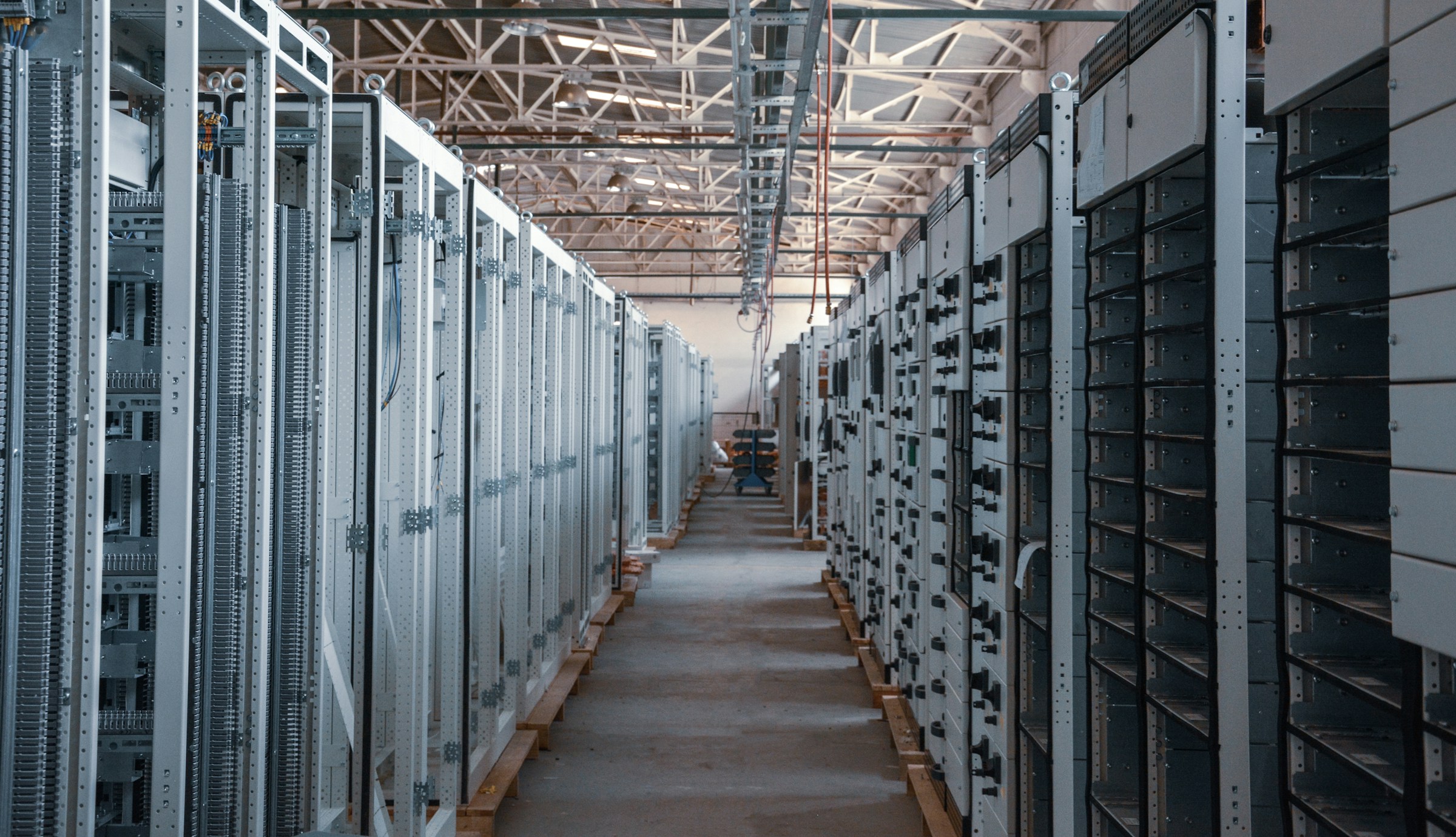
Simply put, a server is the computer that lives in a data center and runs your website 24/7.
Every time someone clicks a page, it grabs files and sends them back.
If the server is overloaded or sharing space with too many other sites, it slows down. Your site might look fine, but it feels sluggish. And visitors notice. Fast.
Why Speed Matters for Sales and Google Rankings
Google cares about speed. Your users care even more.
Slow pages = frustrated visitors = abandoned carts and lost leads.
Even one extra second in load time can affect conversions. If your website generates revenue, speed isn’t optional. It’s part of the business.
The Three Hosting Setups Most Websites Use
Shared Hosting
This is the “starter pack.” Your site shares a server with many others.
It’s cheap, sure. But here’s the catch:
- If a neighbor’s site gets viral traffic, your pages slow down.
- If a neighbor gets hacked or misconfigured, your site might be exposed.
- You have limited control over security and server settings.
Shared hosting is fine for small blogs or hobby projects. But once your business depends on your website, it can start feeling risky.
VPS Hosting
VPS (Virtual Private Server) hosting gives your website its own slice of a server. More control, more stability.
Still, the server is technically shared. A spike elsewhere or a hardware problem can still affect you. Many growing businesses hit this wall when traffic spikes or features get heavier.
Dedicated Server Hosting
Here’s where things get serious. Your website gets the whole machine to itself.
- No neighbors.
- No resource sharing.
- Full control and consistency.
This is what businesses use when their website is mission-critical—when downtime or slow pages cost money, leads, or credibility.
Why Dedicated Servers Feel Different
Dedicated hosting is like having a VIP lane for your website.
- No competition for resources.
- Traffic spikes don’t slow your pages.
- Your site feels reliably fast, all the time.
Basically, it just works—and that’s exactly what your users want.
Why Businesses Make the Switch
Your Customer Data Is Safer
Shared servers are crowded neighborhoods. If another site is hacked or has security issues, your data could be at risk—even if your site is secure.
Think about it like this: one neighbor leaves their gate unlocked, and suddenly the whole block is vulnerable. With a dedicated server, your site has its own “fenced yard.” You control who gets in, and the risk from other sites disappears.
Your Site Stays Fast All Day
Shared hosting is like rush-hour traffic. When another site gets busy, everyone slows down. That can mean checkout pages take longer to load or images hang halfway. Customers notice—even if they don’t know why.
Dedicated hosting dedicates all server resources to your site. Pages load quickly and consistently, whether it’s midnight or noon. That consistency keeps visitors happy and reduces lost revenue.

Busy Periods Stop Being Stressful
Think about launching a sale or a new product. On shared hosting, spikes in traffic can crash your site. Panic mode: activated.
Dedicated hosting handles those peaks gracefully. You can promote your product, run campaigns, and not worry about the site going down. It’s like hiring extra staff for your busiest shifts—the work just gets done.
Fewer Random Issues
Many shared hosting problems come from other sites:
- Malware infections
- Bad plugins
- Heavy traffic
Dedicated hosting removes these surprises. Your website’s performance depends only on you, your traffic, and your setup. Fewer surprises mean fewer lost sales and happier customers.
The Mental Load of an Unreliable Website
Slow or unpredictable websites are stressful. You check constantly, hesitate on campaigns, and worry about downtime.
Dedicated hosting lifts that weight. You can trust the site to perform, freeing your energy for growing your business instead of firefighting tech problems.
Dedicated Hosting vs Endless Optimization
Some business owners try to avoid upgrading by endlessly optimizing:
- Smaller images
- Fewer scripts
- Heavy caching
It helps, but eventually, the server itself becomes the limit. Dedicated hosting removes that ceiling, letting your website perform at its full potential. No more workarounds, no more guessing.
How Much Does Dedicated Hosting Really Cost?
Dedicated servers cost more than shared hosting, but here’s what you’re looking at:
- Base price: $80–$150/month for entry-level, $200–$400/month for mid-range, $500+ for high-performance.
- Managed hosting: +$100–$300/month if you want the provider to handle updates, monitoring, and security.
- Migration: $50–$500 if you hire someone to move your site safely.
- Maintenance/IT support: $500–$2,000/month if you need someone on your team to manage the server.
Yes, it adds up—but faster pages, fewer crashes, and more reliable traffic often pay for themselves in sales and peace of mind.
How to Choose the Right Dedicated Server
Don’t Chase Big Specs
Bigger doesn’t always mean better. A modern, properly configured server often outperforms a giant but outdated one.
Ask what fits your website, not what looks impressive.
Leave Room to Grow
Likewise, you don’t want to pick a server that’s too small or too rigid, either. Running a server at 100% capacity all the time leads to slowdowns, crashes, and frustrated users. It’s like packing a suitcase so tightly that nothing fits easily—every time you add something new, it creates stress.
Extra breathing room keeps things smooth as your website grows. Traffic spikes, marketing campaigns, and new features won’t bring everything to a halt.
Storage Speed Matters
Fast storage affects page load times, checkout speed, and even admin dashboard performance. It’s a small detail with a big impact on users and your team.
Host Close to Your Customers
Distance matters. Hosting closer to your main audience reduces lag and improves their experience. Most of your customers in the U.S.? Host there. Europe? Host there.
Managed vs Unmanaged Hosting
Unmanaged hosting assumes you’ll fix problems yourself. Managed hosting means someone else handles updates, monitoring, and emergencies.
Generally, dedicated servers require attention, from occasional updates and patches, continual monitoring for performance, to troubleshooting when things go wrong.
If you don’t have a tech team, managed hosting is a smart choice. It costs a little more, but avoids big problems and keeps your site running smoothly.
For most business owners, the peace of mind is worth it.
Switching Without Downtime
Moving to a dedicated server doesn’t have to disrupt your business. With proper planning, migration happens in the background. Customers never notice, operations continue smoothly, and your team can breathe easy.
What You’ll Notice After the Switch
The first thing you notice is calm:
- Fewer complaints
- Fewer support tickets
- No more “Why is the site slow?” moments
Then comes speed. Consistent, predictable speed. Your website stops being a stress point and starts being a reliable business tool.