In today’s highly connected and fast-paced business environments, grabbing and holding attention is more challenging than ever. With constant digital distractions, it’s crucial for organizations to utilize tools that not only capture attention but also effectively communicate key messages. Enter digital signage—a modern solution that’s turning traditional communication methods on their head.
TL;DR: Digital signage is a powerful tool for enhancing engagement and improving communication in business environments. It offers real-time content updates, personalized messaging, and visual appeal that traditional communication methods lack. Whether used for internal communication among employees or customer engagement in public spaces, businesses find digital signage to be highly effective and scalable. Implementing this technology strategically can lead to better information retention, improved employee morale, and enhanced customer experiences.
What Is Digital Signage?
Digital signage refers to the use of electronic displays such as LCD, LED, or projection screens to showcase multimedia content in real time. These signs can show anything from advertisements and news to informational updates and dashboards. The key feature is real-time, dynamic content that can be tailored to suit different audiences and objectives.
Why Engagement Matters in Business Settings
Whether you are dealing with employees, clients, customers, or stakeholders, engagement drives action. In the workplace, engaged employees are more productive and satisfied. In customer-facing roles, higher engagement often means stronger brand loyalty and increased sales. Traditional posters and email bulletins simply don’t cut it anymore when trying to connect with modern audiences. This is where digital signage excels.
How Digital Signage Enhances Business Communication
Digital signage transforms how messages are shared in business settings. Here’s how it enhances communication:
- Instant Updates: Information can be updated remotely and immediately, ensuring your audience always sees the most current data.
- Multimedia Messaging: Combine text, images, and video to make messages more compelling and easier to understand.
- Audience Targeting: Tailor messages based on time of day, location, or even audience demographics.
- Consistency: Roll out consistent messaging across all locations, ensuring everyone sees the same information.
- Automation: Schedule messages and updates in advance to reduce manual effort and human error.
Boosting Engagement with Visual Appeal
Humans are visual creatures, and digital signage taps into this natural preference by using dynamic visual content rather than static text. Animations, videos, and vibrant images catch the eye more effectively than paper posters or plain emails.
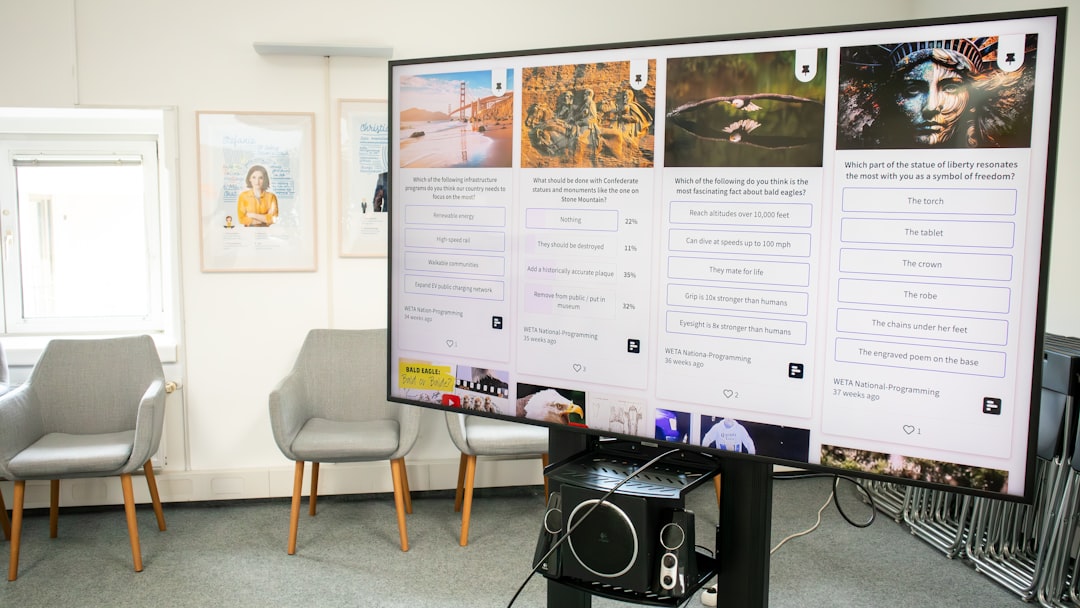
Interactive screens can take this engagement a step further by inviting viewers to participate in surveys, explore product catalogs, or even play branded games—all of which create memorable experiences that deepen engagement.
Use Cases in the Workplace
Digital signage is surprisingly versatile. Here are some common business use cases:
1. Internal Communication
In large organizations, coordinating communication can be a logistical nightmare. Digital signage helps by displaying:
- Company news and announcements
- Employee recognition and achievements
- Safety procedures and emergency alerts
- Live performance dashboards for sales or KPIs
This ensures that employees, regardless of department or location, stay informed and aligned with company goals.
2. Customer Engagement
Retailers, banks, restaurants, and other customer-facing businesses use digital signage to:
- Promote current deals and new products
- Entertain customers while waiting in queues
- Share helpful tips or how-to content
- Display user reviews and testimonials in real time

Such timely and relevant content increases the time customers engage with the brand and can boost conversions on promoted items.
3. Training and Onboarding
Using digital signage in training rooms to show videos, HR policies, and onboarding materials reduces the need for printed workbooks. It also ensures information remains consistent and can be updated as needed without reprinting costs.
Digital Signage in Remote and Hybrid Workplaces
Digital signage isn’t just limited to physical offices. With improvements in cloud-based content management systems, it’s now feasible to integrate screens in home office settings or smaller satellite locations. This ensures hybrid teams remain in sync, receiving the same updates, reminders, and motivational content as their on-site colleagues.
Businesses can also use digital displays in break rooms or lounges as informal hubs for culture-building—highlighting birthdays, sharing trivia, or even curating playlists that improve workplace mood and cohesion.
The Psychology Behind Digital Displays
Part of the effectiveness of digital signage lies in its appeal to cognitive psychology. Studies show that visual information is processed 60,000 times faster than text in the human brain. Multimedia content also aids memory retention significantly. This means that employees or customers are more likely to remember a digital signage message than one they receive in a plain-text format.
Behavioral Reinforcement
Repeating the same message in a visually engaging way reinforces behavioral changes. For example, a safety message that scrolls across a screen each morning subtly ingrains itself into an employee’s routine awareness.
Measuring Success: Analytics and ROI
Unlike printed notices or static bulletin boards, digital signage platforms often come with built-in analytics tools. These systems track impressions, engagement times, and interaction rates (if interactive elements are used). Businesses can analyze this data to:
- Fine-tune content strategies
- Test which types of messages yield higher response
- Allocate resources more effectively
Additionally, replacing print media with digital signs can reduce costs over time—fewer posters to design and print, fewer announcements to physically paste or distribute, and less downtime when rolling out updates across the organization.
Challenges and Considerations
Despite its benefits, digital signage isn’t entirely foolproof. Businesses must be mindful of:
- Content Fatigue: Repeating the same content for too long can lead to disinterest. Keep it fresh and timely.
- Technical Reliability: Screens must be maintained properly; outages or glitches undermine trust in the system.
- Privacy Compliance: Displays in public spaces should avoid showing sensitive or personal information.
Having a solid content management plan and responsible IT support will minimize these issues and enhance the overall user experience.
Getting Started with Digital Signage
Adopting digital signage doesn’t have to be an expensive or complicated endeavor. Many businesses begin with a single display in a high-traffic area using cloud-based platforms that manage content via web browsers. Some best practices when launching a digital signage initiative include:
- Start Small: Use one or two screens to test what works best with your team or customers.
- Train Your Team: Ensure someone owns the content creation and scheduling tasks.
- Stay Consistent: Use your brand’s colors, fonts, and messaging style for professional appearance.
- Keep It Relevant: Content should align with goals, whether that’s boosting morale or driving sales.
Conclusion: A Smart Investment in the Future
Digital signage is much more than a flashy way to share information—it is a strategic communication tool that bridges gaps in engagement and helps organizations operate more efficiently. By combining real-time content updates with visually compelling design, businesses of all sizes can foster loyalty, increase productivity, and ensure messages stick with their audiences.
As digital signage solutions become more accessible and flexible, it’s the right time for forward-thinking organizations to embrace this dynamic technology and reimagine how they communicate across every level of their business.

I’m Sophia, a front-end developer with a passion for JavaScript frameworks. I enjoy sharing tips and tricks for modern web development.