Streaming platforms that offer free access to movies and TV shows continue to attract millions of users worldwide. One name that frequently appears in online searches is SoaperTV. Promoted as a free streaming alternative, the platform raises important questions about safety, data privacy, and device security. Before using any unofficial streaming service in 2026, it is essential to carefully evaluate the risks and technical implications.
TLDR: SoaperTV operates in a legal gray area and often relies on third-party hosting sources, which can expose users to security and privacy risks. While the site itself may load without immediate harm, intrusive ads, tracking scripts, and potential malware redirects remain concerns. Performance can vary significantly depending on mirror sites and server stability. Users should exercise caution, consider legal alternatives, and implement strong cybersecurity protections if accessing such platforms.
What Is SoaperTV?
SoaperTV is known as a free streaming website that provides access to movies and television series without requiring a paid subscription. Unlike licensed platforms such as Netflix or Amazon Prime Video, SoaperTV typically does not host content directly. Instead, it aggregates video streams from third-party providers.
This operational model has several implications:
- Content licensing is often unclear or absent.
- Revenue is usually generated through advertising networks.
- Streams may be embedded from external and potentially unverified sources.
Because of these factors, evaluating safety requires examining not only the website itself but also the ecosystem of ads, pop-ups, trackers, and embedded players.
Is SoaperTV Legal in 2026?
Legality plays a crucial role in assessing safety. In most jurisdictions, streaming copyrighted content without proper authorization falls into a legal gray area or is explicitly illegal. While enforcement priorities vary by country, users may still expose themselves to:
- ISP monitoring
- DMCA warnings or copyright notices
- Restricted access orders issued to internet providers
Although individual viewers are rarely prosecuted compared to distributors, accessing unauthorized streams can violate local copyright laws. This legal ambiguity is one of the primary risk factors associated with SoaperTV.
Security Risks: Can SoaperTV Harm Your Device?
One of the most pressing concerns in 2026 is cybersecurity. Free streaming sites commonly rely on aggressive ad networks, some of which are poorly regulated. These networks may deliver:
- Malicious redirects
- Phishing pages disguised as login prompts
- Drive-by download attempts
- Fake “Update Your Player” pop-ups
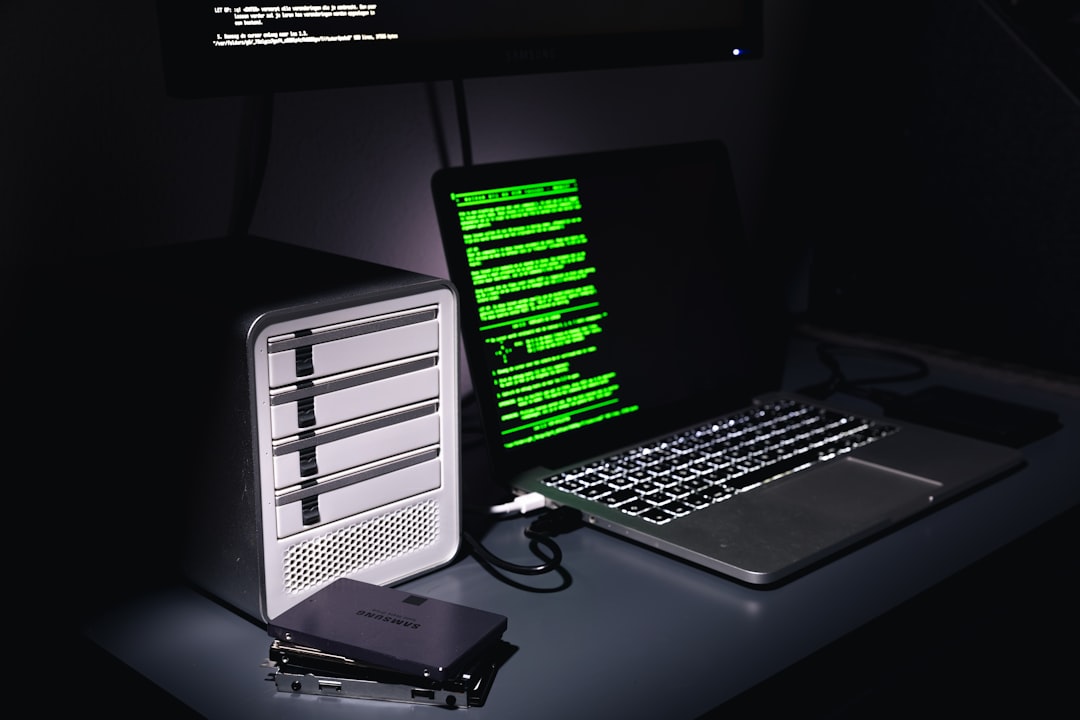
Even if SoaperTV itself does not intentionally distribute malware, third-party ad scripts can introduce vulnerabilities. Clicking the wrong banner or interacting with deceptive pop-ups can lead to compromised systems.
Key Security Concerns Include:
- Malvertising: Ads containing hidden malicious code.
- Exploit kits: Scripts targeting outdated browsers or plugins.
- Rogue browser extensions: Fake add-ons that harvest browsing data.
Users who maintain updated operating systems, disable unnecessary browser plugins, and use reputable antivirus solutions significantly reduce—but do not eliminate—these risks.
Privacy Concerns: What Data Might Be Collected?
Privacy is another major factor to evaluate. Many free streaming platforms collect user data either directly or indirectly through embedded advertising trackers.
Typical data collection methods may include:
- IP address tracking
- Browser fingerprinting
- Location approximations
- Device type and OS details
- On-site behavior monitoring
Unlike reputable subscription services, unofficial platforms often lack transparent privacy policies or regulatory oversight. This means users have limited clarity regarding:
- How long data is stored
- Who has access to it
- Whether it is sold to third parties
In 2026, with increasing global awareness of digital rights, these privacy gaps present a significant concern. Even if streaming itself seems harmless, background tracking processes may compromise anonymity.
Does Using a VPN Make SoaperTV Safe?
Many users rely on Virtual Private Networks (VPNs) to hide their IP addresses while accessing streaming sites. While a VPN can enhance privacy by masking your location and encrypting traffic, it does not make unsafe websites inherently secure.
A VPN can:
- Encrypt internet traffic
- Prevent ISP monitoring
- Reduce location-based tracking
However, it cannot:
- Block malicious pop-ups by itself
- Prevent phishing scams
- Guarantee immunity from copyright laws
For enhanced protection, a VPN should be combined with a secure browser, ad-blocking extensions, and updated antivirus software.
Performance Review: Speed, Quality, and Stability
When it comes to performance, SoaperTV’s results are inconsistent. Because it relies on third-party hosting providers, stream quality can fluctuate widely.
Performance Factors to Consider:
- Server Reliability: Links may break or disappear without warning.
- Buffering Speed: High traffic periods often slow streams.
- Resolution Availability: Some links offer HD, others only standard definition.
- Ad Intrusion: Excessive pop-ups negatively affect playback experience.
In comparison to licensed streaming platforms, SoaperTV typically lacks adaptive bitrate optimization, consistent subtitle integration, and stable content delivery networks (CDNs). For users with slower internet connections, interruptions are common.
User Experience in 2026
Interface design matters when evaluating functionality. SoaperTV generally offers a straightforward layout with search and category filters. However, usability often competes with monetization mechanisms.
Users frequently report:
- Frequent pop-up ads
- Redirect loops
- Fake download buttons
- Misleading play icons
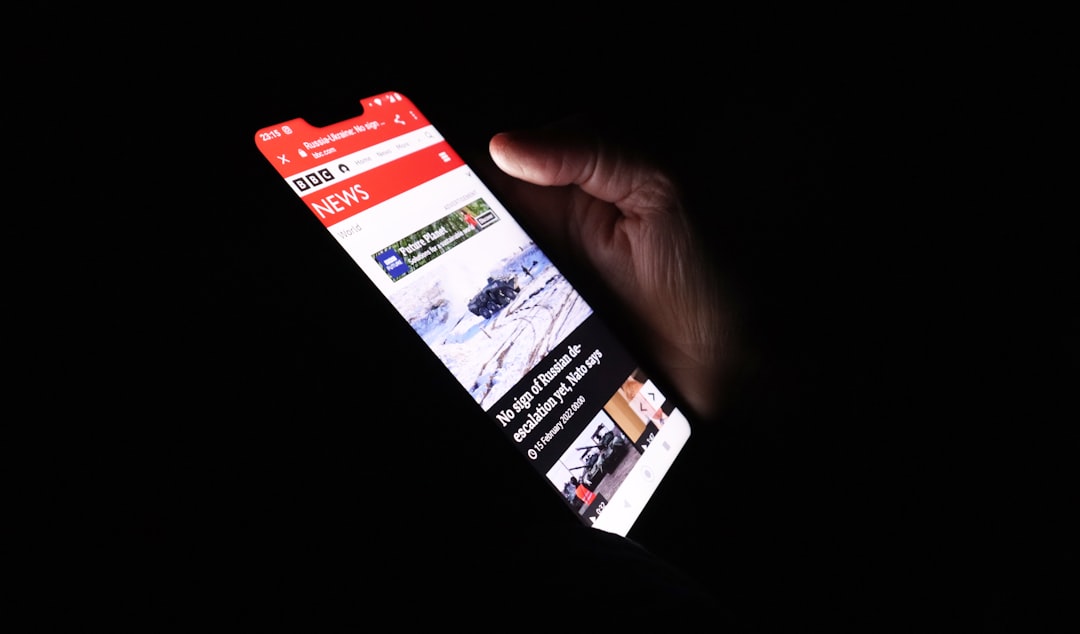
These design patterns, sometimes referred to as dark patterns, increase the likelihood of accidental clicks. From a cybersecurity perspective, this significantly elevates user risk.
Mobile Safety: Is SoaperTV Riskier on Smartphones?
Mobile users may face additional vulnerabilities. Smartphone browsers often lack the same level of extension-based protection available on desktop systems.
Risks on mobile devices include:
- Forced redirects to app download scams
- Premium SMS subscription traps
- Fake system alerts
Because mobile operating systems increasingly sandbox applications, direct malware infection is less common than on older desktop systems. However, social engineering attacks remain effective.
How to Reduce Risk If Accessing SoaperTV
While the safest approach is to use licensed streaming services, individuals who still choose to access free streaming sites should follow strict best practices:
- Use a reputable antivirus program with real-time protection.
- Install a trusted ad blocker to reduce malvertising exposure.
- Keep your browser and operating system fully updated.
- Never download “required” media players from pop-ups.
- Avoid creating accounts or providing personal information.
- Disconnect immediately if suspicious download prompts appear.
Layered security is critical. Relying on a single protective measure is insufficient in today’s evolving threat landscape.
Safer Alternatives to Consider
In 2026, numerous legal streaming services offer affordable subscription models, ad-supported tiers, or even free licensed content. Platforms such as ad-supported streaming networks and public domain libraries provide legitimate options without exposing users to unnecessary risk.
These services generally offer:
- Encrypted data transmission
- Transparent privacy policies
- Reliable customer support
- Consistent HD and 4K streaming
- Parental controls and enhanced accessibility
Although they may require payment or limited advertisements, the trade-off is significantly improved safety and reliability.
Final Verdict: Is SoaperTV Safe To Use in 2026?
From a technical and cybersecurity standpoint, SoaperTV cannot be considered fully safe. While simply visiting the site may not immediately infect a device, the cumulative risks associated with third-party advertising networks, privacy tracking, inconsistent legal protections, and unstable streaming servers make it a potentially unsafe environment.
Users concerned about privacy, device integrity, and legal exposure should approach such platforms with caution. The absence of transparent governance and regulatory oversight means responsibility for safety falls almost entirely on the individual user.
In an era where digital threats are increasingly sophisticated, choosing legitimate streaming services remains the most secure and reliable option. Free access may seem appealing, but when evaluated through the lenses of security, privacy, and performance, SoaperTV presents more risk than assurance.
Ultimately, informed decision-making and strong cybersecurity hygiene are essential when navigating any unofficial online streaming platform.

I’m Sophia, a front-end developer with a passion for JavaScript frameworks. I enjoy sharing tips and tricks for modern web development.