Nestled in the affluent enclave of Woodside, California, stood a grand example of early 20th-century architecture: the Jackling House. For decades, this Spanish Colonial Revival mansion was more than just a residence—it became a lightning rod for debates on historical preservation, technological legacy, and the evolution of Silicon Valley. Perhaps most famously, it was the home (and later target for demolition) of one of the world’s most influential tech visionaries, Steve Jobs.
TLDR:
The Jackling House, a historic Spanish Colonial Revival mansion built in 1925, became known not just for its architectural beauty but for its association with Steve Jobs. Jobs bought the home in 1984 but later sought to demolish it, sparking a long legal battle with preservationists. Though the house was eventually demolished in 2011, its story brings attention to the tension between historical preservation and modern innovation. It remains a symbolic intersection of past grandeur and forward-looking ambition.
The Origins of the Jackling House
The house was originally commissioned by Daniel Cowan Jackling, a self-made mining magnate and early innovator in the copper industry. Built in 1925 and designed by renowned California architect George Washington Smith, the mansion embodied the lush details and flowing elegance of the Spanish Colonial Revival style. From terracotta roof tiles to intricately hand-painted beams and wrought iron fixtures, the structure was a work of art meant to last generations.
Sitting on six acres of prime Silicon Valley real estate, the Jackling House was a sprawling 17,000-square-foot property. It boasted:
- 14 bedrooms
- 13.5 bathrooms
- Multiple courtyards and terraces
- A lavish home theater and music room

Jobs Moves In: A Tale of Contrast
When Steve Jobs purchased the Jackling House in 1984, it marked a stark contrast between old-world luxury and the minimalist, sleek sensibilities that he would champion through Apple. Jobs lived in the house with his family for nearly a decade before moving out and letting the home fall into disrepair. By the early 2000s, Jobs argued that the mansion was unsalvageable and outdated, not aligned with his vision of simplicity and innovation.
To many observers, Jobs’ distaste for the opulent estate reflected his broader design ethos. His commitment to clean lines and purposeful innovation clashed with the indulgent trimmings of the 1920s mansion. He famously referred to the house as “an abomination,” further fueling a highly publicized debate about its future.
The Legal Battles: Preservation vs. Progress
In 2004, Steve Jobs applied for permission to demolish the Jackling House and replace it with a smaller, more modern residence. His request triggered an outcry from historical preservationists who argued that the home was an architectural treasure worthy of restoration. A non-profit group called “Uphold Our Heritage” filed a lawsuit to prevent its demolition.
The legal battle went on for nearly seven years, with arguments touching on:
- The historical and cultural value of early California architecture
- The principle of property rights
- The environmental impact of demolition versus restoration
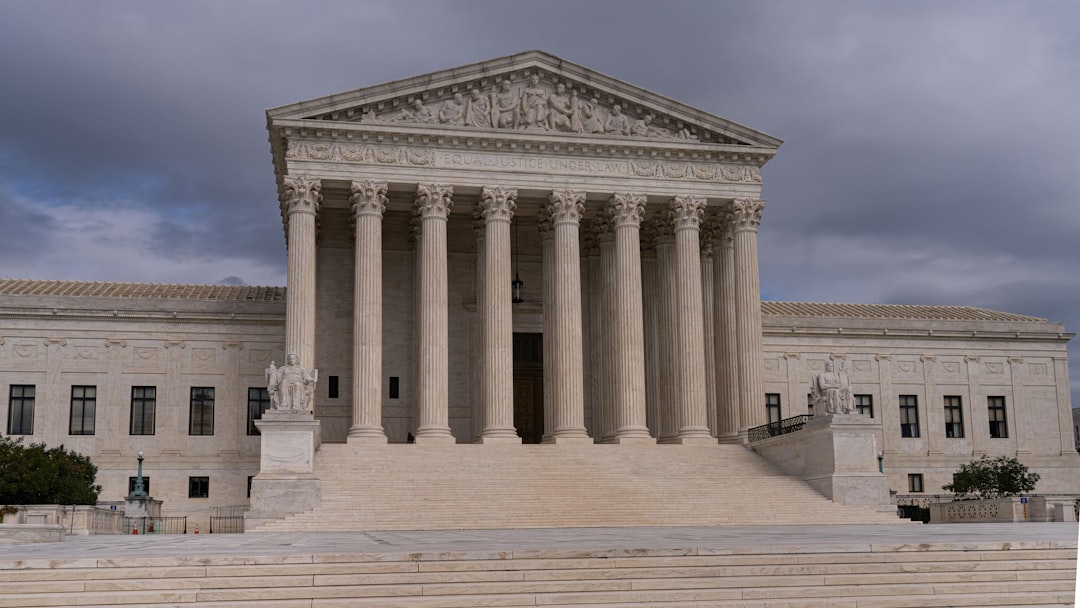
Despite multiple court victories for preservationists, Jobs persisted. In 2010, a court finally ruled in his favor, allowing him to tear down the house the following year. By early 2011, the mansion was reduced to rubble, ending a chapter in both architectural and Cupertino lore.
Legacy and Lessons
The demolition of the Jackling House left conservationists disheartened and critics reflective. It raised important questions that continue to resonate in urban planning and architectural circles to this day:
- Should historical buildings be preserved at all costs, even if they are privately owned?
- Where should we draw the line between progress and preservation?
- Can a future-oriented vision coexist with a respect for the past?
In many ways, the Jackling House became more than an old building—it evolved into a metaphor for the era it straddled. On one side stood the ornate elegance of early California prosperity; on the other, the innovative, pared-down ambitions of Silicon Valley leaders like Jobs.
What Replaced the Mansion?
After the dust settled—literally—Jobs commissioned the modern home he had always envisioned. Though Jobs passed away in 2011, the property continued to garner media attention. The new house is every bit the contrast to its predecessor: sleek materials, aggressive simplicity, and incorporation of environmental efficiencies.
Details about Jobs’ replacement residence remain closely guarded, as per his private nature. However, satellite images and limited public filings hint at a structure that’s roughly 4,000 square feet—about a quarter of the original Jackling House’s size.
A Place in Silicon Valley’s Complex History
Though now gone, the Jackling House remains etched in Californian lore. It exemplifies not only America’s rich architectural past but also the challenges of adapting historical legacies to modern sensibilities. The controversy brought national attention to local architecture, especially Spanish Colonial Revival homes, many of which have since been cataloged and protected.
Furthermore, Steve Jobs’ battle to demolish the mansion offers a personal lens into the oft-romanticized world of tech visionaries. It showed that even iconic leaders wrestle with choices that put them at odds with public sentiment. The Jackling House, in the end, was more than brick and mortar—it was a layered narrative about values, growth, and the human relationship with space and heritage.
Jackling House in Popular Culture
The mansion and the saga it sparked appeared in several journalistic pieces, documentaries, and books documenting Steve Jobs’ life. It has become a mini-case study in courses related to intellectual property, architectural preservation, and even ethics. The home was also featured in discussions about Apple’s headquarters design, often contrasting the minimalist Apple Park with the ornate design choices of the Jackling House.
Conclusion: A Structure of Many Stories
Although the Jackling House no longer stands today, its story continues to influence social, architectural, and cultural conversations in Silicon Valley and beyond. The debate between conserving historic buildings and embracing visionary change remains unresolved—highlighting the complexity of balancing the past with the future.
Like its once-owner, the Jackling House was controversial, captivating, and ultimately transformative. Whether mourned as a lost masterpiece or dismissed as an obsolete relic, its tale is a reminder that even buildings, like people, carry legacies long after they’re gone.

I’m Sophia, a front-end developer with a passion for JavaScript frameworks. I enjoy sharing tips and tricks for modern web development.