Search engines hold a goldmine of data. Rankings. Ads. Featured snippets. Local packs. Competitor moves. But collecting that data at scale is not easy. If you try to scrape Google or Bing without protection, you will hit walls fast. IP bans. CAPTCHAs. Blocks. That is where a SERP scraping proxy infrastructure comes in. It is the secret engine behind reliable search data collection.
TLDR: Scraping search engine result pages (SERPs) requires strong proxy infrastructure or your requests will get blocked. A good setup uses rotating IPs, smart request handling, and geo-targeting to look like real users. Residential and mobile proxies improve success rates. When designed well, a proxy system makes large-scale search data collection stable, fast, and accurate.
Let’s break it down in a fun and simple way.
What Is SERP Scraping?
SERP scraping means automatically collecting data from search engine result pages. That includes:
- Organic rankings
- Paid ads
- Featured snippets
- People also ask boxes
- Local map packs
- Shopping results
Businesses use this data for SEO tracking, competitor research, ad monitoring, and market analysis. Agencies rely on it. SaaS tools rely on it. Even large brands rely on it.
But search engines do not love bots. They are designed to detect unusual behavior. If your system sends too many requests from the same IP, it gets flagged.
And flagged usually means blocked.
Why You Cannot Scrape SERPs Without Proxies
Imagine walking into a store 10,000 times in one hour and asking the same question. You would get escorted out. Search engines react the same way.
Here is what happens without proxies:
- Your IP sends many rapid requests.
- The search engine detects automation signals.
- You receive CAPTCHAs.
- Then temporary bans.
- Then permanent blocks.
This makes your data incomplete. Or worse, totally broken.
Proxies solve this problem. They distribute your requests across many IP addresses. So instead of one loud visitor, you have thousands of quiet ones.
This is the foundation of reliable SERP scraping.
What Is a Proxy Infrastructure?
A proxy is an intermediary server. It sits between your scraper and the search engine. Instead of Google seeing your real server IP, it sees the proxy IP.
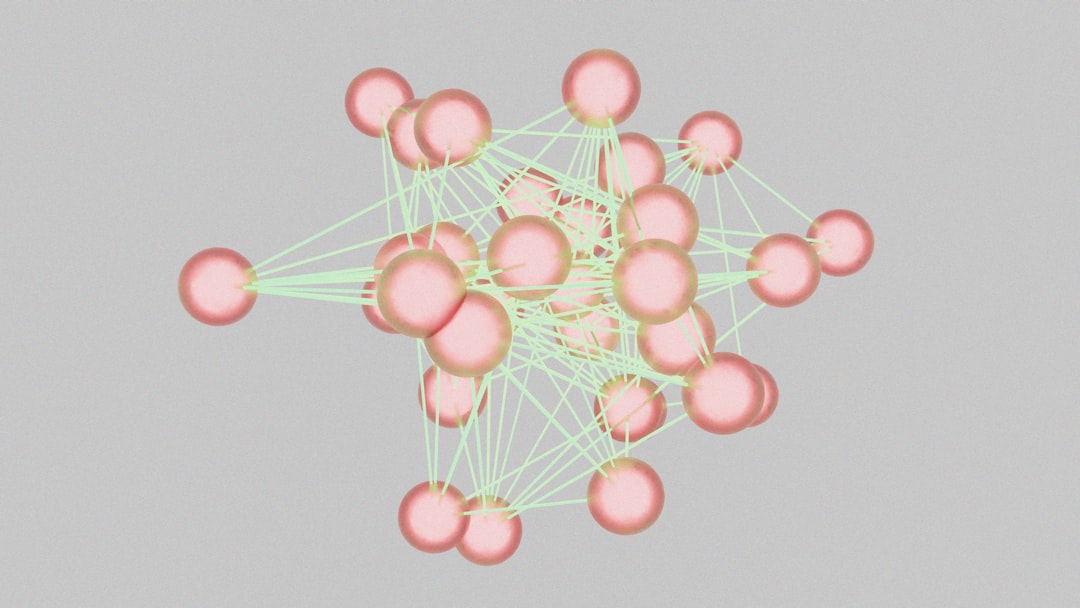
Proxy infrastructure is the system that manages thousands or even millions of these IP addresses. It decides:
- Which IP to use
- When to rotate it
- Which country it should appear from
- How long to keep the session alive
Think of it as air traffic control for your scraping requests.
Types of Proxies Used for SERP Scraping
Not all proxies are equal. Some are cheap and easy to detect. Others are powerful and harder to block.
1. Datacenter Proxies
These come from cloud hosting providers. They are fast. They are affordable. But they are easy to identify as non-residential traffic.
Pros:
- High speed
- Low cost
- Large IP pools
Cons:
- Higher block rates
- Less “human-looking”
2. Residential Proxies
These route traffic through real home devices. They look like normal users browsing the web.
Pros:
- Very hard to detect
- Better success rates
- Ideal for Google scraping
Cons:
- More expensive
- Slightly slower
3. Mobile Proxies
These use real mobile carrier IP addresses. Search engines trust them even more.
Pros:
- Extremely low block rates
- Shared carrier IP pools
Cons:
- High cost
- Lower concurrency
Quick Comparison Chart
| Proxy Type | Cost | Speed | Block Risk | Best For |
|---|---|---|---|---|
| Datacenter | Low | Very High | High | Light scraping, testing |
| Residential | Medium to High | Medium | Low | SEO tracking, ads monitoring |
| Mobile | High | Medium | Very Low | Sensitive, high scale scraping |
Core Pieces of SERP Proxy Infrastructure
Reliable systems have more than just a pile of IPs. They include smart engineering.
1. IP Rotation Engine
This automatically switches IPs between requests. It prevents patterns. Rotation can happen:
- On every request
- After X seconds
- After failed attempts
Smart rotation reduces detection.
2. Geo Targeting
Search results change by location. A user in New York sees different results than one in London.
Your infrastructure must allow:
- Country targeting
- City targeting
- Even ZIP code targeting
Without geo control, your ranking data is meaningless.

3. Session Management
Some scraping tasks require consistent sessions. For example, checking personalized ad results.
Session control allows:
- Sticky IP sessions
- Cookie persistence
- User agent rotation
This keeps behavior natural.
4. CAPTCHA Handling
No system is perfect. Even strong proxies hit CAPTCHAs sometimes.
Advanced infrastructures include:
- Automatic CAPTCHA solvers
- Fallback proxy switching
- Retry logic
This ensures continuity.
Request Strategy Matters Too
Proxies alone will not save you. Your scraper must behave like a human.
That means:
- Random delays between requests
- Organic search patterns
- Proper headers
- Realistic user agents
Sending 1,000 searches in one second screams “bot.”
Sending 1,000 searches spread across global IPs with varied timing feels normal.
Scaling SERP Data Collection
Let’s say you track 10 keywords. Easy.
Now imagine tracking:
- 50,000 keywords
- Across 10 countries
- Every day
That is 500,000 queries daily.
This requires:
- Massive IP pools
- Parallel request handling
- Queue management systems
- Failure monitoring
Most serious systems use cloud infrastructure. Auto scaling servers spin up when demand increases. They scale down when finished. This keeps costs efficient.
Common Mistakes in SERP Proxy Setup
Many beginners hit the same problems. Avoid these traps.
Using Only Datacenter Proxies
They seem cheap. But heavy scraping gets blocked fast.
Not Rotating User Agents
Even with rotating IPs, identical browser fingerprints raise suspicion.
Ignoring Localization Parameters
Google uses many signals. Language. Location. Device type. Miss these and data becomes inconsistent.
No Monitoring System
You must track:
- Success rate
- Block rate
- CAPTCHA frequency
- Response time
If success drops, you fix it fast.
Balancing Cost and Reliability
High quality residential proxies cost more. But failed requests also cost money. So does missing data.
Smart teams blend proxy types:
- Datacenter proxies for low value keywords
- Residential for high value keywords
- Mobile for toughest targets
This creates a cost-effective hybrid setup.
When to Build vs. When to Buy
You have two choices:
- Build your own proxy network
- Use a proxy provider
Building offers full control. But it requires:
- Server contracts
- IP management
- Anti abuse compliance
- 24/7 maintenance
Using providers is faster. They handle rotation, scaling, and infrastructure. Most companies choose this route.
Future of SERP Scraping Infrastructure
Search engines are getting smarter. They use AI to detect patterns. They measure behavior. They analyze fingerprint data.
This means scraping systems are evolving too.
Modern infrastructures now include:
- Headless browser clusters
- Full browser fingerprint simulation
- AI driven request pacing
- Adaptive IP quality scoring
The goal is simple. Blend in completely.
Final Thoughts
SERP scraping sounds simple. Just request a page, right?
In reality, it is a battle of detection and adaptation.
A strong SERP scraping proxy infrastructure includes:
- Diverse proxy types
- Smart IP rotation
- Geo targeting precision
- Session management
- Monitoring and scaling tools
When all parts work together, the result is stable search data. Clean rankings. Accurate ad tracking. Reliable competitive insight.
And that is the difference between a scraper that survives one day… and a system that runs for years.
Reliable data is power. Proxies are the shield that protects it.

I’m Sophia, a front-end developer with a passion for JavaScript frameworks. I enjoy sharing tips and tricks for modern web development.