In an age where digital ecosystems govern nearly every aspect of daily life, the modern home is no exception. Once considered luxury items, smart home appliances have swiftly become necessities in tech-savvy households. These intelligent devices not only offer unparalleled convenience but also set new standards for energy efficiency, security, and lifestyle optimization.
TLDR: The digital revolution has transformed homes into interconnected ecosystems. Devices such as smart refrigerators, robotic vacuums, and AI-powered thermostats have evolved from novelty items to indispensable tools for the modern household. Their ability to blend automation with efficiency makes them crucial for anyone navigating a fast-paced lifestyle. Tech-savvy homes rely on these advanced appliances to ensure comfort, functionality, and sustainability.
1. Smart Thermostats: Comfort with Intelligence
Maintaining a comfortable indoor climate is both a matter of comfort and energy management. Smart thermostats like the Google Nest or Ecobee have fundamentally changed how homeowners control heating and cooling. Unlike traditional thermostats, these devices learn your behavior over time, adjusting temperatures automatically to align with your schedule and preferences.
- Energy Efficiency: These units help reduce energy bills by adjusting usage at optimal times.
- Remote Access: Control your home’s climate from anywhere via smartphone apps.
- Integration: Pairs seamlessly with voice assistants like Alexa and Google Assistant.
What’s most impressive is their capability to utilize local weather data and integrate with other smart devices for a more holistic energy strategy. Homes with smart thermostats have reported energy savings of up to 23% annually, making them not just convenient but also eco-conscious investments.
2. Smart Refrigerators: The Kitchen Reimagined
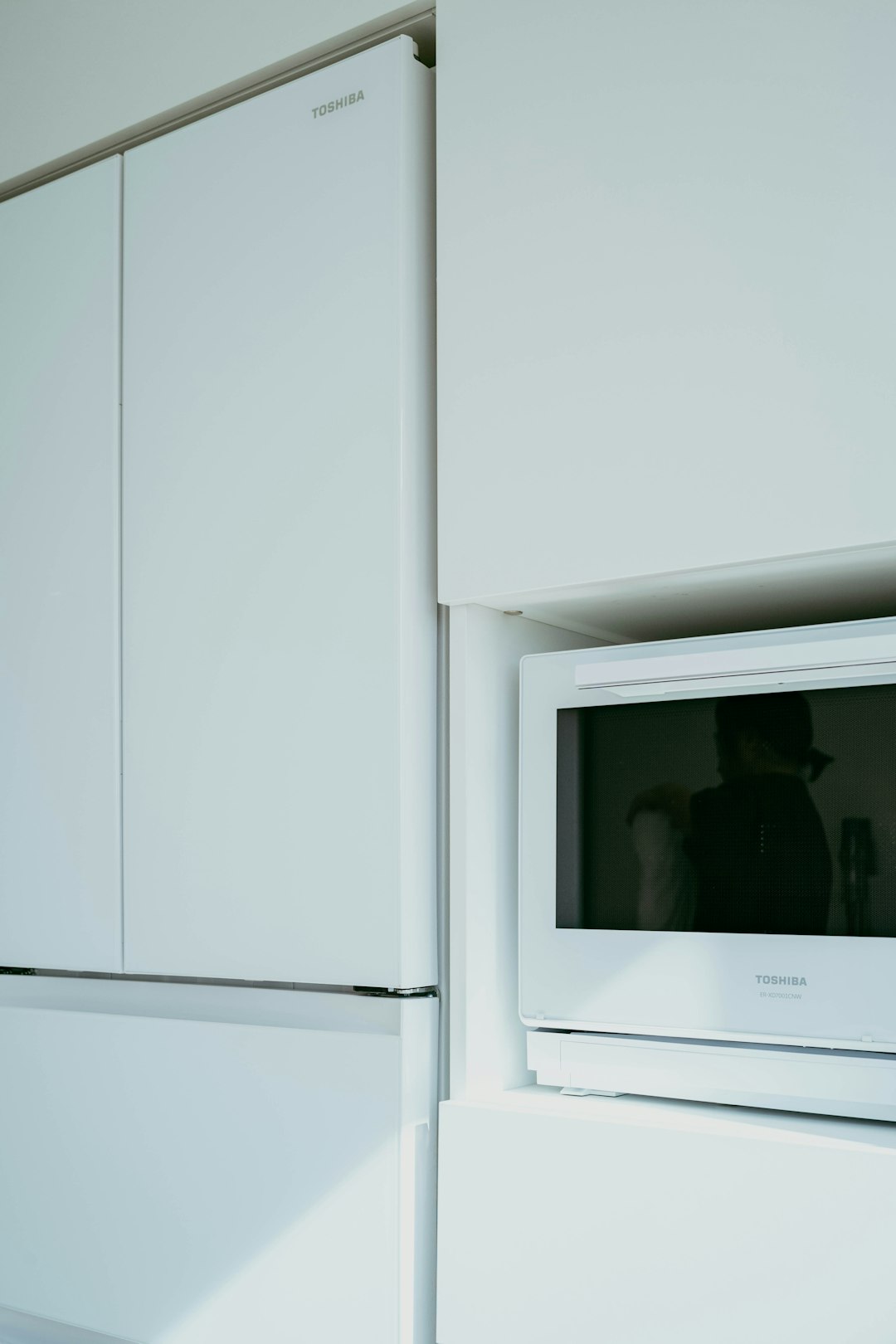
Today’s smart refrigerators do far more than keep food cold—they help manage inventory, plan meals, and even connect with grocery delivery services. Brands like Samsung and LG have led the way with models featuring built-in touchscreens, internal cameras, and Wi-Fi connectivity.
- Inventory Tracking: Cameras inside allow you to view contents remotely, ideal for grocery runs.
- Expiration Monitoring: Automated notifications remind you when food items are nearing expiration.
- Recipe Suggestions: Some models offer meal ideas based on what’s in the fridge.
These features go beyond novelty. For busy families, automated grocery lists and smart reminders reduce food waste and streamline cooking routines. Over time, this type of appliance can greatly influence better dietary habits and household budgeting.
3. Robotic Vacuums: The New Standard for Cleanliness
Manual vacuuming is becoming a chore of the past thanks to robotic vacuums like the iRobot Roomba and Roborock series. These compact, AI-enabled devices navigate your home using sensors and cameras to provide consistent cleaning with minimal human intervention.
- Scheduled Cleaning: Program them to clean at specific times or on specific days.
- Zone Cleaning: Target specific rooms or avoid restricted areas.
- Self-Charging: Automatically return to their dock when battery runs low.
Advanced models even empty themselves and use multi-floor mapping to adapt to complex layouts. For pet owners and busy professionals, robotic vacuums are invaluable. They keep the home tidy, reduce allergens, and save significant time every week.
4. Smart Lighting Systems: Tailored Ambiance and Efficiency
Lighting affects both mood and productivity, and smart lighting systems offer granular control over brightness, color temperature, and scheduling. Brands like Philips Hue and LIFX provide LED bulbs that can be programmed or adjusted via apps or voice commands.

- Custom Scenes: Set lighting moods for reading, watching movies, or hosting guests.
- Automation: Automatically turn lights on or off based on occupancy and time of day.
- Energy Savings: LED lights use up to 80% less energy than traditional bulbs.
Whether it’s waking up gently with sunrise simulation or ensuring lights are off when rooms are unoccupied, smart lighting makes day-to-day living more intuitive and energy-efficient.
5. Smart Security Systems: Peace of Mind Reinvented
Home security has evolved well beyond traditional alarm systems. Today’s smart security kits come equipped with motion sensors, video doorbells, facial recognition, and cloud-based video storage. Companies like Ring, Arlo, and SimpliSafe are leading this charge.
- Remote Surveillance: Monitor your home in real-time from anywhere.
- Smart Alerts: Receive push notifications for unusual activities or breaches.
- Integration: Sync with locks, lights, and voice assistants for a unified system.
These systems offer both deterrence and rapid response capabilities. In high-risk areas or for those frequently away from home, smart security is not just innovative—it’s essential.
6. Voice Assistants: The Digital Command Hub
Whether it’s Amazon Alexa, Google Assistant, or Apple’s Siri, voice assistants have become the digital center of smart homes. Their real value lies not just in answering questions, but in orchestrating a myriad of connected devices.
- Hands-Free Control: From adjusting thermostats to turning off lights, everything is one command away.
- Seamless Integrations: Compatible with thousands of smart home products.
- Personal Assistance: Manage calendars, set reminders, or order items online.
Over time, they adapt to your preferences, routines, and speech patterns to provide a more personalized user experience. For those with accessibility needs, voice assistants also make technology user-friendly and inclusive.
7. Smart Washing Machines and Dryers: Laundry, Upgraded
Never again wonder if it’s safe to leave a load in the washer or worry if your clothes will dry in time. Smart washers and dryers from brands like LG and Whirlpool offer remote control, alerts, and even custom fabric care settings.
- Cycle Notifications: Receive phone alerts when loads are done.
- Smart Diagnosis: Troubleshoot issues without a technician.
- Energy Monitoring: Keep tabs on power and water consumption.
They also integrate into broader smart ecosystems, allowing you to start a cycle with voice commands or ensure your washer only runs during non-peak hours. With predictive maintenance and longer appliance lifespans, the ROI is clear.
Conclusion
Living in a tech-savvy home means more than just embracing novelty—it’s about adopting a more efficient, safe, and comfortable lifestyle. From smart thermostats to robotic vacuums, these appliances are quickly becoming hard to live without. As technology continues to evolve, we can expect even more intuitive and interconnected solutions designed to make daily life smoother and more sustainable.
As a consumer, staying informed and choosing the right smart appliances for your unique lifestyle can unlock unprecedented convenience and efficiency. In a world where time is more valuable than ever, these devices are not just helpful—they’re indispensable.

I’m Sophia, a front-end developer with a passion for JavaScript frameworks. I enjoy sharing tips and tricks for modern web development.