Modern websites are expected to load instantly, perform smoothly across devices, and remain stable under fluctuating network conditions. Yet as digital products grow in complexity, performance often degrades gradually—an additional script here, a larger image there—until users begin to notice slowdowns. Web performance budget platforms such as Calibre address this challenge by giving teams a structured, measurable way to track, enforce, and optimize performance metrics before issues become costly. They transform performance from an afterthought into a managed, accountable engineering discipline.
TL;DR: Web performance budget platforms like Calibre help teams define measurable limits for page size, load times, and performance metrics to prevent gradual site slowdowns. By automatically monitoring metrics such as Core Web Vitals, they alert teams when budgets are exceeded and provide actionable insights for remediation. These tools integrate into development workflows, ensuring performance is treated as a continuous priority rather than a one-time optimization effort. The result is faster, more reliable websites that protect both user experience and business outcomes.
What Is a Web Performance Budget?
A performance budget is a predefined limit on specific aspects of a web page that affect speed and responsiveness. These limits may include:
- Page weight (total kilobytes or megabytes loaded)
- JavaScript execution time
- Number of HTTP requests
- Largest Contentful Paint (LCP)
- Cumulative Layout Shift (CLS)
- Time to First Byte (TTFB)
Rather than relying on vague goals such as “make the site faster,” performance budgets set precise thresholds. For example, a team may decide that their homepage JavaScript must not exceed 170 KB compressed, or that LCP must stay under 2.5 seconds for mobile users on a simulated 4G network.
This approach creates accountability. Just as financial budgets prevent overspending, performance budgets prevent “performance inflation” as features accumulate.
Why Performance Budget Platforms Are Necessary
Managing these metrics manually is impractical for modern applications. A single deployment may alter hundreds of dependencies or assets. Without automation, identifying the cause of a performance regression can take hours—or days.
Platforms like Calibre provide:
- Continuous monitoring across environments
- Automated regression detection
- Historical trend analysis
- Team-based reporting and alerts
- Integration with CI/CD pipelines
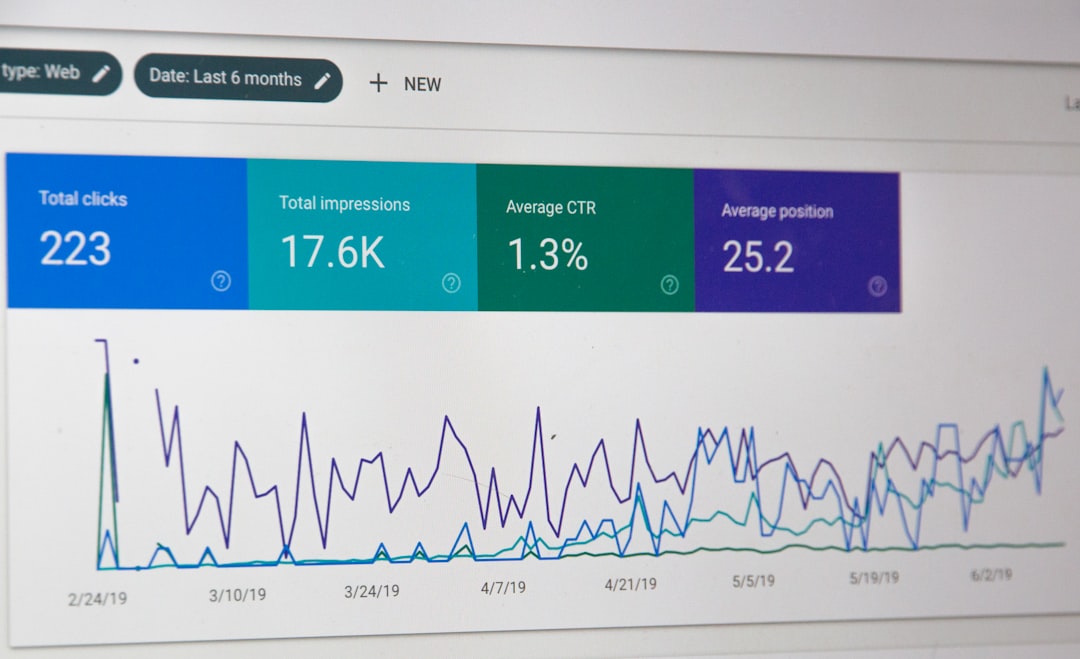
Instead of discovering slowdowns after user complaints, teams receive proactive notifications when metrics exceed defined budgets. This shifts performance management from reactive to preventative.
Core Metrics Tracked by Platforms Like Calibre
Performance budget tools typically focus on both technical and user-centric indicators.
1. Core Web Vitals
Google’s Core Web Vitals have become industry-standard benchmarks for user experience. They include:
- LCP (Largest Contentful Paint): Measures loading performance.
- CLS (Cumulative Layout Shift): Measures visual stability.
- INP (Interaction to Next Paint): Measures responsiveness.
Budget platforms consistently test these metrics under standardized network and device conditions to provide reliable comparisons across releases.
2. Page Weight and Asset Breakdown
A performance platform examines total page size and breaks it down by asset type:
- Images
- JavaScript bundles
- CSS files
- Fonts
- Third-party scripts
This visibility helps teams pinpoint which assets are driving performance regressions.
3. Network and Server Metrics
Advanced platforms also measure backend factors, including:
- Time to First Byte (TTFB)
- Latency under various network conditions
- Error rates during load
By combining frontend and backend metrics, organizations gain a comprehensive view of performance.
How Budget Enforcement Improves Development Workflows
The true value of performance budget tools lies in their ability to integrate with development pipelines.

For example, when integrated with CI/CD systems, Calibre can automatically test performance metrics for every pull request. If a proposed change causes page weight or LCP to exceed defined thresholds, the system flags or fails the build.
This creates several operational benefits:
- Early detection: Issues are caught before deployment.
- Shared responsibility: Developers see performance impact directly.
- Faster remediation: Regression sources are identified immediately.
- Reduced firefighting: Teams avoid emergency fixes post-launch.
Performance becomes embedded into quality assurance, much like automated testing and linting.
Business Impact of Performance Budgeting
Performance is not purely a technical concern—it directly influences revenue, engagement, and retention.
Research consistently shows that even small delays in load time can:
- Increase bounce rates
- Reduce conversion rates
- Lower customer satisfaction
- Decrease search engine visibility
By maintaining strict performance budgets, companies protect their digital revenue streams. An e-commerce platform, for example, may discover that maintaining sub-2-second load times correlates with higher transaction completion rates. Budget tracking tools ensure that new marketing scripts or feature expansions do not silently erode these gains.
Moreover, with search engines factoring Core Web Vitals into ranking signals, adhering to performance thresholds can help preserve organic visibility.
Setting Effective Performance Budgets
The success of tools like Calibre depends on realistic and meaningful goal setting. Effective performance budgets should:
- Reflect user conditions (e.g., mid-tier mobile devices)
- Be aligned with business goals
- Account for future growth
- Remain measurable and enforceable
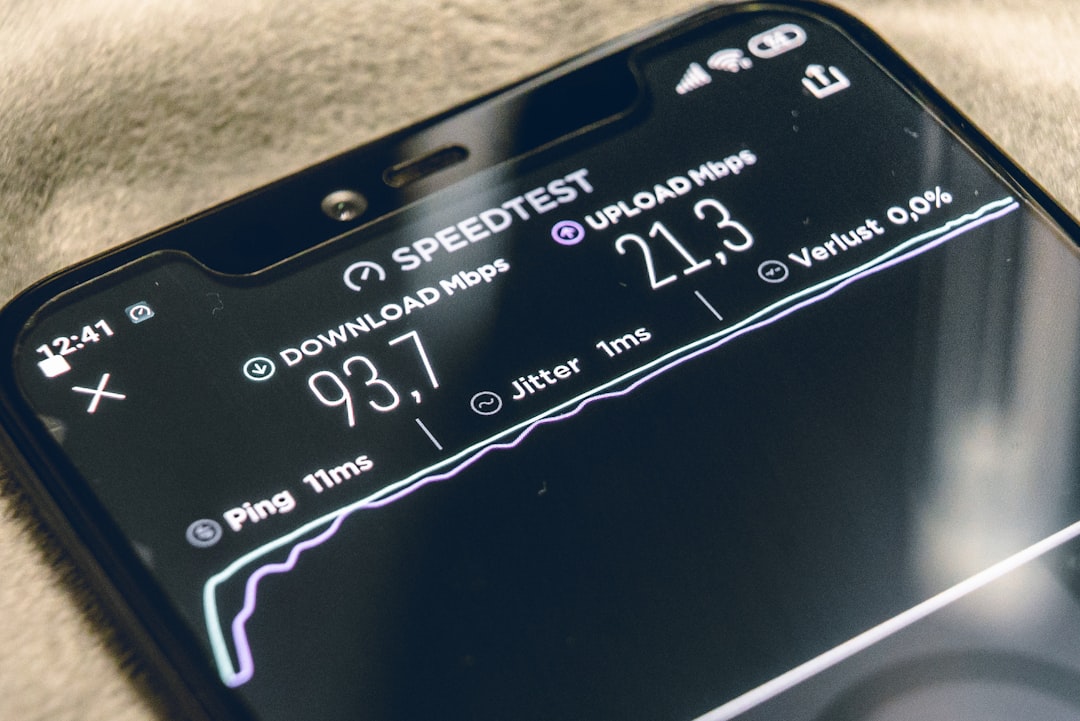
For example, if analytics indicate that 70% of users access a website via mobile networks, budgets should prioritize mobile performance conditions rather than high-speed desktop testing.
It is also important to distinguish between:
- Hard budgets: Strict limits that cause build failures.
- Soft budgets: Warning thresholds that trigger investigation.
A gradual tightening strategy—where budgets become more ambitious over time—often leads to sustainable improvements without disrupting development velocity.
Avoiding Common Pitfalls
Despite their advantages, performance budget platforms require careful implementation to deliver maximal value.
Overly Aggressive Budgets
Setting unrealistic thresholds can cause repeated alert fatigue. Teams may begin ignoring warnings entirely, undermining the system’s purpose.
Ignoring Third-Party Scripts
Marketing tags, analytics scripts, and A/B testing tools can significantly affect load times. Performance budgets must include governance for third-party resources.
One-Time Configuration
Budgets are not static. As technology evolves and user expectations rise, performance targets should be reassessed regularly.
Organizational Benefits Beyond Engineering
Web performance budget platforms create transparency across multiple departments:
- Product managers gain clarity on trade-offs between new features and speed.
- Marketing teams understand the performance cost of scripts and tracking tools.
- Executives receive measurable indicators tied to business metrics.
This cross-functional visibility reduces siloed decision-making. Discussions about adding new features become data-driven rather than subjective.
The Strategic Value of Historical Data
One often overlooked advantage of platforms like Calibre is longitudinal performance tracking. By storing historical test results, organizations can:
- Identify long-term trends
- Correlate performance shifts with code changes
- Benchmark against competitors
- Measure the ROI of optimization projects
Over months or years, this data becomes strategically valuable. It supports capacity planning and informs broader digital transformation initiatives.
The Future of Performance Budget Platforms
As web technologies advance, performance measurement will likely become even more granular. Emerging trends include:
- Real User Monitoring (RUM) integration
- AI-assisted anomaly detection
- Automated optimization recommendations
- Sustainability metrics (energy and carbon impact analysis)
Platforms that combine lab testing with real-world usage data will provide increasingly nuanced insights. In time, performance budgets may expand beyond speed alone to encompass resilience and environmental efficiency.
Conclusion
Web performance budget platforms like Calibre represent a mature, systematic approach to safeguarding digital experience quality. By defining measurable limits, automating regression detection, and embedding checks into development workflows, these tools convert performance into a continuously managed metric rather than an intermittent project goal.
In a competitive digital environment where milliseconds can influence engagement and revenue, disciplined performance governance is a strategic asset. Organizations that adopt structured budget tracking not only improve load times—they enhance reliability, protect brand perception, and create a culture where efficiency is engineered into every release.
Ultimately, performance budgets are not about restriction; they are about sustainability. With the right platform and disciplined oversight, teams can innovate confidently, knowing that speed and stability remain foundational priorities.

I’m Sophia, a front-end developer with a passion for JavaScript frameworks. I enjoy sharing tips and tricks for modern web development.