Running a bakery today is very different from how it was ten years ago, or even five. What once could be handled with a basic cash register, handwritten production notes, and a strong memory has slowly become more complicated. Regulations are stricter, customers expect more, finding staff is harder, and margins are tighter than before. At the same time, many bakeries are expanding. They add products, stay open longer, introduce delivery, or open additional locations.
In this situation, the point of sale system quietly turns into one of the most important parts of the operation. Still, many bakery owners only really think about their POS when issues start stacking up. Sales slow down during rush hours, stock figures stop making sense, allergen documentation feels unsafe, or employees spend more time asking questions than serving customers. Growth stops feeling like progress and starts to feel unstable.
This is usually when bakery owners begin looking at other systems. Not because it was planned, but because the current setup no longer works. Decisions made in these moments are often driven by visible features or pricing instead of asking whether a system actually supports daily bakery work. A more structured comparison, based on real workflows and long-term needs, helps avoid expensive mistakes and constant system changes.
What “POS System” Really Means in a Bakery Context
In many retail businesses, a POS system is still seen mainly as a checkout tool. Scan items, take payment, print a receipt. In a bakery, that view falls short. The point of sale sits where sales, production, inventory, and compliance meet. What happens at the counter has direct consequences for what happens in the bakery, in storage, and in delivery.
Each sale reduces stock, influences the next day’s production, affects purchasing decisions, and must be documented correctly for pricing, allergens, and nutritional values. When these links are not managed within one system, staff fill the gaps manually. Notes are written, spreadsheets updated, calls made, and decisions based on experience and guesswork. This works for a while, until volume increases or key people leave.
Generic retail POS systems often struggle here. They are built around standardized products, simple inventory rules, and predictable sales. Bakeries deal with fresh goods, daily production cycles, recipe-based batches, varying yields, and short shelf lives. Treating a loaf of bread like a packaged retail product almost always leads to friction and errors.
Seeing the POS as an operational backbone rather than just a checkout screen is the first step toward a meaningful comparison.
Core Operational Jobs a Bakery POS Must Support
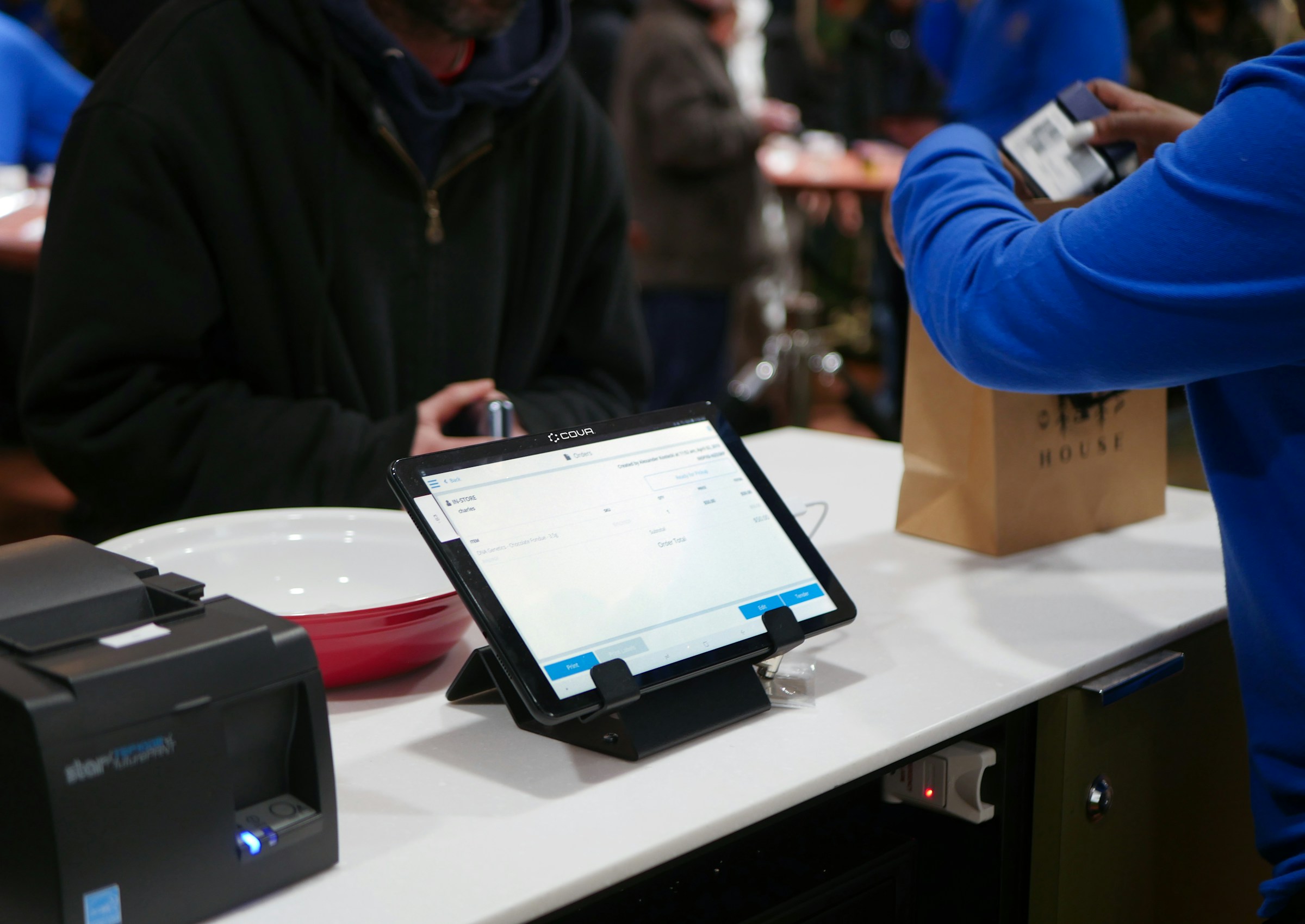
A bakery POS system has to support several core operational jobs that depend on each other. When one breaks down, the others usually follow.
Sales need to be fast, accurate, and legally compliant. During peak times, even small delays at the counter turn into queues, stress, and lost revenue. Prices must be correct, discounts applied properly, and payments processed reliably. At the same time, legal requirements around receipts, taxes, and documentation cannot slow staff down.
Production depends on reliable sales and planning data. Recipes have to be followed consistently, batches tracked correctly, and quantities adjusted to demand. When production teams work with outdated or incomplete information, waste grows and quality suffers. Batch control is not only about efficiency; it is also about traceability and food safety.
Inventory, goods flow, and delivery coordination form another layer. Ingredients must be available when needed, finished products have to reach the right locations, and shortages or overproduction need to be visible early. Without system support, these processes rely heavily on individual knowledge and constant manual coordination, which becomes fragile as the business grows.
Price lists, allergen information, and nutritional values also have to be documented correctly. Errors here carry legal and reputational risks. When this information is managed separately from sales and production, inconsistencies are hard to avoid. A POS that integrates documentation into daily workflows lowers both risk and effort.
When these operational jobs are not properly supported, bakeries see more mistakes, rising stress, and less control over the business.
Typical Pain Points That Trigger a POS System Change
Most bakeries do not replace their POS because they enjoy software projects. They do it because daily work starts to feel heavier than it should. The warning signs usually appear slowly.
Tools become scattered. Sales data sits in one system, production plans in another, inventory in spreadsheets, and allergen lists in folders on the shelf. Keeping everything aligned takes constant manual effort, and small inconsistencies build up quietly until they cause real trouble.
Errors become more frequent. Wrong prices at the counter, missing ingredients in production, incorrect labels, or incomplete delivery lists happen more often. Staff spend time fixing issues instead of preventing them. Trust in the numbers fades, leading to extra checks and even more work.
Stress increases. Managers feel they are reacting all day instead of planning. Staff questions interrupt constantly. Growth plans are delayed because the operational base feels shaky. Even routine tasks start to feel risky.
At this point, many bakery owners realize the current POS setup no longer fits. The challenge is solving the underlying problems, not just swapping one set of issues for another.
How to Approach a Serious POS Comparison
When bakery owners start looking for alternatives, they often begin with a broad market overview. A structured kassensysteme vergleich can help with initial orientation, showing which types of systems exist, how they are positioned, and which ones might be relevant for bakery operations. That is a sensible first step, but it should not be the final one.
Feature lists and price tables say little about how a system performs in daily work. A long list of functions does not show how well those functions work together under pressure. A lower monthly price can hide higher costs in training, support, or manual workarounds.
A serious comparison starts with workflows, not with software. Understanding how sales, production, inventory, and compliance interact in your own bakery makes it possible to judge systems based on how well they support real work. Only then do features and pricing become useful reference points instead of driving the decision.
Key Evaluation Criteria Beyond Features and Price
One critical factor is end-to-end process coverage. Does the system support the full flow from production planning to sales and reporting, or does it handle isolated tasks? Gaps between systems are where stress and errors tend to grow.
Data consistency across departments matters just as much. When sales data automatically feeds production planning and inventory updates, everyone works from the same picture. When data is moved manually, inconsistencies appear. Over time, staff stop trusting the numbers and rely more on intuition.
Error prevention built into system logic deserves attention. Well-designed systems make mistakes harder to commit. Clear workflows, sensible defaults, and basic checks reduce dependence on individual attention. This is especially important when teams have mixed experience or high staff turnover.
Usability has to work for the whole team, not only for management. A system that planners like but sales staff struggle with creates friction at the counter. On the other hand, a system built only for fast checkout may ignore production and documentation needs. Balanced usability supports calmer operations.
Support under real pressure often decides long-term satisfaction. When issues appear during busy mornings or before early production runs, fast and knowledgeable help matters more than polished interfaces or extensive manuals.
Single Bakery vs. Multi-Location Operations
System requirements change noticeably once a bakery runs more than one location. Even bakeries that plan to stay single-site should think about this, since growth often comes unexpectedly.
With multiple locations, centralized control becomes more important. Management needs consistent data from all sites to plan production, purchasing, and staffing. At the same time, local teams need enough flexibility to handle daily realities. Systems that enforce rigid processes without room for local adjustment tend to create frustration.
Reporting and transparency also become more relevant. Comparing locations, spotting best practices, and identifying issues early requires reliable, comparable data. Without system support, this depends on manual reports and interpretation.
Scalability is not only about adding more users. It is about keeping clarity as complexity grows. A system that works well for one bakery but becomes confusing at three or five locations creates limits that are hard to overcome later.
Must-Have vs. Nice-to-Have Capabilities
Not every function matters equally at the beginning. Separating essentials from enhancements keeps comparisons grounded.
Core capabilities usually include stable sales processing, dependable production planning, integrated inventory handling, and compliant documentation. Without these basics, daily operations suffer no matter how many extra features are available.
Functions that become valuable later include deeper analytics, automated forecasts, and broader integrations. These can add real value, but only once the operational foundation is solid.
Adding too much complexity too early often backfires. Systems filled with rarely used functions tend to confuse staff and slow work down. Growth is better supported step by step, not through heavy upfront configuration.
Data as a Stress-Reduction Tool, Not Just Reporting
Data is often discussed in terms of reporting and control, but its most immediate benefit is reducing uncertainty. When managers can see sales, stock levels, and production status in real time, decisions feel calmer and more confident.
Good systems present information in a way that supports action. Instead of overwhelming users with dashboards, they draw attention to what needs action. This shift from constant firefighting to planned work changes how running a bakery feels.
When data is reliable and easy to access, teams argue less about numbers and focus more on improving processes. Over time, stress decreases and clarity becomes part of daily work.
Emotional and Social Dimensions of POS Decisions
Although POS choices are often treated as technical decisions, they carry emotional and social weight. For owners and managers, a dependable system creates a sense of control. Knowing that operations are supported, rather than held together by improvisation, frees up attention for people and strategy.
Staff feel the difference immediately. Clear workflows reduce conflicts, mistakes, and blame. Employees feel more confident and supported, which helps with retention and performance.
Externally, an organized operation looks professional. Customers notice smooth service and accurate information. Inspectors and partners sense reliability. These impressions matter, even if they are rarely spoken out loud.
Why Many POS Systems Get Rejected After Testing
It is common for bakeries to test systems with high expectations and then walk away. Certain patterns appear again and again.
Some systems rely on too many separate interfaces. Constant switching interrupts work and increases training effort. In practice, staff fall back on familiar tools or shortcuts.
Others lack bakery-specific logic. Handling recipes, batches, or fresh goods requires heavy customization. Over time, these workarounds become fragile and hard to maintain.
Many systems perform well in demos but struggle in real peak situations. What looks smooth in a quiet test setting can fall apart during a busy morning.
Support quality often only becomes clear after implementation. When help is slow or generic, confidence in the system fades quickly.
Bakery-Specific Software as an Operational Category
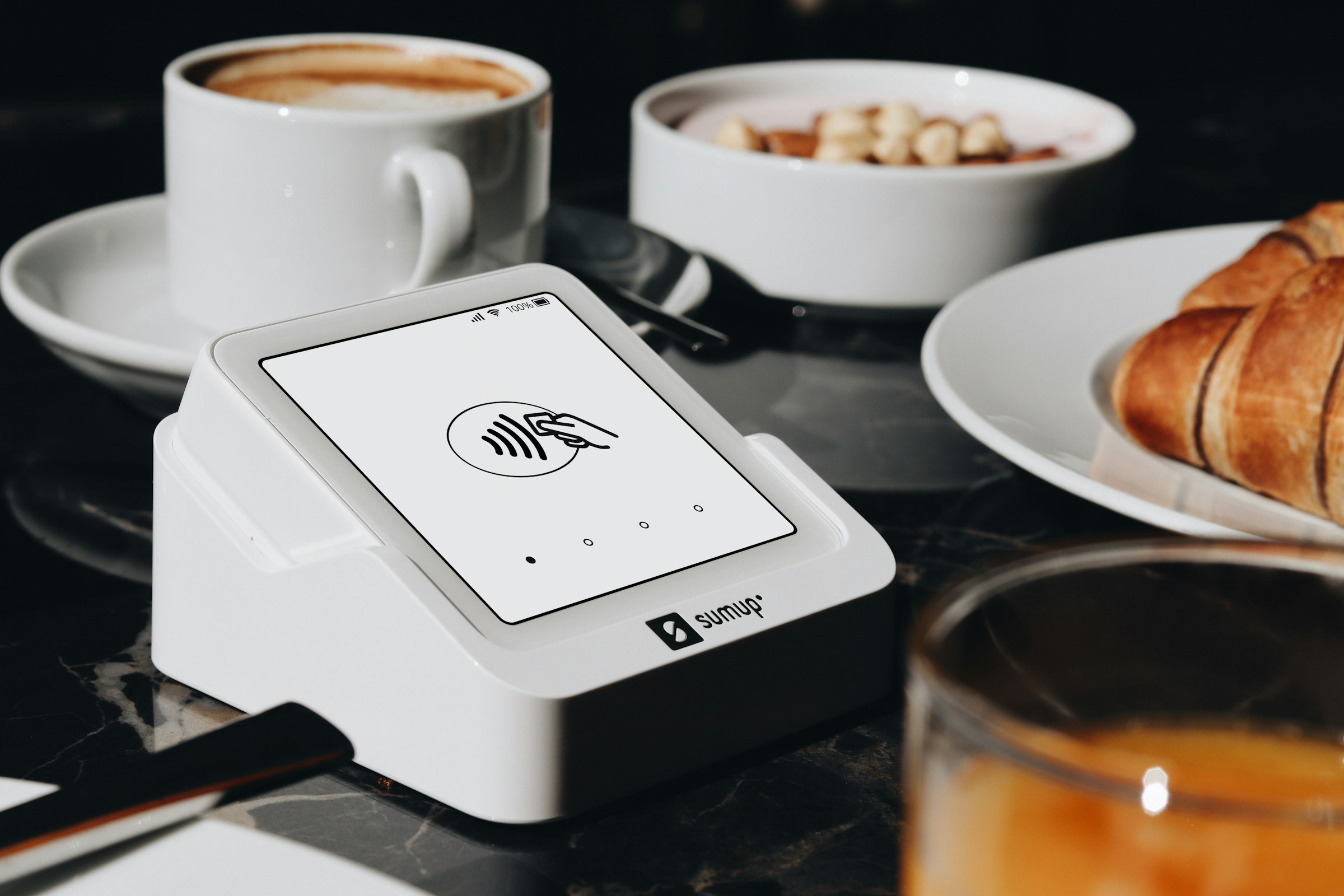
In the German bakery sector, the term “bäckerei software” is commonly used for integrated systems built specifically for bakery operations. This category goes beyond generic POS tools by treating production, inventory, logistics, and compliance as connected processes.
These systems usually try to reflect real bakery workflows instead of forcing bakeries into retail-focused structures. Recipe management, batch tracking, and coordinated planning across locations are often part of this approach.
The main difference is not the number of features, but how deeply bakery operations are built into the system itself. Solutions focused on this category tend to reduce workarounds and manual coordination, which becomes more important as operations grow.
How to Read POS Comparisons Critically
Comparisons are useful, but they need careful reading. Feature matrices can hide important differences in quality and integration. Two systems may list the same functions but deliver very different results in practice.
Demos usually show ideal conditions. Watching how a system behaves during peak sales, production changes, or staff shortages gives a clearer picture than polished presentations.
Bakery owners should also ask internal questions. How does this system support our daily workflows? Which problems does it actually reduce? Where might it create new dependencies? What happens when something goes wrong?
Evaluating systems through real operational scenarios helps align expectations with reality and lowers the risk of disappointment.
Conclusion: POS Selection as a Long-Term Operational Decision
Choosing a POS system for a bakery is not a short-term purchase. It is a decision about operational infrastructure that affects daily work, growth options, and stress levels for years.
Focusing on real jobs instead of surface features leads to better results. Stability, clarity, and the ability to scale matter more than novelty or the lowest price.
A calm, thoughtful decision process respects the complexity of bakery operations and the people running them. When the system supports work instead of complicating it, technology becomes a quiet partner rather than a constant source of concern.

I’m Isabella Garcia, a WordPress developer and plugin expert. Helping others build powerful websites using WordPress tools and plugins is my specialty.