Accessing your project management platform quickly and securely is essential for maintaining productivity and protecting sensitive business data. Wrike, a widely used collaborative work management system, provides multiple secure login methods designed for teams of all sizes. Whether you are a first-time user or an experienced administrator, understanding the correct login process and security measures ensures seamless access without compromising your organization’s information.
TLDR: Logging into Wrike is simple when you follow the correct steps and use secure authentication methods. Always access Wrike through the official website or verified apps, enable two-factor authentication, and use single sign-on if provided by your organization. If you encounter issues, password recovery and admin support options are available. Prioritizing secure login practices protects both your account and your company’s data.
Understanding the Wrike Login Process
Wrike offers several methods to log in, depending on how your organization manages access. The most common login methods include:
- Email and password login
- Single Sign-On (SSO)
- Google, Microsoft, or Apple account login
- Enterprise-level authentication via SAML
Choosing the appropriate method depends on your organization’s security policy. Many companies configure SSO to centralize authentication and maintain tighter control over user access.
Step-by-Step Guide to Logging into Wrike
1. Access the Official Website
To avoid phishing attempts or fraudulent portals, always navigate directly to the official Wrike website. You can do this by typing the URL manually into your browser’s address bar or accessing it from a trusted bookmark.
Important: Confirm that the website uses HTTPS encryption. Look for the secure padlock icon in your browser before entering any credentials.
2. Click “Log In”
Once on the homepage, locate the Log In button, typically displayed in the upper-right corner. Clicking it will redirect you to the secure authentication page.
3. Enter Your Credentials
If logging in with email and password:
- Enter your registered email address.
- Enter your password carefully, ensuring correct capitalization.
- Click Log In.
If your organization uses SSO:
- Click the Log in with SSO option.
- Enter your company email address.
- You will be redirected to your organization’s authentication provider.
4. Complete Two-Factor Authentication (If Enabled)
For enhanced security, Wrike may prompt you to verify your identity through:
- A one-time verification code sent via SMS
- An authentication app
- Email verification
- Hardware security key
Enter the code promptly to complete your login process.
Logging in Through the Mobile App
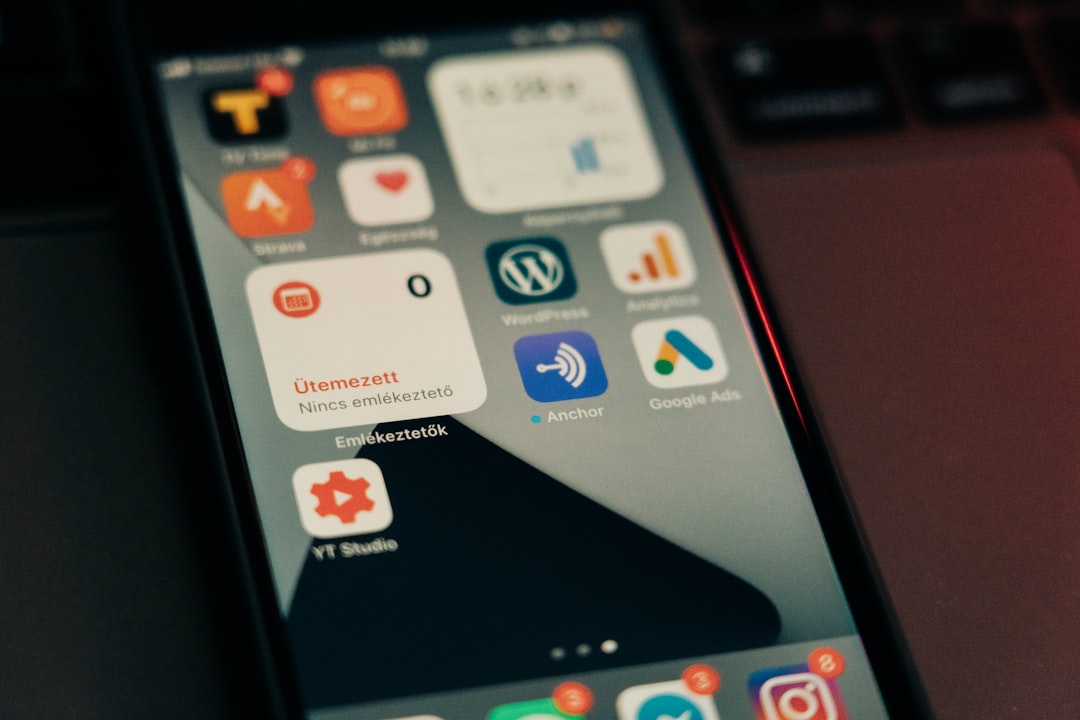
Wrike offers mobile applications for both iOS and Android. The login process mirrors the desktop experience but is optimized for mobile accessibility.
To log in via mobile:
- Download the official Wrike app from your device’s app store.
- Open the app and select Log In.
- Enter your email and password or select SSO.
- Complete any required authentication verification.
For security reasons, avoid logging in on public Wi-Fi networks unless using a trusted Virtual Private Network (VPN).
Common Login Issues and How to Resolve Them
Even with a streamlined authentication system, users may occasionally encounter login difficulties. The following are the most common issues and solutions:
Forgotten Password
- Click the Forgot Password? link on the login page.
- Enter your registered email address.
- Check your inbox for a password reset link.
- Create a strong, new password.
Choose a password that is unique and contains a mix of upper-case letters, lower-case letters, numbers, and symbols.
Account Locked
Multiple failed login attempts may temporarily lock your account. Wait for the lockout period to expire or contact your organization’s Wrike administrator.
SSO Errors
SSO problems usually stem from:
- Incorrect company credentials
- Expired enterprise passwords
- Misconfigured identity provider settings
In such cases, contact your IT department for assistance.
Best Practices for Secure Account Access
Maintaining account security requires consistent vigilance. Wrike incorporates strong encryption protocols, but user behavior plays a critical role in safeguarding data.

1. Enable Two-Factor Authentication
Two-factor authentication (2FA) significantly reduces the risk of unauthorized access. Even if your password is compromised, attackers cannot log in without the second verification factor.
2. Use a Password Manager
Password managers generate and store complex passwords securely. This helps prevent password reuse across platforms, which is a common security vulnerability.
3. Avoid Public Devices
Logging in from shared or public computers increases risk. If unavoidable:
- Use incognito or private browsing mode.
- Log out completely after your session.
- Do not allow the browser to save login credentials.
4. Monitor Account Activity
Enterprise administrators should regularly review user activity logs for suspicious login attempts, unfamiliar IP addresses, or unexpected changes in access permissions.
Wrike Access for Enterprise Organizations
Large organizations often integrate Wrike with centralized identity providers such as Azure Active Directory or other SAML-based systems. This configuration offers:
- Centralized credential management
- Automated provisioning and de-provisioning
- Stronger compliance controls
- Improved audit tracking
For enterprises, proper configuration of login policies is crucial. Administrators should enforce:
- Mandatory two-factor authentication
- Password complexity requirements
- Session time-out policies
- IP access limitations if necessary
Quick Comparison of Wrike Login Methods
| Login Method | Best For | Security Level | Ease of Use |
|---|---|---|---|
| Email and Password | Individual users, small teams | Moderate (High with 2FA) | High |
| Single Sign-On | Medium to large organizations | Very High | Very High |
| Google or Microsoft Login | Users with integrated accounts | High | Very High |
| SAML Enterprise Login | Large enterprises with IT oversight | Enterprise Grade | High |
This comparison illustrates that SSO and SAML-based logins typically offer the most robust security, especially when managed by dedicated IT teams.
Tips for Faster Login Without Compromising Security
Efficiency and security should never be mutually exclusive. Follow these guidelines for streamlined access:
- Bookmark the official Wrike login page to avoid mistyped URLs.
- Enable biometric authentication on mobile devices.
- Keep your browser updated to support the latest encryption protocols.
- Regularly update your password if not using SSO.
Balancing convenience with protection ensures that login delays do not interfere with daily operations.
When to Contact Wrike Support
If you experience persistent login problems that internal troubleshooting cannot resolve, contact Wrike’s customer support team. Prepare the following information before submitting a request:
- Your registered email address
- Description of the issue
- Screenshots of error messages (if applicable)
- Device and browser details
Providing detailed information helps accelerate resolution.
Conclusion
Accessing your Wrike account quickly and securely requires more than simply entering credentials. It demands attention to cybersecurity best practices, responsible password management, and awareness of your organization’s authentication policies. Whether you log in through email and password, SSO, or enterprise SAML integration, following structured procedures ensures safe and uninterrupted access.
In today’s collaborative work environments, secure authentication is not optional—it is foundational. By implementing two-factor authentication, using trusted devices, and adhering to corporate IT policies, you strengthen both personal and organizational defenses. A disciplined approach to Wrike login procedures ultimately safeguards productivity, sensitive projects, and long-term business continuity.

I’m Sophia, a front-end developer with a passion for JavaScript frameworks. I enjoy sharing tips and tricks for modern web development.